
Hidden Costs of Solar Panel Installation 2026: What to Expect
Uncover the hidden costs of solar panel installation 2026, from roof repairs to utility fees. Call 8332123715 to find trusted local installers and avoid surprise bills.
By Scott Thompson
Learn more about Solar Panel Installation and Repair for guides, costs, and what to expect.
Compare Solar Panel Installation and Repair Pros Near You
Enter your ZIP code to compare top-rated local professionals and request free quotes.
You have probably seen the glossy advertisements: zero down, instant savings, and a solar system that pays for itself. The reality of going solar in 2026 is still overwhelmingly positive, but the road to energy independence is rarely as seamless as the sales pitch suggests. While the upfront price of solar panels has continued to drop, a significant number of homeowners are surprised by expenses that appear after they sign the contract. Understanding the hidden costs of solar panel installation 2026 is not about finding reasons to avoid solar; it is about arming yourself with the knowledge to negotiate a fair deal and budget for the full lifecycle of your system.
These unexpected expenses can range from structural upgrades required by local building codes to ongoing maintenance fees that are often glossed over during the initial consultation. If you are planning to switch to renewable energy this year, you need a clear-eyed view of the financial landscape. By identifying these potential pitfalls early, you can distinguish between a high-quality installation and a bargain that will cost you more in the long run.
Structural Upgrades and Roofing Requirements
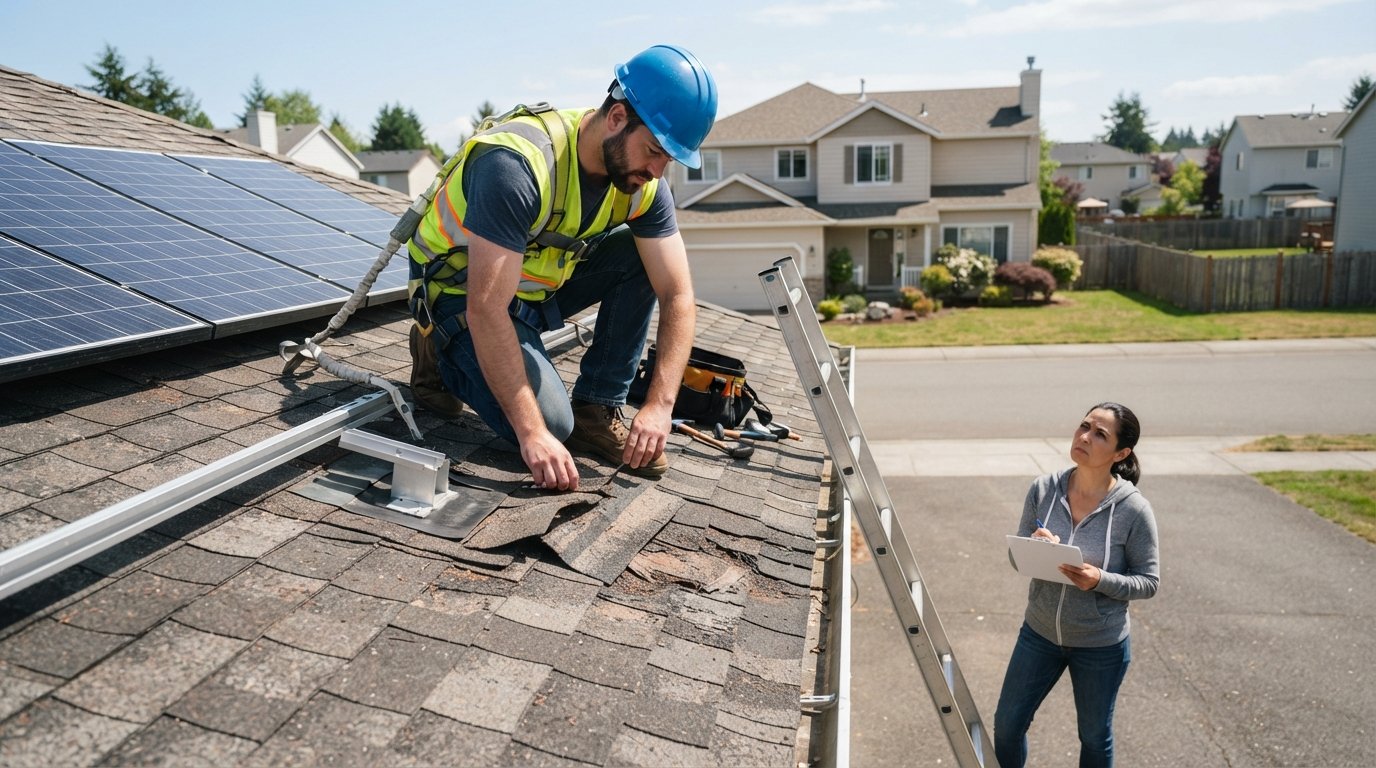
The most common hidden cost associated with solar installation is not the solar equipment itself, but the structure that supports it. Solar panels act as a shield for your roof, but they also add weight and require precise mounting points. If your roof is older or structurally compromised, you cannot simply lay panels on top of it. Most reputable installers will require a structural assessment before they agree to a project.
In 2026, building codes in many states have tightened regarding roof load capacity and wind resistance. If your home requires roof reinforcement, such as sistering rafters or adding bracing, that cost typically falls on the homeowner. Furthermore, if your roof is nearing the end of its life (typically 15 to 20 years old), installing solar now is a mistake. You will have to pay to remove the panels, replace the roof, and reinstall the panels later, a process that can cost thousands of dollars in labor alone.
Beyond the roof itself, the electrical panel is another critical component. Many older homes have electrical panels rated at 100 amps, which is insufficient for a modern solar array and the increased electrical load of today's homes. Upgrading to a 200-amp panel is often necessary to pass inspection. This is a significant expense that is rarely included in the initial solar quote.
- Roof Reinforcement: Costs for structural framing upgrades to support panel weight.
- Electrical Panel Upgrade: Switching from 100-amp to 200-amp service to handle solar input.
- Roof Replacement: The cost of removing and reinstalling panels if the roof fails prematurely.
- Critter Guard Installation: Mesh barriers to prevent birds and rodents from nesting under panels.
These structural costs are not arbitrary; they are safety requirements. However, they are often excluded from the attractive "starting at" prices you see online. When you use a tool to find the best solar panel selection tool for your home, you can often get a more accurate assessment of whether your current infrastructure can handle the switch without major modifications.
Interconnection and Utility Fees
Once your system is installed, it must be connected to the local utility grid. This process, known as interconnection, is rarely free. Utilities across the United States have been raising fees to cover the administrative and infrastructure costs of managing distributed energy resources. In 2026, many homeowners are discovering that their utility company charges an application fee, a meter upgrade fee, and sometimes a monthly grid access fee.
The monthly fees are particularly insidious because they erode your return on investment (ROI) over time. While you are generating your own power, you are still using the grid as your battery. Utilities argue that solar customers should pay their fair share for grid maintenance, even if they are not buying much electricity. These charges can range from $10 to $50 per month depending on your state and utility provider.
Additionally, some utilities require a dedicated production meter, which is separate from your standard consumption meter. Installing this hardware often comes with a one-time cost and a monthly rental fee. It is essential to check your local utility's interconnection policy before signing a contract, as these fees vary wildly from one region to another.
Solar Financing Traps and Dealer Fees
Financing is where the hidden costs of solar panel installation 2026 can become truly expensive. Many homeowners opt for a solar loan because it allows them to go solar with no money down. However, the interest rates on solar loans are often higher than traditional home equity loans. More importantly, these loans frequently include a "dealer fee."
A dealer fee is a percentage of the loan amount that the lender charges the installer, who then passes it on to you by inflating the system price. This fee can range from 15% to 35% of the total project cost. You might see a system priced at $30,000, but the actual hardware and labor might only cost $22,000, with the rest going to financing charges. If you pay cash, you avoid this fee entirely, but many salespeople push financing because it is more profitable for them.
If you choose a lease or a Power Purchase Agreement (PPA), the hidden costs manifest differently. These agreements often include annual escalators, which are percentage increases in your monthly payment every year. A 2.9% escalator might not sound like much, but over a 25-year term, it can significantly increase your costs. Furthermore, if you sell your home, the new buyer must agree to take over the lease, which can be a major hurdle in a real estate transaction.
To navigate these financial complexities, it is wise to consult independent resources. Platforms like SolarEnergy.ai provide comprehensive data on financing options and industry insights that can help you compare offers and avoid predatory lending practices. Understanding the difference between the sticker price and the financed price is crucial for your long-term financial health.
Monitoring, Maintenance, and Insurance
Solar panels are durable, but they are not maintenance-free. While many manufacturers offer a 25-year warranty on the panels themselves, this warranty typically covers defects, not labor or damage from external factors. If a panel cracks due to hail or a branch falls on it, the warranty will not cover the repair or the cost of labor to remove and replace the panel.
You will also need to budget for occasional cleaning. While rain does a decent job in many areas, dusty environments or regions with high pollen counts require periodic washing to maintain efficiency. If you are not comfortable climbing on your roof, you will need to hire a professional service. Over the life of the system, this can add up.
Another often-overlooked cost is insurance. You need to inform your homeowner's insurance provider that you are installing solar. Most policies will cover the solar system, but your premiums may increase because the replacement value of your home has gone up. If you do not add the solar system to your policy and it is damaged, your claim could be denied.
- Monitoring Fees: Some installers charge a monthly fee to access the performance monitoring app after the first year.
- Cleaning Services: Professional cleaning once or twice a year to remove debris and pollen.
- Insurance Premiums: Increased home value leads to higher monthly insurance costs.
- Inverter Replacement: Inverters typically last 10 to 15 years, meaning you will likely replace it once during the system's life.
The inverter is the brain of the system, converting DC power to AC power. It is the component most likely to fail first. While standard string inverters are cheaper, they have a shorter lifespan than microinverters or power optimizers. Replacing a central inverter can cost between $1,500 and $2,500, including labor. This is a planned obsolescence cost that you should factor into your 25-year savings calculation.
Removal and Reinstallation Costs
Finally, consider the end-of-life or mid-life costs of your solar array. If you need to replace your roof in 15 years, you will face the cost of removing the solar panels and reinstalling them. This is often called "de-install and re-install" (DRI). Labor rates for solar installers have been rising, and this process can cost several thousand dollars.
Some solar companies offer a roof warranty that covers this, but you must read the fine print. Many standard solar warranties do not cover the cost of labor to remove panels for roof work. They only cover the panels themselves. If you are working with a roofing company, they may refuse to touch the roof if solar panels are present, forcing you to hire a solar specialist first.
To mitigate this, some homeowners choose to install solar during a roof replacement. This allows you to bundle the costs and ensures that the roof is in top condition before the panels go on. However, if you are installing solar on an existing roof, make sure you have a contingency fund for future roofing needs.
Tax Credit Nuances and Expiration
The federal Investment Tax Credit (ITC) is a major incentive for going solar. However, the way it applies to your taxes can be a hidden cost if you are not careful. The ITC is a non-refundable tax credit, which means it can reduce your tax liability to zero, but you will not get a check for the excess if you do not owe enough taxes.
In 2026, the rules regarding the ITC have specific requirements. For example, if you install a battery, the credit applies to the battery cost. However, if you lease the system, the third-party owner claims the tax credit, not you. You might see a lower monthly payment with a lease, but you are giving up the 30% tax credit, which is a significant trade-off.
Additionally, some states have their own tax credits or rebates that may be taxable income at the federal level. You should always consult a tax professional to understand how these incentives affect your specific tax situation. Do not rely solely on a solar salesperson's calculation of your tax savings.
Steps to Avoid Surprise Bills
Avoiding these hidden costs requires diligence and a willingness to ask hard questions. Before you sign any contract, you need to demand a full breakdown of costs. Do not accept a lump sum figure. Ask for line items for equipment, labor, permits, and fees.
You should also get multiple quotes. The solar market is competitive, and prices can vary by 20% or more for the same equipment. Use a trusted comparison tool to see what local installers are offering. This gives you leverage to negotiate away excessive fees.
Finally, read the fine print of your warranty and financing agreement. Look for clauses about escalators, dealer fees, and maintenance responsibilities. If something is not in writing, it does not exist. By taking these steps, you can ensure that your transition to renewable energy is financially sound and free of unpleasant surprises.