How to Spot Solar Installer Scams and High Pressure Sales
Spot solar installer scams and high pressure sales before you sign. Call 8332123715 for trusted guidance and protect your home investment.

By Andy Pearson
Learn more about Solar Panel Installation and Repair for guides, costs, and what to expect.
Compare Solar Panel Installation and Repair Pros Near You
Enter your ZIP code to compare top-rated local professionals and request free quotes.
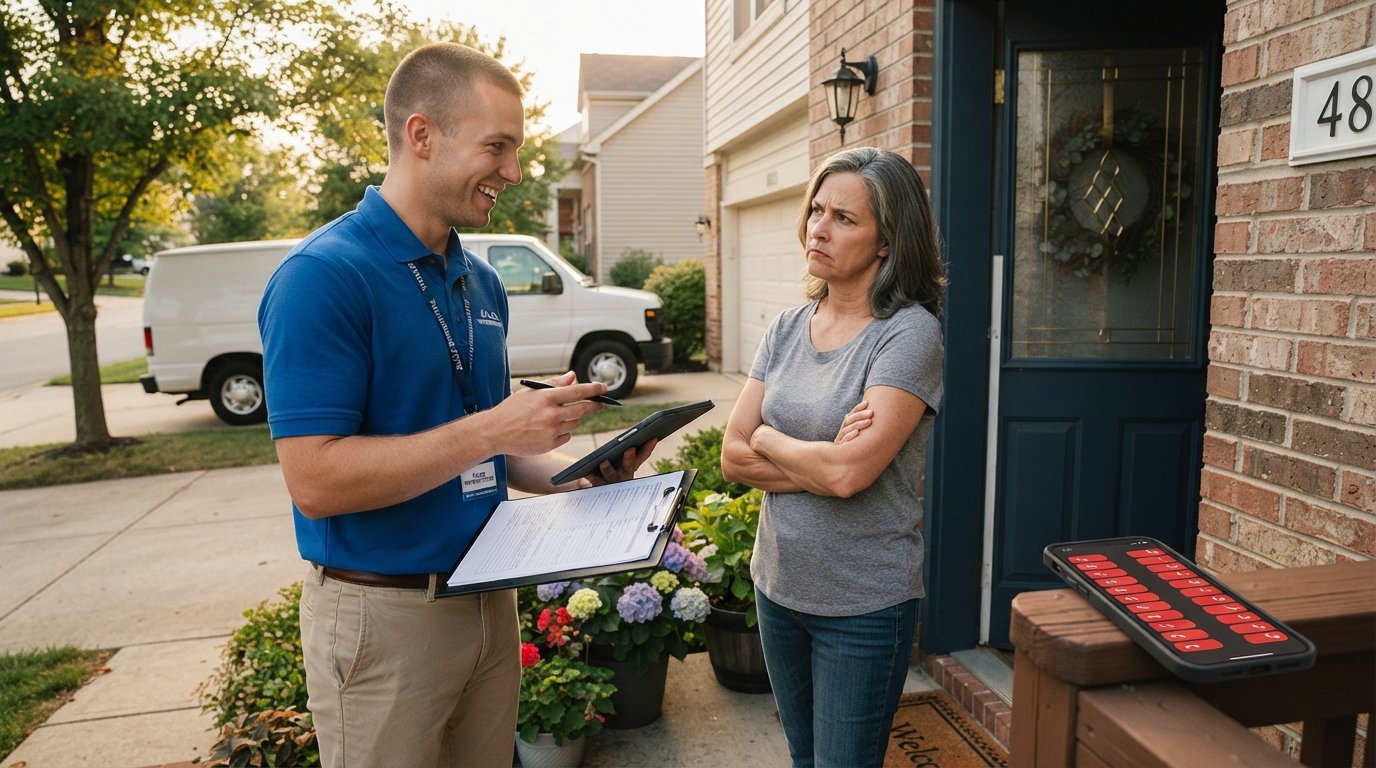
You get a knock at the door. A smiling rep in a polo shirt says your neighbor just went solar and you qualify for a "special federal program" that expires tonight. Your phone rings ten times a day from numbers you do not recognize. A slick presentation promises zero down and a monthly payment lower than your current electric bill, but the fine print is buried under thirty pages. If any of this sounds familiar, you are not alone. Solar is one of the best investments a homeowner can make in 2026, but the rapid growth of the industry has attracted bad actors who use aggressive tactics to lock you into overpriced contracts. Knowing how to spot solar installer scams and high pressure sales is the first step toward protecting your wallet and your roof.
The stakes are real. A typical residential solar system costs between $15,000 and $30,000 before incentives, and a twenty-five year loan can add thousands in interest. When a shady installer inflates the price, hides fees, or installs substandard equipment, you lose money every month for decades. The good news is that legitimate installers follow clear rules: they give you time, they put everything in writing, and they never pressure you to sign on the spot. This guide will show you exactly what to watch for, which red flags should end the conversation immediately, and how to choose a trustworthy partner for your renewable energy project.
Red Flags of High Pressure Solar Sales Tactics
High pressure sales tactics are the most common warning sign of a problematic solar company. These tactics are designed to short-circuit your judgment and push you into a signature before you have time to compare quotes or read the contract. The classic example is the "one-day-only" discount. A salesperson claims the price goes up tomorrow, or that a limited number of rebates remain in your zip code. In reality, solar pricing and incentive programs do not change overnight, and any legitimate installer will happily give you a week or more to review the paperwork.
Another red flag is the unsolicited door-to-door pitch that turns into a two-hour pressure session in your living room. Reps may refuse to leave until you sign, or they may ask for your electric bill and a copy of your ID "just to run a quick analysis." Never hand over personal documents during a first visit. A reputable company will schedule a follow-up, provide a written proposal, and let you keep a copy to study at your own pace. If a salesperson becomes pushy, argumentative, or tries to make you feel guilty about "wasting their time," end the conversation. You owe them nothing.
Phone and online scams are also on the rise. Robocalls claiming to be from your utility company, fake government programs, and social media ads that promise "free solar panels" are almost always fraudulent. According to the U.S. Department of Energy, no federal program gives away free solar systems to homeowners. If someone says you qualify for a grant that covers the entire cost, they are lying. You can read more about legitimate installer selection in our guide on how to choose a solar installer and start saving, which walks through vetting steps that protect you from exactly these schemes.
Here are the most common high pressure tactics to recognize on sight:
- Limited-time offers that expire within hours or by the end of the day.
- Claims that a government rebate or tax credit is about to run out.
- Requests for your signature before you have seen a full contract.
- Refusal to provide a written quote or to leave paperwork with you.
- Cold calls or door knocks claiming you were "pre-approved" for solar.
If you encounter any of these, treat it as a stop sign. Legitimate solar companies compete on quality, warranty, and service, not on fear and urgency. When a salesperson tries to rush you, they are usually hiding something: an inflated price, a bad financing term, or a system that does not match your actual energy needs.
Contract and Financing Traps to Watch For
Even if the sales pitch feels calm, the contract can hide serious problems. One of the most common traps is the escalating payment clause in solar leases and power purchase agreements (PPAs). Your monthly payment might start at $80, but the contract allows the company to raise it by 2.9 percent every year. Over twenty-five years, that small increase adds up to thousands of extra dollars. Always ask whether the payment is fixed for the entire term. If the answer is no, ask for the exact escalation rate in writing and calculate the total cost over the life of the agreement.
Another trap is the misleading savings projection. Some installers use unrealistically high utility rate increases to make solar look more attractive. They might assume your electric rates will rise 8 percent per year, when the historical average in your state is closer to 2 or 3 percent. They may also ignore shading, roof orientation, or your actual usage patterns. A trustworthy proposal will show conservative assumptions and explain how they arrived at their numbers. If a quote promises you will eliminate your electric bill entirely, be skeptical. Most systems offset a large portion of usage, but fixed charges and seasonal variations usually leave a small remaining bill.
Financing add-ons are another area where scams hide. Dealer fees, origination fees, and inflated interest rates can turn a $20,000 system into a $35,000 loan. Some companies roll the cost of a "free" smart thermostat or a "free" roof inspection into the loan without telling you. Before you sign, ask for the total cost of the system including all fees, the interest rate, the length of the loan, and the monthly payment. Compare that total to at least two other quotes from local installers. A difference of a few thousand dollars is normal, but a difference of $10,000 or more suggests someone is overcharging.
Watch for these specific contract red flags:
- Payments that escalate annually without a clear cap.
- Savings projections based on unrealistically high utility rate increases.
- Dealer fees or origination fees that are not disclosed upfront.
- Liens on your home that are difficult to remove if you sell.
- Warranty terms that exclude labor, roof penetrations, or inverter replacement.
If a contract contains any of these elements, ask the salesperson to explain them in plain language and provide written clarification. If they cannot or will not, walk away. You can always find another installer. You cannot easily undo a twenty-five year loan.
How to Verify a Solar Installer Before You Sign
Verification is your best defense against scams. Before you sign anything, spend thirty minutes checking the company's credentials. Start with your state's licensing board. Most states require solar installers to hold an electrical contractor license or a specialty solar license. You can look up the license number online and confirm it is active and in good standing. If a company cannot provide a license number, that is a major red flag.
Next, check reviews on multiple platforms. Google, Yelp, the Better Business Bureau, and SolarReviews all have different strengths. Look for patterns. One or two bad reviews are normal for any business, but a cluster of complaints about high pressure sales, poor workmanship, or warranty denials tells you something important. Pay attention to how the company responds to negative reviews. A professional response that offers to resolve the issue is a good sign. A defensive or hostile response is not.
Ask for references from local customers who have had their systems for at least two years. Call those references and ask specific questions: Did the system perform as promised? Was the installation clean and safe? Did the company honor its warranty when something went wrong? A reputable installer will happily provide references. A scammer will make excuses or give you only out-of-state contacts.
Finally, confirm insurance and bonding. A legitimate installer carries general liability insurance and workers' compensation coverage. Ask for a certificate of insurance and verify it with the insurance company. If a worker gets injured on your roof and the company is not insured, you could be held liable. This is a risk no homeowner should take.
Here is a simple verification checklist you can use:
- Look up the company's license number on your state licensing board website.
- Read reviews on at least three independent platforms.
- Ask for and call two or three local references.
- Request a certificate of insurance and verify it.
- Confirm the company has a physical address and a working phone number.
If any of these steps raise doubts, do not proceed. There are thousands of reputable solar installers in the United States, and you deserve to work with one of them. For a deeper dive into comparing quotes and understanding financing, you can also explore resources like FreeSolarPowerQuotes, which helps homeowners request no-obligation quotes from vetted providers.
Understanding Real Solar Incentives vs. Fake Offers
Scammers often use real government incentives as bait, then twist the details to make them sound better than they are. The federal residential clean energy credit, for example, allows you to deduct a percentage of your solar installation cost from your federal taxes. In 2026, that credit remains a powerful financial tool. However, it is not a rebate check. You do not get cash back. You reduce the taxes you owe. If you have little or no tax liability, you may not be able to use the full credit in one year.
State and utility incentives vary widely. Some states offer rebates, performance-based incentives, or property tax exemptions. Some utilities offer net metering, which credits you for excess power you send to the grid. Scammers often exaggerate these programs or claim they are about to expire when they are not. Always verify incentive details with your state energy office or your utility company. Never rely solely on a salesperson's word.
One common scam is the "free solar" pitch tied to a government grant. There is no federal grant that pays for residential solar systems. Another is the claim that you can "lock in" a tax credit by signing a contract before a deadline. Tax credits are claimed when you file your taxes for the year the system is installed. Signing a contract does not lock in anything. If a salesperson uses these claims, they are either misinformed or deliberately misleading you.
To protect yourself, keep these facts in mind:
- The federal solar tax credit is a credit, not a cash rebate.
- State and utility incentives change, but rarely overnight.
- No government program gives away free solar panels to homeowners.
- You claim tax credits when you file, not when you sign.
- Always verify incentive details with official sources.
When you understand how incentives actually work, you can quickly spot when a salesperson is stretching the truth. That knowledge alone will save you from many common scams.
What to Do If You Suspect a Solar Scam
If you have already signed a contract with a company you now believe is unscrupulous, do not panic. You have options. First, review your contract for a cancellation clause. Many states require a three-day right of rescission for home improvement contracts, including solar. If you are within that window, send a written cancellation notice by certified mail immediately.
If the cancellation window has passed, contact your state attorney general's office and file a complaint. You can also file a complaint with the Federal Trade Commission and the Better Business Bureau. These agencies track patterns of fraud and can take action against repeat offenders. If the company made false statements or engaged in deceptive practices, you may have legal grounds to void the contract. Consult a consumer protection attorney if the amount in question is significant.
Finally, warn your neighbors. Scammers often target entire neighborhoods. Sharing your experience on local social media groups or community boards can prevent others from falling into the same trap. The more people know how to spot solar installer scams and high pressure sales, the harder it is for bad actors to operate.
Solar energy is a smart investment when you work with a reputable installer. Take your time, ask questions, verify credentials, and never let anyone rush you into a decision. Your home and your finances are worth the extra effort.