How to Vet a PV Installer: Credentials and Workmanship
Verify licensing, insurance, and NABCEP certification before hiring a solar installer. Learn how to vet a PV installer credentials and workmanship to avoid costly mistakes.

By Alexia Mabel
Learn more about Solar Panel Installation and Repair for guides, costs, and what to expect.
Compare Solar Panel Installation and Repair Pros Near You
Enter your ZIP code to compare top-rated local professionals and request free quotes.
Choosing a solar installer is one of the most consequential decisions you will make as a homeowner. The difference between a well-executed installation and a poor one can mean thousands of dollars in repairs, voided warranties, and years of underperformance. With thousands of contractors claiming expertise in photovoltaic (PV) systems, learning how to vet a PV installer credentials and workmanship is your best defense against costly mistakes. This guide walks you through the exact steps to verify licensing, insurance, certifications, and real-world craftsmanship so you can hire with confidence and protect your investment.
Start with Licensing and Business Verification
Every legitimate solar installer must hold specific licenses that vary by state, county, and sometimes city. Before you even discuss system design, verify that the company is legally authorized to operate and perform electrical work in your area. In most U.S. states, solar installation requires a general contractor license, an electrical contractor license, or both. Some states also require a specialized solar contractor license. You can typically check these credentials through your state's licensing board website or the National Association of State Contractors Licensing Agencies (NASCLA).
Do not rely solely on a contractor's word or a logo on their website. Ask for their license number, then look it up independently. Confirm that the license is active, in good standing, and covers the scope of work you need. Also verify the business entity itself: a quick search on your Secretary of State's website will tell you if the company is registered, how long it has been in business, and whether it has any outstanding complaints or judgments.
Beyond licensing, check for a physical business address and a working phone number. Be wary of installers who operate only through a website or a post office box. A legitimate company will have a local presence, a verifiable history, and references you can contact. If they pressure you to sign immediately or offer a discount that expires today, that is a major red flag.
Verify Insurance Coverage and Worker Protections
Insurance is non-negotiable. A professional PV installer must carry both general liability insurance and workers' compensation insurance. General liability protects your property if a worker damages your roof, siding, or electrical system during installation. Workers' compensation covers medical costs and lost wages if a worker is injured on your property. Without these policies, you could be held financially responsible for accidents or damage.
Ask for a Certificate of Insurance (COI) and review it carefully. The COI should list the company's name, policy limits, and effective dates. Call the insurance provider directly to confirm the policy is active and that the coverage amounts are adequate for a project of your size. Many homeowners assume that a contractor's insurance is sufficient, only to discover later that the policy had lapsed or excluded certain types of work.
Also inquire about subcontractors. Many solar companies hire subcontractors for roofing, electrical work, or system design. If subcontractors will be on your property, they must carry their own insurance and licensing. Ask the primary contractor how they vet their subcontractors and whether they require proof of insurance before allowing them on a job site. A reputable company will have a clear answer and will not hesitate to provide documentation.
Evaluate Certifications and Manufacturer Partnerships
While licensing is mandatory, certifications demonstrate a higher level of expertise and commitment to quality. The most widely recognized credential in the solar industry is the North American Board of Certified Energy Practitioners (NABCEP) certification. NABCEP offers several certifications, including PV Installation Professional, PV Design Specialist, and Solar Heating Installer. A NABCEP-certified installer has passed a rigorous exam, documented thousands of hours of field experience, and committed to continuing education.
In addition to NABCEP, look for manufacturer partnerships. Major solar panel and inverter manufacturers, such as Enphase, SolarEdge, Tesla, and SunPower, offer tiered installer programs. These programs require installers to meet specific training, quality, and customer service standards. An installer who is a certified partner with a top manufacturer is more likely to follow best practices and honor warranties.
Finally, check memberships in industry associations such as the Solar Energy Industries Association (SEIA) or your state's solar energy association. These organizations often require members to adhere to a code of ethics and provide ongoing training. Membership alone does not guarantee quality, but it is a positive indicator that the company is invested in the industry's long-term health.
Assess Workmanship Through References and Portfolios
Credentials and insurance are essential, but they do not tell you how well a company actually installs a system. Workmanship is where the rubber meets the road, and it is often the hardest thing to evaluate before you hire. The good news is that you can gather substantial evidence by asking the right questions and doing a little detective work.
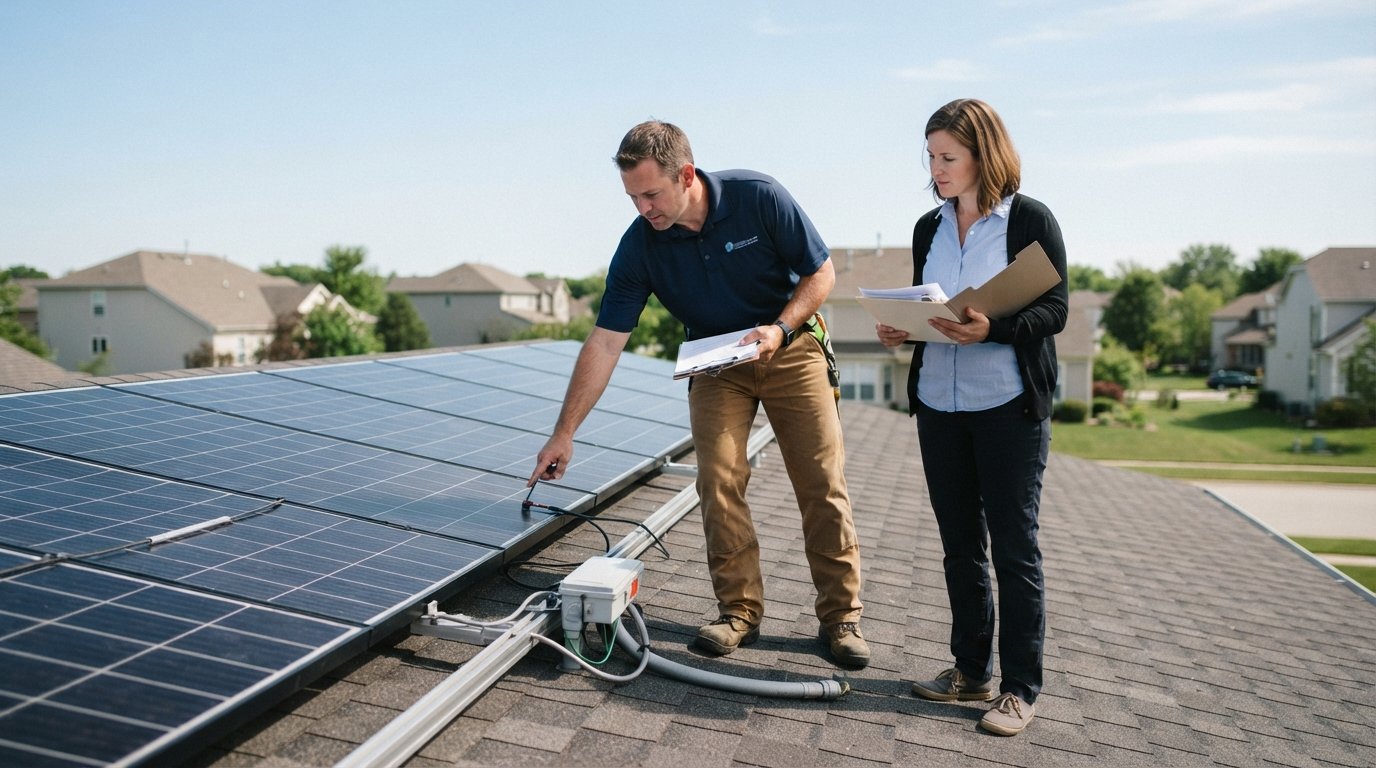
Start by requesting a list of at least three recent local installations. Do not accept a generic list of names and numbers; ask for addresses or permission to contact the homeowners directly. When you speak with references, go beyond "Are you happy?" Ask specific questions about the installation process, how the crew handled unexpected issues, whether the system has performed as expected, and how the company responded to any post-installation problems. If possible, visit one of the installations and inspect the work yourself. Look for neat conduit runs, properly sealed roof penetrations, and a clean, organized inverter and disconnect setup.
Online reviews are another valuable source of information, but use them wisely. Check Google Reviews, Yelp, the Better Business Bureau, and solar-specific forums. Look for patterns rather than isolated incidents. A single one-star review might be an anomaly; a dozen complaints about the same issue (for example, poor communication or leaky roofs) is a warning sign. Pay attention to how the company responds to negative reviews. A professional response that offers to resolve the issue is a good sign; defensive or dismissive replies are not.
Inspect the Proposal and Design for Red Flags
The proposal you receive is a window into the company's attention to detail and transparency. A high-quality proposal should include a site assessment, shading analysis, system size and production estimates, equipment specifications, a detailed financial breakdown, and a clear timeline. If any of these elements are missing, ask for them before proceeding.
Watch for vague language or overly optimistic production estimates. A reputable installer will use modeling software like Aurora Solar or Helioscope to generate production projections based on your specific roof orientation, pitch, and local weather data. They should also account for shading from trees, chimneys, and nearby buildings. If an installer promises a specific percentage of your bill will be eliminated without a detailed analysis, be skeptical.
Another red flag is a proposal that uses generic equipment descriptions or fails to specify makes and models. You should know exactly which panels, inverters, and mounting hardware will be installed. Ask about the warranty terms for each component and for the workmanship itself. Most manufacturers offer 25-year performance warranties on panels and 10 to 12 years on inverters, but workmanship warranties vary widely, from 5 to 25 years. A strong workmanship warranty is a sign that the installer stands behind their labor.
Ask About Installation Practices and Safety Standards
How a company approaches installation says a lot about their commitment to quality. Ask potential installers to describe their process from start to finish. Do they perform a structural assessment of your roof? Do they use flashing and sealants specifically designed for solar installations? Do they follow National Electrical Code (NEC) requirements for wiring, grounding, and rapid shutdown? These details matter for both safety and long-term performance.
Also inquire about permitting and inspection. A professional installer will handle all necessary permits and schedule inspections with your local building department and utility company. They should be familiar with local code requirements and net metering policies. If an installer suggests skipping permits or offers to do the work "off the books," walk away immediately. Unpermitted work can void your homeowner's insurance, create legal liabilities, and complicate future home sales.
Finally, ask about monitoring and maintenance. Most modern solar systems come with monitoring platforms that allow you to track production in real time. A good installer will set up monitoring, walk you through the dashboard, and provide a clear process for reporting and resolving performance issues. They should also offer maintenance services, such as panel cleaning and inverter repairs, or connect you with a trusted partner. For homeowners who want a hassle-free way to compare vetted installers and receive free, no-obligation quotes, FreeSolarPowerQuotes is a valuable starting point.
Use a Due Diligence Checklist Before You Sign
To make the vetting process manageable, create a checklist and work through it methodically for each installer you consider. This prevents you from overlooking critical details and makes it easier to compare companies side by side.
- License verification: Confirm the license number, status, and scope of work through your state licensing board.
- Insurance confirmation: Obtain and verify a Certificate of Insurance for general liability and workers' compensation.
- Certifications and partnerships: Check for NABCEP certification and manufacturer partner status.
- References and reviews: Contact at least three recent local references and review online feedback for patterns.
- Proposal quality: Ensure the proposal includes a site assessment, shading analysis, detailed equipment specs, and production estimates.
- Warranty terms: Review workmanship and equipment warranties, including duration and coverage details.
- Permitting and inspection: Confirm the installer will handle all permits and schedule inspections.
Once you have completed this checklist for each candidate, compare your notes. The right installer will stand out not just for price, but for transparency, responsiveness, and a proven track record of quality work. Remember that the lowest bid is rarely the best value if it comes with cut corners, inferior equipment, or poor customer service.
Red Flags That Should End the Conversation
Even after you have verified credentials, some behaviors should immediately disqualify an installer. High-pressure sales tactics, such as limited-time offers or claims that you will lose out on incentives if you do not sign today, are classic warning signs. Similarly, any installer who promises to eliminate your electric bill entirely or guarantees a specific dollar amount in savings is overpromising; no one can predict utility rates or weather patterns with certainty.
Another red flag is a request for full payment upfront. Most installers require a deposit, but it should be a reasonable percentage (typically 10 to 30 percent) and tied to project milestones. Never pay in cash or via wire transfer to an individual; use a traceable method like a credit card or check made out to the company. Also be cautious of installers who refuse to provide a written contract or who discourage you from reading the fine print.
Finally, trust your instincts. If something feels off during the sales process, such as evasive answers, a lack of documentation, or a dismissive attitude toward your questions, it will likely get worse during installation. There are many reputable solar installers out there; you do not need to settle for one that makes you uncomfortable.
Leverage Independent Resources for Comparison
Vetting installers on your own can be time-consuming, especially if you are new to solar. Independent educational platforms can streamline the process by providing vetted installer networks, cost calculators, and state-specific incentive guides. For example, FreeSolarPowerQuotes connects homeowners with reputable third-party solar providers and offers free, no-obligation quotes. This allows you to compare multiple offers side by side and choose the one that best fits your needs and budget.
When using any quote service, be clear about your priorities. Are you looking for the lowest upfront cost, the best equipment, or the strongest warranty? Different installers excel in different areas, and a quote service can help you identify the ones that align with your goals. Just remember that the final decision is yours, and you should still perform your own due diligence on any installer you are considering.
Final Thoughts on Hiring a Solar Installer
Vetting a PV installer is not a single step; it is a process of gathering evidence, asking tough questions, and trusting your judgment. By verifying licensing and insurance, checking certifications, inspecting workmanship through references and site visits, and using a due diligence checklist, you can dramatically reduce the risk of a bad installation. The solar industry is maturing, and the best installers are eager to prove their credentials and quality. Take your time, do your homework, and choose a partner who will deliver a system that performs reliably for decades.