
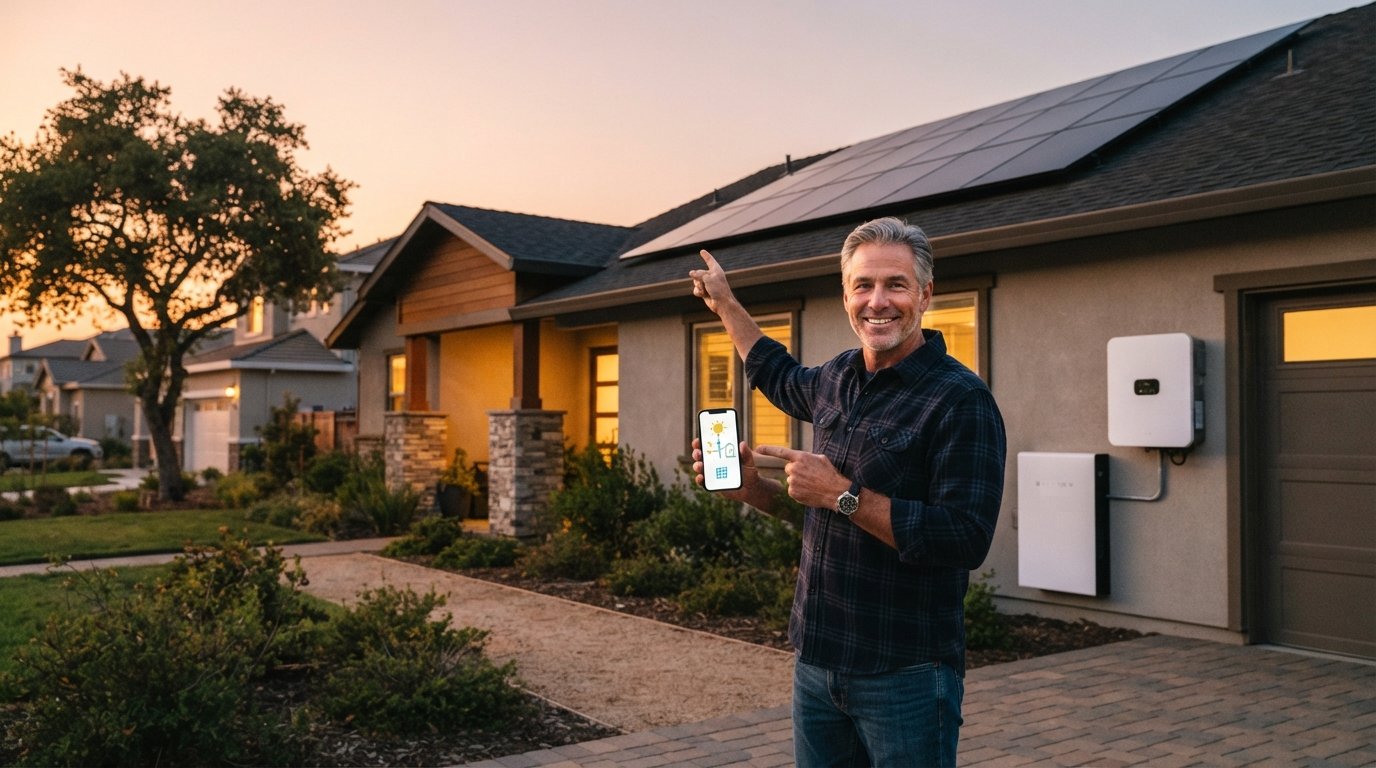
Hybrid Solar System: How It Works and Saves Money
Discover how a hybrid solar system combines grid power with battery backup to cut bills and keep your lights on during outages.

By Alex Carter
Learn more about Solar Panel Installation and Repair for guides, costs, and what to expect.
Compare Solar Panel Installation and Repair Pros Near You

Enter your ZIP code to compare top-rated local professionals and request free quotes.
Imagine a solar setup that keeps your lights on during a blackout, slashes your electric bill, and lets you store clean energy for later. That is exactly what a hybrid solar system delivers. Unlike traditional grid-tied or off-grid systems, a hybrid combines the best of both worlds: it connects to the utility grid and includes battery storage. For U.S. homeowners in 2026, this flexibility is transforming how people think about solar power. In this guide, you will learn how a hybrid solar system works, what it costs, how it compares to other options, and why it might be the smartest energy upgrade for your home.
What Is a Hybrid Solar System?
A hybrid solar system is a photovoltaic (PV) setup that pairs solar panels with battery storage while remaining connected to the local utility grid. This configuration allows you to generate your own electricity, store excess energy for later use, and draw from the grid when needed. It offers the energy independence of an off-grid system without sacrificing the reliability of a grid connection.
The core components include solar panels, one or more hybrid inverters, a battery bank, and a smart controller that manages energy flow. The hybrid inverter is the brain of the operation: it converts DC electricity from panels into AC for your home, charges the battery when surplus is available, and seamlessly switches between solar, battery, and grid power based on real-time conditions. This intelligent management means you can use stored solar energy during evening peak hours, when utility rates are highest, and still have the grid as a backup for extended cloudy periods.
For many homeowners, the appeal lies in resilience. When the grid goes down, a standard grid-tied solar system shuts off for safety, leaving you in the dark. A hybrid system, however, can automatically disconnect from the grid and power critical loads from your battery, keeping refrigerators, lights, and medical devices running. This capability is a game-changer for regions prone to extreme weather and power outages.
How a Hybrid Solar System Works Step by Step
Understanding the daily operation of a hybrid system helps you appreciate its value. Here is a simplified breakdown of the energy flow in a typical home installation:
- Solar generation: Panels on your roof capture sunlight and convert it into direct current (DC) electricity.
- Power conversion: The hybrid inverter converts DC into alternating current (AC), which your home appliances use.
- Instant consumption: The electricity first goes to power your lights, electronics, and HVAC system, reducing your demand from the grid.
- Battery charging: Any excess solar power not used immediately charges your home battery instead of being sent back to the grid.
- Grid interaction: When your solar production is low (like at night) and the battery is depleted, the system automatically draws from the utility grid.
- Backup mode: During a grid outage, the system isolates your home and uses battery power to keep essential circuits running.
This process happens automatically and in real time, without any effort from you. The smart inverter constantly monitors production, consumption, battery state, and grid status to optimize efficiency. Some systems even allow you to control settings via a smartphone app, such as prioritizing battery storage for backup or selling excess power back to the grid during high-demand periods.
Hybrid vs. Grid-Tied vs. Off-Grid Solar
Choosing the right solar architecture depends on your goals, budget, and local utility policies. Hybrid systems sit in the middle, offering a balance of cost, independence, and convenience. Here is a comparison to clarify the differences:
- Grid-tied solar: The most common and least expensive option. Panels connect directly to the utility grid, and you receive credits for excess generation through net metering. No battery means no backup power during outages.
- Off-grid solar: Fully independent from the utility. Requires a larger battery bank and often a backup generator. Ideal for remote locations but expensive and requires careful energy management.
- Hybrid solar: Combines grid connection with battery storage. Offers backup power, energy independence, and potential savings through time-of-use optimization, but with a higher upfront cost than grid-tied.
For most suburban and urban homeowners, a hybrid system represents the most practical upgrade path. You get the peace of mind of battery backup without completely severing ties with the grid. This is especially valuable in states like Texas, Florida, or California, where grid reliability can be a concern and time-of-use rates make battery storage financially attractive.
Key Benefits of a Hybrid Solar System
The advantages of going hybrid extend beyond just having power during an outage. Here are the main reasons homeowners are making the switch:
- Energy independence: You produce and store your own power, reducing reliance on the utility company and protecting against rate hikes.
- Emergency backup: Critical appliances stay on during blackouts, which is invaluable for families with medical needs or home offices.
- Lower electricity bills: By using stored solar energy during peak hours, you avoid high utility rates and maximize your solar investment.
- Environmental impact: More self-consumption means less strain on the fossil-fuel-heavy grid, further reducing your carbon footprint.
- Potential incentives: Many states offer rebates or tax credits specifically for battery storage, lowering the net cost.
These benefits translate into tangible value. For example, a family in Phoenix with a 10 kW hybrid system could offset nearly all their annual electricity consumption, saving $2,000 or more each year while keeping their air conditioning running during monsoon-season outages. The combination of savings and security is why so many homeowners view hybrid systems as a long-term investment, not just an expense.
Costs and Financial Considerations
The upfront cost of a hybrid solar system is higher than a grid-tied setup, primarily due to the battery. As of 2026, a typical residential installation ranges from $20,000 to $40,000 before incentives, depending on system size, battery capacity, and local labor rates. The battery alone can account for $8,000 to $15,000 of that total. However, the financial picture improves significantly when you factor in the federal Investment Tax Credit (ITC), which currently covers 30% of the total system cost, and various state-level incentives.
Financing options also make hybrid systems more accessible. Many installers offer solar loans with low monthly payments, allowing you to start saving on electricity from day one. Some utilities even provide performance-based incentives for battery storage, rewarding you for reducing strain on the grid during peak times. To get an accurate estimate for your home, use a solar cost calculator or request quotes from certified installers. A reputable company will perform a site assessment and provide a detailed proposal outlining equipment, installation, and projected savings.
Is a Hybrid Solar System Right for Your Home?
While hybrid systems offer compelling advantages, they are not the best fit for every situation. Consider the following factors before deciding:
- Your electricity rates: If your utility charges high rates during peak hours, a battery can save you significant money by shifting your consumption.
- Outage history: Frequent or long blackouts make battery backup far more valuable. Check your area's outage frequency and duration.
- Available roof space: You need enough south-facing roof area for solar panels to generate sufficient power for both daily use and battery charging.
- Budget: If the upfront cost is a barrier, a grid-tied system with a smaller battery or a solar loan might be more practical.
- Local regulations: Some utilities have interconnection policies or net metering rules that affect how you are credited for excess energy.
If you decide that a hybrid system aligns with your energy goals, the next step is to find a qualified installer. NewSolarQuotes can connect you with vetted solar professionals in your area who specialize in hybrid installations. They will help you design a system that meets your specific needs, navigate permits and incentives, and ensure a safe, efficient installation. With the right partner, you can enjoy the peace of mind and long-term savings that a hybrid solar system provides.
In a world of rising energy costs and an aging grid, a hybrid solar system is more than a backup plan. It is a proactive step toward energy independence and financial resilience. By generating, storing, and intelligently managing your own power, you take control of your future. If you are ready to explore your options, start by comparing quotes from certified installers to see what a hybrid system could do for your home and your budget.
Learn more about Solar Panel Installation and Repair for guides, costs, and what to expect.
Compare Solar Panel Installation and Repair Pros Near You
Enter your ZIP code to compare top-rated local professionals and request free quotes.