
Solar Battery Lifespan and Warranty: What to Expect in 2026
Solar battery lifespan and warranty what to expect: uncover cycle life, degradation, and claim steps. Call (833)-212-3715 for expert guidance.

By Wendy Keller
Learn more about Solar Panel Installation and Repair for guides, costs, and what to expect.
Compare Solar Panel Installation and Repair Pros Near You

Enter your ZIP code to compare top-rated local professionals and request free quotes.
When you invest in a solar battery, you are buying a decade or more of energy independence. But how long will that battery actually last, and what happens if it fails early? The answers lie in the chemistry of the battery, the way it is used, and the fine print of its warranty. Understanding solar battery lifespan and warranty what to expect is essential for making a smart purchase and avoiding costly surprises. This guide breaks down the real-world performance you can anticipate from modern home batteries, the degradation you should plan for, and the warranty protections that can save you thousands.
Understanding Battery Degradation: Cycle Life and Calendar Aging
All solar batteries degrade over time. This degradation happens in two ways: through use (cycle life) and through age (calendar aging). Cycle life refers to the number of charge and discharge cycles a battery can endure before its capacity drops to a specified percentage, typically 70% or 80% of its original capacity. Calendar aging occurs regardless of use, as chemical reactions inside the battery slowly reduce its ability to hold a charge. For homeowners, the key is to recognize that both factors interact. A battery that is cycled daily will degrade faster than one used only for backup power.
Lithium iron phosphate (LFP) batteries have become the dominant chemistry for residential storage because they offer superior cycle life and safety. A typical LFP battery can handle 6,000 to 10,000 full cycles before reaching 80% capacity. In contrast, nickel manganese cobalt (NMC) batteries, found in some older or higher-density systems, generally last 3,000 to 5,000 cycles. To put this in perspective, if a battery is cycled once per day, 6,000 cycles translate to more than 16 years of daily use. However, most home batteries are not cycled fully every day, so calendar aging often becomes the limiting factor.
Calendar aging is influenced by temperature and state of charge. Batteries stored at high temperatures or kept at 100% charge for extended periods degrade faster. Manufacturers often recommend operating temperatures between 50°F and 85°F (10°C to 30°C) and may suggest a partial state of charge for standby systems. Real-world data from installed systems shows that LFP batteries typically retain 70% to 80% of their capacity after 10 years, while NMC batteries may drop to 60% to 70% in the same period. These figures are general, but they highlight why warranty terms matter: a warranty that guarantees a certain capacity retention over a set number of years provides a safety net.
What Throughput and Capacity Warranties Actually Cover
Solar battery warranties are not all the same. Two common types are throughput warranties and capacity warranties. A throughput warranty guarantees that the battery will deliver a certain amount of energy (measured in megawatt-hours, MWh) over the warranty period. For example, a warranty might state that the battery is covered for 10 years or 32 MWh of throughput, whichever comes first. This type of warranty protects you if the battery degrades faster than expected due to heavy use. A capacity warranty, on the other hand, guarantees that the battery will retain a minimum percentage of its original capacity at the end of the warranty term, such as 70% after 10 years. Some manufacturers offer a combination of both.
It is crucial to read the fine print. Many warranties prorate the compensation: if the battery fails at year 8 of a 10-year warranty, you may receive a credit that is a percentage of the original cost, not a full replacement. Others offer a full replacement if capacity drops below the threshold within the warranty period. Additionally, warranties often exclude damage from improper installation, extreme weather, or unauthorized modifications. Labor costs for removal and reinstallation may or may not be covered. Understanding these details helps you compare batteries accurately and set realistic expectations.
Another key aspect is the difference between manufacturer warranties and installer warranties. The manufacturer covers the battery itself, while the installer may provide a workmanship warranty for the installation. If a battery fails due to a faulty installation, the installer warranty should apply. Always check both. Also, some warranties are transferable to a new homeowner if you sell your house, which can add value to your property. Transferability varies by brand, so confirm this if you plan to move.
How Depth of Discharge and Temperature Affect Longevity
Depth of discharge (DoD) is the percentage of the battery's capacity that is used before recharging. Shallow discharges (e.g., using only 50% of capacity) put less stress on the battery and can extend its life. Most modern lithium batteries are rated for 100% DoD, but doing so regularly may accelerate degradation. For maximum longevity, many manufacturers recommend a DoD of 80% to 90%. Some systems allow you to set a reserve capacity, which keeps the battery from draining completely. This is especially useful for backup power, where you want to ensure there is always some charge available.
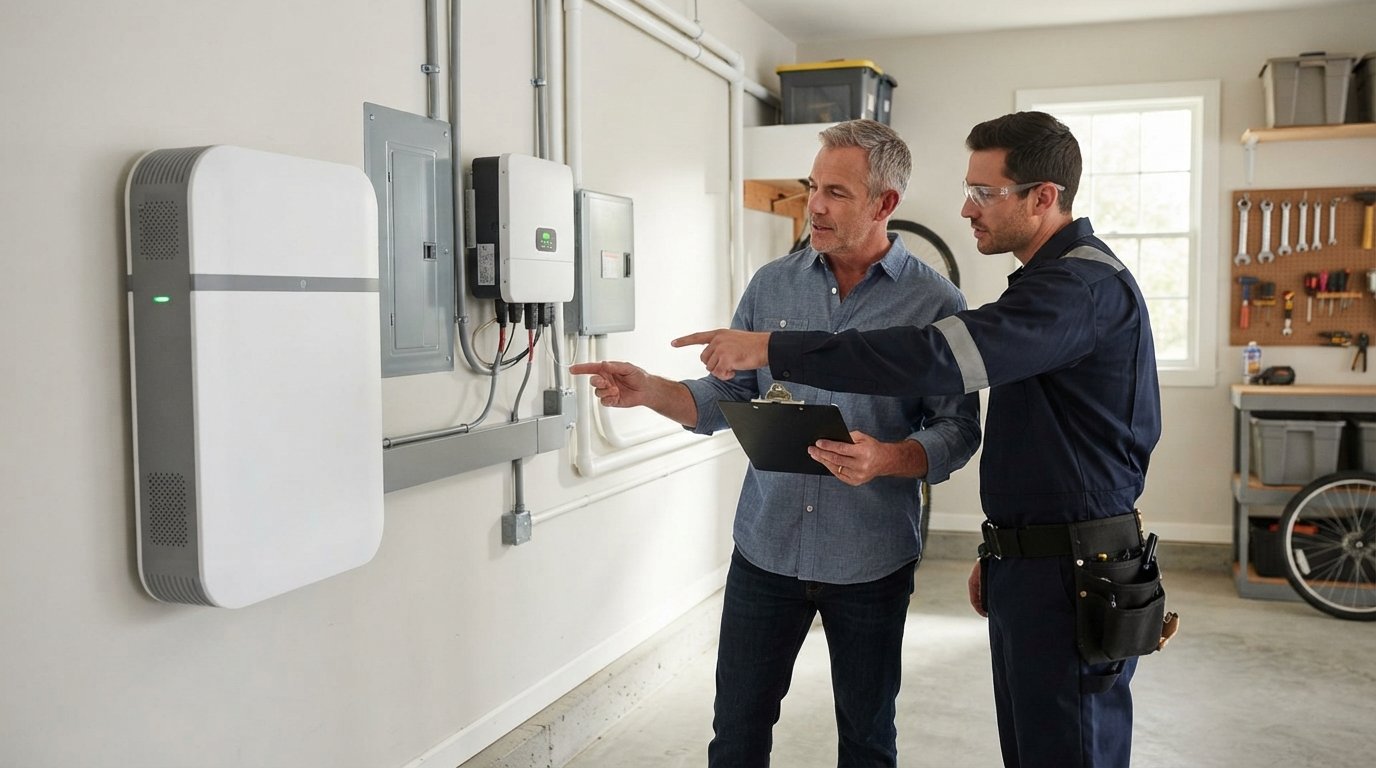
Temperature is another critical factor. Batteries operate best within a moderate temperature range. High temperatures accelerate chemical reactions and degrade the battery faster, while very low temperatures can temporarily reduce capacity and, in some cases, cause permanent damage if charging occurs below freezing. Installing the battery in a conditioned space (like a garage or utility room) is ideal. If the battery must be outdoors, choose a model with built-in thermal management. Many warranties specify that the battery must be installed within a certain temperature range, and failure to do so may void the warranty. Therefore, proper siting is both a performance and a warranty consideration.
To illustrate, consider two identical batteries: one installed in a cool basement in a moderate climate, the other in an unconditioned shed in a hot climate. The first might retain 80% capacity after 10 years, while the second might drop to 60% in the same period. The difference is significant, and it underscores why you should factor in location and climate when estimating solar battery lifespan and warranty what to expect. If you live in an extreme climate, look for batteries with active thermal management and robust warranties that do not exclude high-temperature operation.
Filing a Battery Warranty Claim: Steps and Documentation
If you suspect your battery is not performing as expected, you may need to file a warranty claim. The process can be straightforward if you are prepared. First, review your warranty document to confirm the coverage period and terms. Then, gather the necessary documentation. Most manufacturers require proof of purchase, installation date, and serial number. They may also ask for performance data, such as capacity readings from your monitoring system. Many modern batteries have integrated monitoring that logs this data, so you can export it.
Contact the manufacturer or your installer to initiate the claim. Be clear about the issue: is the battery failing to hold a charge, or is its capacity significantly lower than the warranty threshold? Provide the data you have collected. The manufacturer may troubleshoot remotely or send a technician to test the battery. If the claim is approved, they will repair or replace the battery according to the warranty terms. Keep a record of all communications. If the process stalls, follow up in writing. In some cases, you may need to escalate to a supervisor or file a complaint with a consumer protection agency.
To streamline the process, keep a maintenance log. Note any firmware updates, changes in system settings, or unusual events (like power outages or extreme weather). This information can help diagnose issues and demonstrate that you have followed the manufacturer's guidelines. Also, be aware that warranties often have time limits for making a claim after a defect is discovered, so act promptly if you notice a problem.
Maximizing Your Battery's Lifespan: Best Practices
While you cannot control everything, you can take steps to extend your battery's life and protect your warranty. Start with proper installation by a certified professional. Improper wiring or ventilation can cause premature failure and void the warranty. Next, optimize settings: if your system allows, set a maximum depth of discharge to 80% or 90%, and avoid keeping the battery at 100% charge for long periods if it is not needed for backup. Use the battery's monitoring app to track performance and receive alerts about temperature or capacity issues.
Regular maintenance is also important. Check for firmware updates, as manufacturers sometimes release updates that improve battery management. Keep the area around the battery clean and free of debris. If you notice any physical damage, discoloration, or strange odors, contact a professional immediately. Do not attempt to open or repair the battery yourself, as this is dangerous and will void the warranty.
Finally, plan for the end of life. Even the best battery will eventually degrade to the point where it no longer meets your needs. When that happens, recycle the battery responsibly. Many manufacturers offer recycling programs. Also, consider that the solar battery lifespan and warranty what to expect should guide your purchase decision: choose a battery with a warranty that matches your intended use and climate. For a deeper dive into how battery storage lowers bills and integrates with your home, see our guide on what is solar battery storage system.
When planning a move to a new home, whether you are taking your battery with you or installing a new system, reliable moving resources can help. For comprehensive relocation support, including packing and storage, visit Moving.Homes relocation guides.
Key Takeaways for Homeowners
Understanding solar battery lifespan and warranty what to expect empowers you to make informed decisions. Here are the essentials to remember:
- LFP batteries typically last 6,000 to 10,000 cycles (10+ years), while NMC batteries last 3,000 to 5,000 cycles.
- Warranties vary: throughput warranties guarantee energy delivered, capacity warranties guarantee minimum capacity retention, and some combine both.
- Depth of discharge and temperature are the biggest controllable factors affecting longevity.
- Filing a warranty claim requires documentation and prompt action.
- Best practices include professional installation, optimized settings, and regular monitoring.
By following these guidelines, you can maximize your battery's performance and ensure you get the most value from your investment. For personalized advice and quotes from certified installers, contact NewSolarQuotes today.