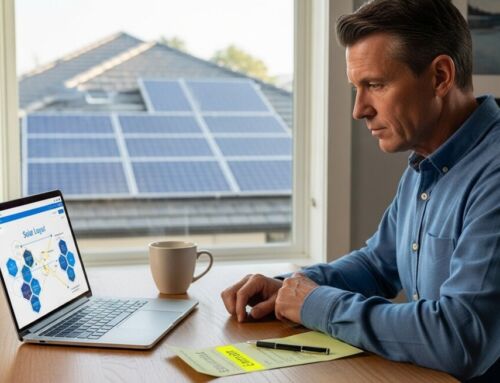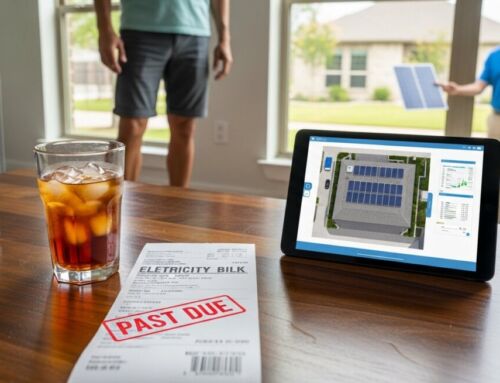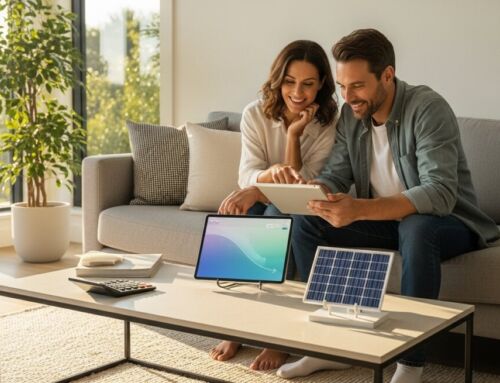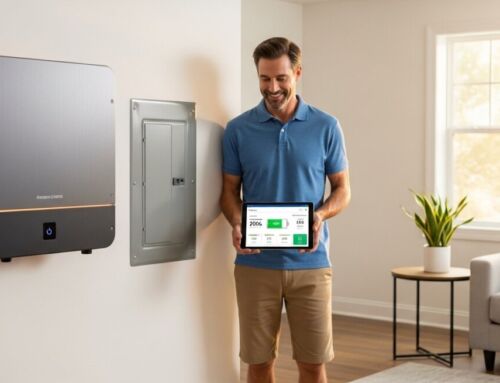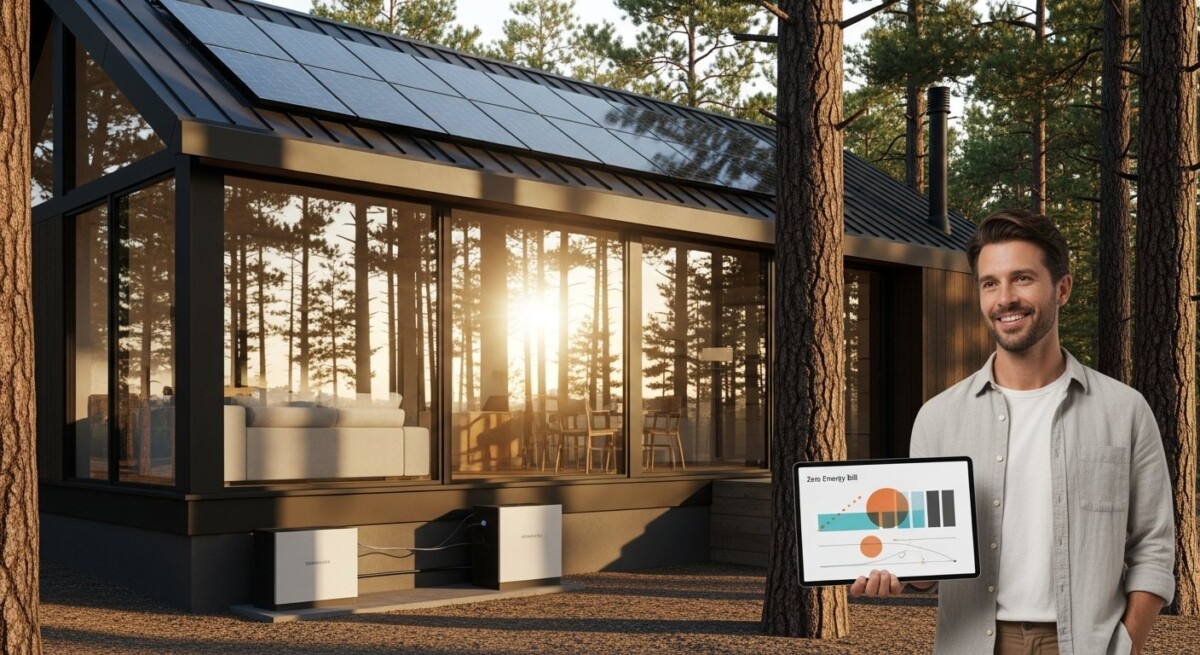
You open your monthly electricity bill and feel that familiar knot in your stomach. For many homeowners, rising utility rates are no longer a minor annoyance,they are a serious financial strain. This frustration has led a growing number of people to search for solar for off grid homes as a way to slash energy bills and gain real independence from the power grid. If you have ever dreamed of a home that powers itself without relying on distant power plants, you are in the right place.
Understanding Solar for Off Grid Homes
Solar for off grid homes refers to a complete energy system that generates, stores, and supplies electricity without any connection to the traditional utility grid. Instead of feeding power back to the local utility company, your home collects sunlight through solar panels, converts it into usable electricity, and stores the excess in batteries for use at night or on cloudy days.
This setup is different from grid-tied solar, which keeps you hooked to the utility for backup power. Off grid systems are entirely self-contained. They require a careful balance of panels, battery storage, and an inverter to manage the flow of energy. More homeowners are choosing this path because it offers true energy independence and protection from unpredictable rate hikes.
Key Components of an Off Grid System
An off grid solar system has three main parts: solar panels that capture sunlight, a charge controller that regulates the power, and a battery bank that stores energy for later use. An inverter then converts the stored direct current (DC) into alternating current (AC) that your home appliances can use. Getting the right size and configuration is critical, which is why professional guidance matters.
Why Solar Energy Is Becoming More Popular
Electricity prices across the United States have climbed steadily over the past decade, and experts expect that trend to continue. When homeowners see their bills rise year after year, the appeal of generating their own power becomes hard to ignore. Solar energy offers a predictable, long-term solution to a problem that feels out of control.
Beyond financial concerns, many people are motivated by environmental stewardship. Solar power produces no greenhouse gas emissions during operation, which helps reduce your household’s carbon footprint. For families who want to leave a cleaner planet for their children, off grid solar is a tangible way to make a difference while also saving money over the long haul.
Long-term savings are perhaps the most persuasive reason of all. Although the upfront cost of an off grid system can be significant, the system pays for itself over time through eliminated or drastically reduced electricity bills. Once the equipment is paid off, your power is essentially free, and you are insulated from future rate increases.
If you are considering solar power for your home, comparing installation quotes can help you understand your options. Request a free solar quote or call to learn more.
Common Questions Homeowners Have About Solar
It is completely normal to have questions before making such an important investment. Many homeowners worry about the upfront installation cost, which can range from several thousand dollars for a small system to tens of thousands for a full off grid setup. However, federal and state incentives can dramatically reduce that initial price tag.
Another frequent concern is whether your roof is suitable for solar panels. Factors such as roof age, material, shading from trees, and orientation toward the sun all play a role. A professional installer can assess your specific property and recommend the best placement, whether that is on your roof or on a ground-mounted rack in your yard.
System performance is also top of mind. Homeowners want to know if their panels will work during winter or on overcast days. The good news is that solar panels still generate electricity in diffuse light, though at a reduced rate. Coupled with a properly sized battery bank, your home can stay powered even when the sun is not shining brightly.
- How much does a full off grid solar system cost?
- Will my roof support the weight of solar panels?
- What happens if my batteries run out during a storm?
- Do I need special permits to install solar panels?
- How long do solar panels and batteries last?
- Can I expand my system later if my energy needs grow?
How Solar Panel Installation Works
Installing an off grid solar system is not a weekend DIY project for most homeowners. The process begins with a thorough home energy assessment, where an installer evaluates your current electricity usage and identifies opportunities for efficiency improvements. This step ensures you do not oversize or undersize your system.
Next, the installer designs a custom system tailored to your home’s energy demands and your property’s solar potential. They handle all the necessary permits and approvals from local authorities, which can be one of the most time-consuming parts of the process. After approvals are in place, the physical installation of panels, batteries, and wiring takes place, usually over a few days.
Once everything is connected, the system is tested and activated. Your installer will walk you through how to monitor your energy production and battery levels, so you always know your system is working properly. Many modern systems include smartphone apps that give you real-time data.
- Home energy assessment and usage analysis
- Custom system design and equipment selection
- Permit applications and local approvals
- Physical installation of solar panels and battery bank
- System testing, activation, and user training
Speaking with experienced installers can help you determine the best solar solution for your home. Compare solar quotes here or call to explore available options.
Signs Your Home May Be Ideal for Solar
Not every home is a perfect candidate for off grid solar, but many are better suited than homeowners realize. The most important factor is sunlight exposure. If your roof or property receives direct sunlight for most of the day, especially between 9 a.m. and 3 p.m., you have strong solar potential.
Another clear sign is high electricity bills. If you are paying a premium each month to keep your home running, switching to solar can offer immediate relief. Homes with electric heating, air conditioning, or electric vehicle charging tend to benefit the most because their energy consumption is high.
You also need adequate space for solar panels and battery storage. A typical off grid system requires about 400 to 800 square feet of unshaded roof or ground area. Finally, if you plan to stay in your home for at least five to ten years, the long-term savings will far outweigh the upfront investment.
- Your roof faces south, west, or east with minimal shade
- Your monthly electricity bill is consistently high
- You have at least 400 square feet of usable roof or ground space
- You plan to stay in your current home for several more years
- Your local utility rates are rising faster than inflation
What Affects Solar Installation Costs
The cost of an off grid solar system is influenced by several key variables. System size is the biggest factor,the more kilowatt-hours you need to generate, the more panels and batteries you will require. A small cabin system might cost $10,000, while a full-family home system can run $30,000 or more before incentives.
Equipment quality also plays a major role. Premium solar panels and high-capacity lithium batteries cost more upfront but offer better efficiency and longer lifespans. Cheaper components may save money now but could lead to higher maintenance costs or earlier replacement. Installation complexity, such as a steep roof or difficult wiring, can add labor charges as well.
Local incentives and tax credits are the silver lining. The federal Investment Tax Credit (ITC) currently allows you to deduct 30 percent of your system cost from your federal taxes. Many states and utilities offer additional rebates or performance-based incentives, which can lower your net cost significantly.
The cost of solar installation varies depending on your home and energy needs. Request personalized solar quotes or call to see what options are available.
Tips for Choosing a Reliable Solar Installer
Selecting the right installer is just as important as choosing the right equipment. A trustworthy installer will conduct a thorough site evaluation, answer all your questions honestly, and provide a clear, itemized quote. They should also be willing to explain the pros and cons of different battery technologies and panel brands.
Start by checking each installer’s credentials. Look for certifications such as NABCEP (North American Board of Certified Energy Practitioners), which indicates advanced training. Verify that they carry proper licensing and insurance for your state. Reading customer reviews on platforms like Google, Yelp, or the Better Business Bureau can reveal how they handle issues after the sale.
Finally, never settle for a single quote. Comparing multiple proposals allows you to see differences in price, equipment quality, warranty terms, and installation timelines. This process helps you avoid overpaying and ensures you choose a system that truly fits your budget and energy goals.
- Verify installer certifications and licensing
- Read recent customer reviews on multiple platforms
- Ask about warranties on panels, batteries, and workmanship
- Request itemized quotes from at least three companies
Long-Term Benefits of Installing Solar Panels
Once your off grid solar system is up and running, the most immediate benefit is lower,or even eliminated,electricity bills. Instead of sending a check to the utility company each month, you invest that money into your own home and future. Over 20 to 30 years, those savings can amount to tens of thousands of dollars.
Your property value also gets a boost. Homes with solar energy systems sell faster and at higher prices than comparable homes without solar. Buyers are attracted to the promise of low utility costs and energy independence, especially in areas with frequent power outages or high electricity rates.
On top of financial gains, there is the intangible satisfaction of reducing your environmental impact. By generating clean, renewable energy, you are helping to decrease reliance on fossil fuels. And with a well-designed off grid system, you gain true independence,no more worrying about blackouts, grid failures, or rate hikes from your local utility.
What is the difference between grid-tied and off grid solar?
Grid-tied solar systems remain connected to the utility grid, allowing you to draw power when your panels are not producing and sell excess power back to the utility. Off grid systems are completely independent and rely on battery storage to provide power when the sun is not shining. Off grid systems are ideal for remote locations or homeowners who want total energy autonomy.
How much does an off grid solar system cost for an average home?
A complete off grid system for a typical three-bedroom home in the United States ranges from $25,000 to $45,000 before incentives. The final cost depends on your daily energy usage, the quality of equipment you choose, and local labor rates. After the 30 percent federal tax credit, your out-of-pocket cost could be $17,500 to $31,500.
Can I run my entire house on off grid solar?
Yes, you can run an entire house on off grid solar if your system is properly sized. This includes lights, appliances, heating and cooling systems, and electronics. You may need to adjust your energy habits,such as using major appliances during daylight hours,to avoid draining your battery bank too quickly.
How long do solar panels and batteries last?
High-quality solar panels typically last 25 to 30 years, with only a slight decrease in efficiency over time. Most manufacturers offer a 25-year performance warranty. Lithium-ion batteries, which are the most common choice for off grid systems, generally last 10 to 15 years before needing replacement. Lead-acid batteries are cheaper but have a shorter lifespan of 3 to 7 years.
Do I need to clean my solar panels regularly?
Solar panels require very little maintenance. Rain usually washes away dust and pollen. In dry or dusty areas, you may need to rinse them with a hose once or twice a year. Avoid using abrasive cleaners or pressure washers, which can damage the panel surface. Your installer can provide specific care instructions for your equipment.
What happens if my batteries run out during bad weather?
If your battery bank is fully depleted during an extended period of cloudy weather, your system will stop supplying power. To prevent this, most off grid systems include a backup generator or a smaller secondary power source. Properly sizing your battery bank for your local climate is essential to minimize the risk of running out of power.
Are there government incentives for off grid solar systems?
Yes, the federal Investment Tax Credit (ITC) allows you to deduct 30 percent of your total system cost from your federal income taxes. Some states also offer additional rebates, property tax exemptions, or sales tax exemptions for solar equipment. Check with your state energy office or a local installer to learn about incentives available in your area.
How do I know if my roof is strong enough for solar panels?
A professional installer will inspect your roof’s structure, age, and material during the initial assessment. Most asphalt shingle roofs that are in good condition can support solar panels. If your roof is older or has structural issues, you may need to make repairs or consider a ground-mounted system instead.
Taking the step toward solar for off grid homes is one of the most empowering decisions a homeowner can make. You gain control over your energy costs, reduce your environmental footprint, and enjoy true independence from the grid. The best way to start is by gathering information and comparing quotes from trusted installers. Request your free solar quotes today or call to take the first step toward energy freedom.