Every month, you open your electricity bill and wonder if there is a better way. Rising energy costs are pushing more homeowners to explore solar energy as a practical solution. If you have been researching solar panel installation, you have likely encountered the solar battery vs grid comparison. Understanding this choice can help you reduce your monthly bills and gain more control over your home’s energy use.
Understanding Solar Battery vs Grid Comparison
A solar battery stores excess energy produced by your solar panels during the day. Instead of sending that extra power back to the utility grid, you keep it for use at night or during cloudy weather. The grid, on the other hand, acts as a backup source when your panels are not generating electricity.
The solar battery vs grid comparison comes down to how you want to manage your energy. With a grid-tied system, you rely on net metering to get credits for the power you send back. With a battery, you store your own energy and use it when needed. More homeowners are choosing batteries to gain energy independence and protect against rising utility rates.
How Solar Batteries Work
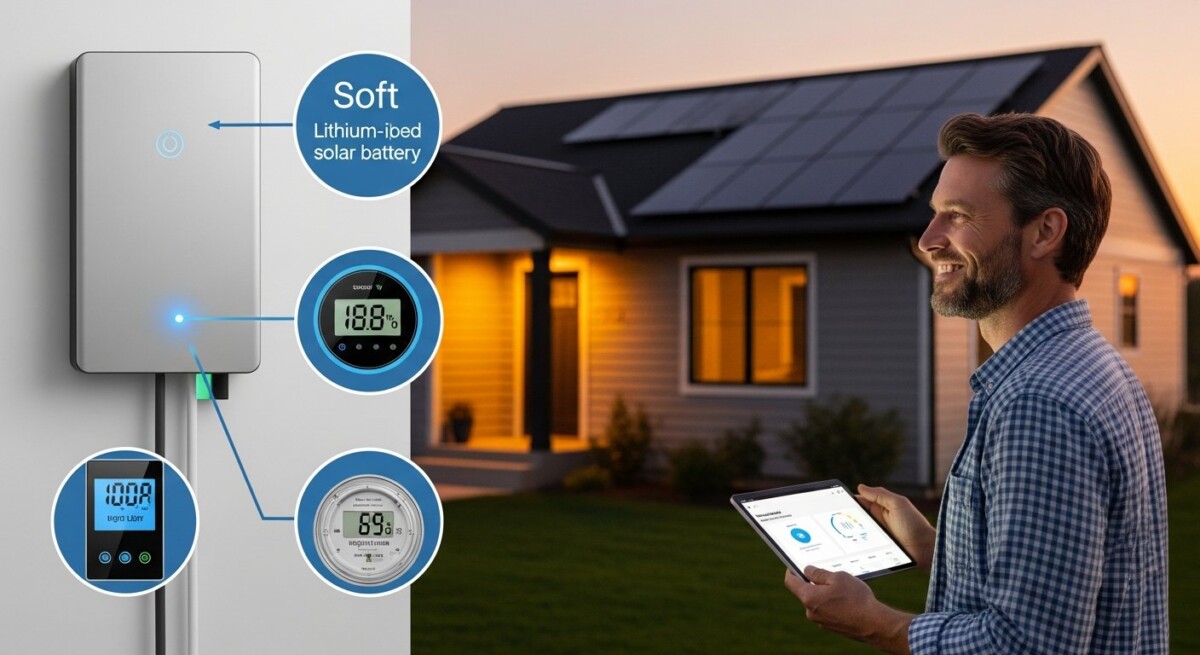
Solar batteries are typically lithium-ion units that charge during peak sunlight hours. When the sun goes down or during a power outage, the battery automatically supplies power to your home. This setup reduces your dependence on the grid and can lower your electricity bills by avoiding peak rate periods.
Why Solar Energy Is Becoming More Popular
Electricity prices have risen steadily over the past decade, and many homeowners feel the pinch. Solar energy offers a way to lock in lower energy costs and protect against future rate hikes. In our guide on future trends in solar battery tech, we explain how advances are making storage more affordable and efficient.
Environmental concerns also drive interest in solar power. By generating your own clean energy, you reduce your carbon footprint and contribute to a healthier planet. Long-term savings are another major factor,most solar systems pay for themselves within 5 to 10 years through reduced electricity bills.
If you are considering solar power for your home, comparing installation quotes can help you understand your options. Request a free solar quote or call to learn more.
Common Questions Homeowners Have About Solar
Many homeowners worry about the upfront cost of solar panel installation. While the initial investment can be significant, federal tax credits and state rebates can reduce the price by 30% or more. Roof suitability is another common concern,south-facing roofs with minimal shade work best for maximum energy production.
System performance also raises questions. Solar panels are durable and require little maintenance, but their output depends on local weather and panel orientation. Most systems come with performance guarantees that ensure they produce a certain amount of energy over 25 years.
- How much does a solar battery system cost?
- Will solar panels work during a power outage?
- How long do solar batteries last?
- What size solar system do I need for my home?
- Are there financing options available?
- Do solar panels increase home value?
How Solar Panel Installation Works
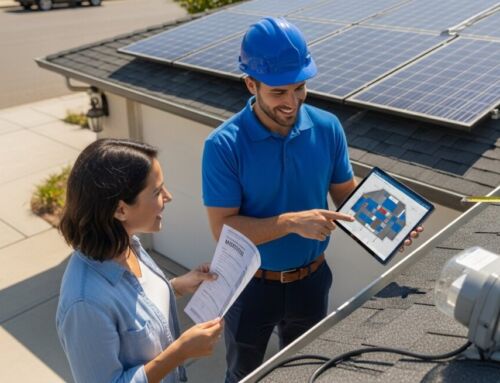
Professional solar installation follows a clear process that ensures your system is safe and efficient. The first step is a home energy assessment, where an installer reviews your electricity usage and roof condition. This data helps design a system that meets your specific needs.
After the design is complete, the installer handles permits and approvals from your local utility and municipality. The actual panel installation usually takes one to three days, depending on system size. Once installed, the system is inspected and activated, and you start generating solar power immediately.
- Home energy assessment and usage analysis
- System design and equipment selection
- Permit applications and utility approvals
- Panel and inverter installation on your roof
- System inspection and grid connection
- System activation and monitoring setup
Speaking with experienced installers can help you determine the best solar solution for your home. Compare solar quotes here or call to explore available options.
Signs Your Home May Be Ideal for Solar
Not every home is equally suited for solar panels, but many properties can benefit. A roof that receives strong sunlight for most of the day is the most important factor. If your electricity bills are consistently high, solar can provide significant savings over time.
You also need enough roof space to accommodate the number of panels required. Homes with large, unshaded south- or west-facing roofs are excellent candidates. If you plan to stay in your home for several years, the long-term financial benefits become even more attractive.
- Your roof gets at least 5 hours of direct sunlight daily
- Your monthly electricity bills exceed $100
- You have at least 300 square feet of usable roof space
- Your roof is in good condition and less than 10 years old
- You plan to stay in your home for 5 years or more
- Your local utility offers net metering or battery incentives
What Affects Solar Installation Costs
System size is the biggest factor in solar installation pricing. Larger homes with higher energy needs require more panels, which increases the total cost. Equipment quality also matters,premium panels and inverters cost more but often deliver better performance and longer warranties.
Installation complexity can add to the price if your roof has a steep pitch, unusual materials, or limited access. Local incentives and rebates can significantly reduce your out-of-pocket expense. In our guide on solar battery backup: power outage solution, we discuss how adding a battery affects overall system costs.
The cost of solar installation varies depending on your home and energy needs. Request personalized solar quotes or call to see what options are available.
Tips for Choosing a Reliable Solar Installer
Choosing the right installer is critical to getting a system that performs well for decades. Look for companies with several years of experience and a proven track record in your area. Check that they hold proper licenses, insurance, and certifications from organizations like the North American Board of Certified Energy Practitioners (NABCEP).
Warranties are another key consideration. A reliable installer offers a workmanship warranty of at least 10 years and uses equipment with 25-year performance guarantees. Reading customer reviews on platforms like Google and EnergySage can give you insight into the company’s service quality.
- Review installer experience and local references
- Check for NABCEP certification and proper licensing
- Understand equipment and workmanship warranties
- Read recent customer reviews on independent sites
- Compare at least three quotes before making a decision
- Ask about monitoring and maintenance services
Long-Term Benefits of Installing Solar Panels
Lower electricity bills are the most immediate benefit of going solar. Over 25 years, the average homeowner saves between $20,000 and $40,000 on energy costs. Solar panels also increase your home’s resale value,studies show that homes with solar sell for 4% to 6% more than comparable non-solar homes.
Reducing your environmental impact is another meaningful advantage. A typical residential solar system offsets about 3 to 4 tons of carbon dioxide each year. Energy independence gives you peace of mind, especially during grid outages or rate hikes. With a battery, you can store power for use when you need it most.
How much can I save by switching to solar?
Savings depend on your local electricity rates, system size, and available incentives. On average, homeowners save 50% to 90% on their monthly electricity bills after installing solar. Adding a battery can increase savings by allowing you to use stored energy during peak rate periods.
What is the difference between grid-tied and off-grid solar?
A grid-tied system connects to the utility grid and uses net metering to exchange power. An off-grid system relies entirely on batteries and is not connected to the grid. Most homeowners choose grid-tied systems with battery backup for the best balance of savings and reliability.
Do solar batteries work during a power outage?
Yes, but only if the battery is properly configured for backup power. Standard grid-tied systems shut down during an outage for safety reasons. A battery with islanding capability can keep your home powered even when the grid is down.
How long do solar panels last?
Solar panels typically last 25 to 30 years, with many still producing at 80% efficiency after that time. Inverters may need replacement after 10 to 15 years. Regular cleaning and occasional inspections keep your system running efficiently.
Are there government incentives for solar batteries?
Yes, the federal Investment Tax Credit (ITC) covers 30% of the cost of a solar battery system. Many states and utilities offer additional rebates or performance-based incentives. Check the Database of State Incentives for Renewables and Efficiency (DSIRE) for programs in your area.
Can I install solar panels myself?
DIY installation is possible but not recommended for most homeowners. Professional installers ensure proper wiring, roof sealing, and compliance with local codes. Mistakes can void warranties, create safety hazards, and reduce system performance.
Will solar work on a shaded roof?
Solar panels still generate power in partial shade, but output is reduced. Microinverters or power optimizers can help minimize the impact of shading. An installer can assess your roof and recommend the best solution.
How do I choose between a solar battery and the grid?
Consider your goals: if you want maximum savings and live in an area with good net metering, a grid-tied system may be best. If you value backup power and energy independence, a battery is worth the investment. Comparing quotes from multiple installers can help you weigh the costs and benefits.
Understanding the solar battery vs grid comparison is the first step toward lower electricity bills and greater energy independence. By comparing installation quotes from certified professionals, you can find a system that fits your home, budget, and lifestyle. Start exploring your solar options today and take control of your energy future.