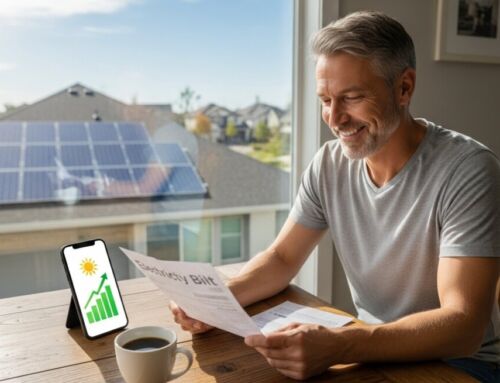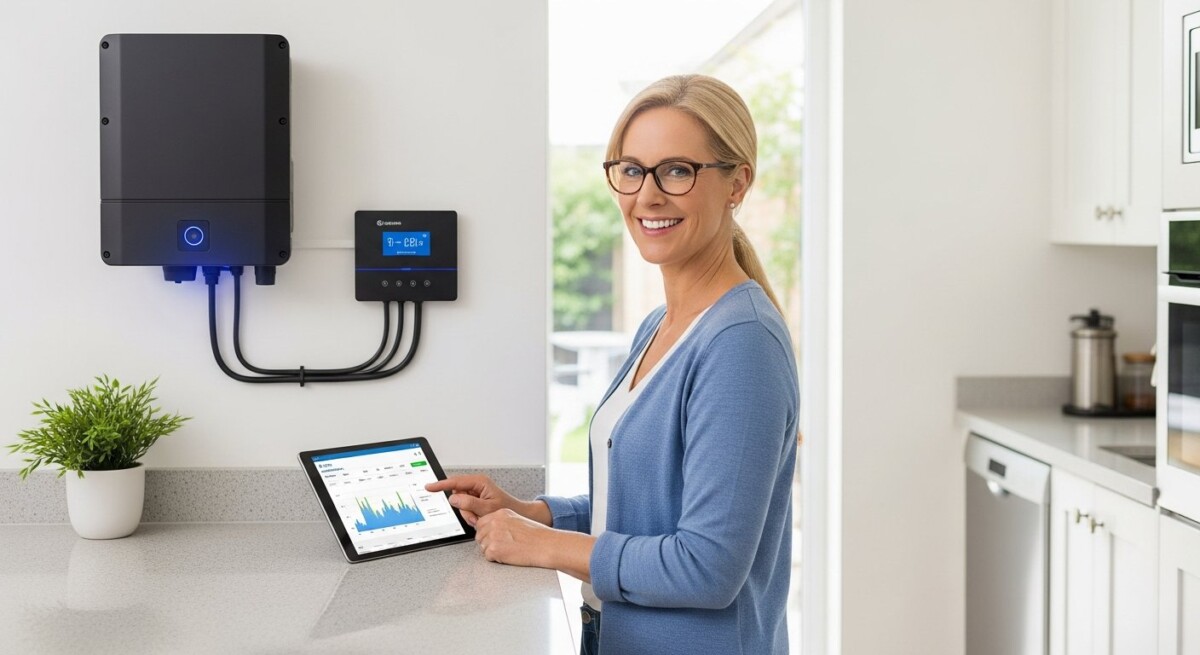
You open your monthly electricity bill and feel a familiar sting. Rates keep climbing, and you wonder if there is a way to take control of your energy costs. That is why many homeowners are searching for answers to questions like “what is solar inverter function” and how solar power can lower their bills. Understanding how solar energy works is the first step toward reducing your dependence on the grid and keeping more money in your pocket each month.
A solar inverter is the brain of any solar panel system. Without it, the electricity your panels produce would be useless for powering your home. If you are researching solar panel installation, knowing what a solar inverter does helps you make smarter decisions about your system design and long-term savings.
Understanding what is solar inverter function
In simple terms, a solar inverter converts the direct current (DC) electricity generated by your solar panels into alternating current (AC) electricity that your home uses. Most household appliances, lights, and electronics run on AC power, so this conversion is essential. Think of the inverter as a translator that makes solar energy usable for your everyday needs.
Beyond conversion, modern inverters also monitor system performance, communicate with the grid, and optimize energy production. Some advanced models include safety features that shut down the system during maintenance or grid outages. As more homeowners look for energy independence and lower bills, the role of the inverter has become a central part of system design.
Types of solar inverters explained
There are three main types of solar inverters: string inverters, microinverters, and power optimizers. String inverters connect a series of panels together and are the most common and cost-effective option. Microinverters attach to each individual panel, allowing each one to perform independently, which is ideal for roofs with partial shade. Power optimizers are a hybrid solution that combines some benefits of both types.
Why Solar Energy Is Becoming More Popular
Rising electricity prices are the number one reason homeowners switch to solar. According to the U.S. Energy Information Administration, residential electricity rates have increased steadily over the past decade. Solar panels allow you to generate your own power and lock in lower energy costs for 25 years or more.
Environmental concerns also play a major role. Solar energy produces no greenhouse gases or air pollution, making it one of the cleanest ways to power your home. Many homeowners feel good about reducing their carbon footprint while also saving money. In our guide on maximize savings with solar tax credit carryover, we explain how the federal Investment Tax Credit can reduce your installation costs by 30 percent, making solar more affordable than ever.
Long-term savings are compelling. Although the upfront cost of solar panels can seem high, the average homeowner saves between $10,000 and $30,000 over the life of their system. When you combine lower electric bills with government incentives and rebates, solar becomes a smart financial investment.
If you are considering solar power for your home, comparing installation quotes can help you understand your options. Request a free solar quote or call to learn more.
Common Questions Homeowners Have About Solar
Most homeowners have similar concerns when they first explore solar. The biggest question is usually about cost. A typical residential solar system ranges from $15,000 to $25,000 before incentives, but federal and state programs can cut that amount significantly. Many installers also offer financing options with low monthly payments.
Roof suitability is another common worry. Solar panels work best on roofs that face south or west and receive direct sunlight for most of the day. A professional installer will evaluate your roof’s angle, shading, and condition during a free assessment. They can also help you determine if your roof needs repairs before installation.
Performance questions often arise, too. Solar panels produce less power on cloudy days, but modern systems still generate electricity even in indirect light. Many homeowners also ask about battery storage, which allows you to store excess energy for use at night or during power outages. For a deeper look at this topic, see our article on batteries & solar: a perfect match.
- How much does a solar system cost after tax credits?
- Will solar panels work on my roof type?
- How long do solar panels last?
- Do I need a battery with my solar system?
- What happens during a power outage?
- How much maintenance do solar panels require?
How Solar Panel Installation Works
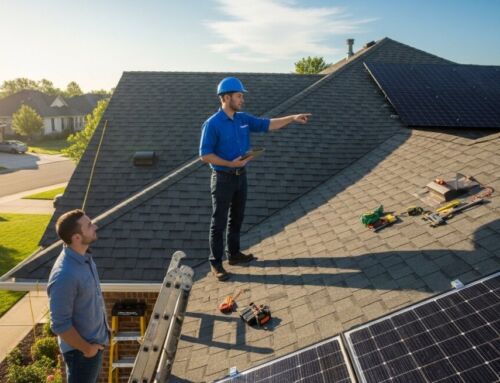
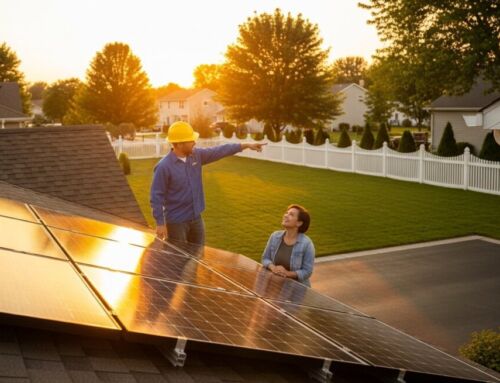
The installation process is straightforward when you work with a qualified professional. It begins with a home energy assessment, where an installer reviews your electricity usage, roof condition, and sunlight exposure. This assessment helps them design a system tailored to your specific needs.
Once you approve the design, the installer handles all permits and approvals with your local government and utility company. This step ensures your system meets building codes and interconnection requirements. After permits are secured, the actual installation typically takes one to three days, depending on system size and roof complexity.
- Home energy assessment and system design
- Permits and approvals from local authorities and utility
- Panel and inverter installation on your roof
- Electrical wiring and connection to your breaker panel
- System activation and final inspection
Speaking with experienced installers can help you determine the best solar solution for your home. Compare solar quotes here or call to explore available options.
Signs Your Home May Be Ideal for Solar
Not every home is equally suited for solar, but many are. The most important factor is sunlight exposure. If your roof gets direct sun for most of the day without heavy shading from trees or nearby buildings, your system will produce more energy. South-facing roofs are best, but east and west orientations can also work well.
Your electricity bills are another clue. If you pay more than $100 per month on average, solar can likely reduce or eliminate that cost. Homeowners who plan to stay in their home for at least five to seven years usually see the best return on investment, since solar pays for itself over time.
- Your roof receives strong sunlight for at least five hours daily
- Your monthly electricity bills are consistently high
- You have enough unobstructed roof space (typically 300,500 square feet)
- You plan to own your home for several more years
- Your local utility offers net metering or other solar incentives
- Your state provides rebates or tax credits for solar installations
What Affects Solar Installation Costs
Several factors influence the total price of a solar system. System size, measured in kilowatts, is the biggest driver. A larger system costs more upfront but produces more electricity, which can lead to greater long-term savings. Equipment quality also matters, as high-efficiency panels and premium inverters cost more but often perform better over time.
Installation complexity plays a role, too. A simple, single-story roof with standard shingles is easier and cheaper to work on than a steep, multi-tiered roof or one with unusual materials. Local labor rates and permit fees also vary by region. The good news is that federal and state incentives can offset 30 percent or more of your total cost, making solar affordable for most homeowners.
The cost of solar installation varies depending on your home and energy needs. Request personalized solar quotes or call to see what options are available.
Tips for Choosing a Reliable Solar Installer
Selecting the right installer is just as important as choosing the right equipment. A professional installer will guide you through every step, from system design to permit filing and activation. They can also help you avoid costly mistakes like undersizing your system or selecting incompatible components.
Start by checking each installer’s experience and credentials. Look for companies that are licensed, insured, and certified by organizations like the North American Board of Certified Energy Practitioners (NABCEP). This certification indicates that the installer has met rigorous industry standards and stays current with best practices.
- Review installer experience and number of completed projects
- Check warranties on panels, inverters, and workmanship
- Read customer reviews on independent platforms like Google and Solar Reviews
- Compare at least three detailed quotes before making a decision
- Ask about monitoring options and post-installation support
- Verify that the installer handles all permits and paperwork
Long-Term Benefits of Installing Solar Panels
The most obvious benefit is lower electricity bills. Once your solar system is installed, you generate your own power and reduce what you pay the utility company every month. Over 25 years, those savings can add up to tens of thousands of dollars, depending on your energy usage and local rates.
Solar panels also increase your home’s value. Studies by the National Renewable Energy Laboratory show that homes with solar sell for about 4 percent more than comparable homes without it. Buyers are attracted to the promise of lower utility costs and energy independence, making your property more marketable.
Environmental benefits are equally important. By switching to solar, you reduce your household’s carbon footprint by an average of three to four tons of carbon dioxide per year. That is equivalent to planting more than 100 trees annually. Combined with government incentives and long-term financial savings, solar is a practical choice for both your wallet and the planet.
FAQs
What is the main function of a solar inverter?
A solar inverter converts the direct current (DC) electricity produced by your solar panels into alternating current (AC) electricity that your home can use. It also monitors system performance and communicates with the utility grid to ensure safe and efficient operation.
How long do solar inverters last?
Most solar inverters have a lifespan of 10 to 15 years, though some premium models can last up to 20 years. Microinverters and power optimizers often come with 25-year warranties. You should plan to replace your inverter at least once during the life of your solar panel system.
Do I need a solar inverter for my home solar system?
Yes, every grid-tied solar panel system requires an inverter. Without it, the electricity from your panels would be incompatible with your home’s electrical system and the utility grid. Off-grid systems also need inverters to power standard household appliances.
Can a solar inverter work without batteries?
Yes, most solar inverters are designed to work without batteries. In a standard grid-tied system, excess electricity is sent back to the utility grid in exchange for credits through net metering. If you add batteries later, you will need a hybrid inverter or a separate battery inverter.
What size solar inverter do I need?
Your inverter size should match your solar array’s total wattage. A typical home system with 5 to 6 kilowatts of panels needs an inverter rated between 5 and 6 kilowatts. Your installer will calculate the exact size based on your panels, roof orientation, and local climate.
How much does a solar inverter cost?
String inverters typically cost between $1,000 and $2,500, while microinverters can cost $150 to $300 per panel. Power optimizers fall in between. The total cost depends on your system size and the type of inverter you choose. This expense is included in your overall solar installation quote.
What happens to solar power when the grid goes down?
Standard grid-tied inverters automatically shut down during a power outage for safety reasons, which means your solar panels will not produce electricity. If you want backup power during an outage, you need a battery storage system with a specialized inverter that can operate independently of the grid.
How do I know if my solar inverter is working properly?
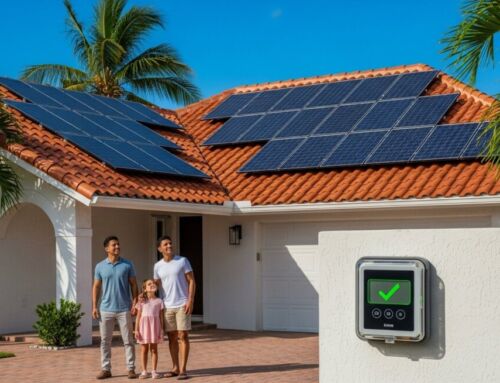
Most modern inverters have a display screen or a mobile app that shows real-time energy production. Green lights typically indicate normal operation, while red or blinking lights signal a problem. Many installers also offer remote monitoring services that alert you to any issues.
Understanding what a solar inverter does is an important part of making an informed decision about solar energy for your home. The right inverter ensures your system runs efficiently, saves you money, and helps you achieve greater energy independence. If you are ready to explore your options, comparing quotes from multiple installers is the smartest way to find the best system and price for your home.