Every year, thousands of homeowners across the United States look at their rising electricity bills and wonder if solar energy is the right move. Yet many hesitate, not because they doubt the technology, but because the path from consideration to installation feels unclear. You might be asking yourself: How do I find reliable installers? What incentives apply in my area? Will my roof even support panels? These questions are exactly why local solar planning matters. Without a structured approach, you risk overpaying for equipment, missing out on tax credits, or choosing a system that does not match your home’s energy profile. The good news is that with the right strategy, you can navigate this process with confidence and start cutting your energy costs sooner than you think.
Solar planning near me is not just a search term. It is the starting point for a journey that can lower your monthly expenses, increase your property value, and reduce your carbon footprint. But planning is more than getting a quote. It involves understanding your energy usage, evaluating your roof’s condition, researching local incentives, comparing financing options, and selecting a certified installer. This article walks you through each step so you can make an informed decision and avoid common pitfalls.
Why Local Solar Planning Matters
Solar energy is inherently local. The amount of sunlight your property receives, the cost of electricity from your utility, the availability of state and city incentives, and even the permitting requirements all vary by location. A system that works well in Arizona might be overkill in the Pacific Northwest. Likewise, a homeowner in California might qualify for different rebates than someone in Texas. This is why generic online advice often falls short. You need a plan tailored to your specific address and circumstances.
When you focus on solar planning near me, you tap into resources that are relevant to your region. Local installers understand the climate patterns, zoning laws, and utility policies that affect your installation. They can also help you navigate net metering agreements, which determine how you get credited for excess energy your panels produce. By starting with a local perspective, you set yourself up for a smoother process and better long-term returns.
Step 1: Assess Your Home’s Solar Potential
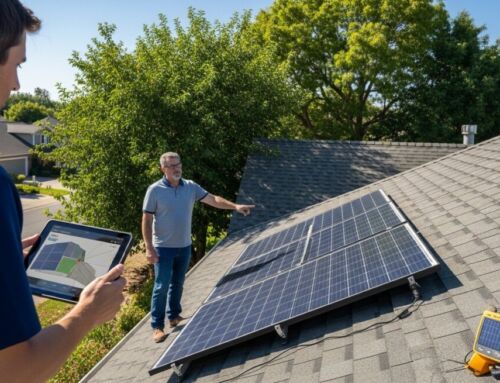
Before you contact any installer, take a close look at your property. Solar panels perform best on roofs that face south or west, have minimal shading from trees or neighboring buildings, and are in good structural condition. You do not need a perfect roof, but knowing your starting point helps you ask the right questions.
Here are the key factors to evaluate:
- Roof orientation and tilt: South-facing roofs with a 15- to 40-degree pitch generally capture the most sunlight. East and west orientations can still work but may produce 20 to 30 percent less energy.
- Shading analysis: Trees, chimneys, and nearby buildings can cast shadows that reduce panel output. Use a solar pathfinder or a free online tool to estimate how much shade your roof gets throughout the day.
- Roof age and condition: If your roof is more than 15 years old or shows signs of damage, consider replacing it before installation. Solar panels last 25 to 30 years, so you want a solid foundation underneath.
- Available space: Measure your roof area to determine how many panels you can fit. A typical residential system requires 300 to 500 square feet.
Once you have this information, you can create a realistic picture of what solar might look like on your property. Many homeowners discover that their home is a better candidate than they expected. Others find that a ground-mounted system or a community solar subscription is a better fit. Either way, this initial assessment saves time and prevents disappointment later.
Step 2: Understand Your Energy Consumption
Your electricity bills tell a story. Gather 12 months of bills to see your seasonal usage patterns. Look at the kilowatt-hours (kWh) you consume each month and note the peak months when your usage spikes, usually summer for air conditioning or winter for heating. This data helps you and your installer size the system correctly.
A properly sized solar system covers most or all of your annual electricity needs. If you oversize, you might generate more power than your utility allows you to bank. If you undersize, you will still pay partial bills. The goal is to match production to consumption as closely as possible. Your installer will use this data to recommend a system size, typically measured in kilowatts (kW). For example, a home that uses 10,000 kWh per year in a sunny region might need a 6 to 7 kW system.
In our guide on solar planning near me: cut energy costs now, we explain how to read your utility bill and identify opportunities for energy efficiency before going solar. Reducing your consumption first means you can install a smaller, less expensive system while still eliminating your electric bill.
Step 3: Research Local Incentives and Policies
The financial case for solar improves dramatically when you factor in incentives. The federal Investment Tax Credit (ITC) currently allows you to deduct 30 percent of your system cost from your federal taxes. But state and local incentives can add even more savings. Some states offer cash rebates, property tax exemptions, sales tax exemptions, or performance-based incentives. Others have strong net metering policies that pay you retail rates for excess energy.
To find what applies to you, search for your state’s solar incentives database or visit the Database of State Incentives for Renewables and Efficiency (DSIRE). Pay attention to the following:
- Net metering caps: Some utilities limit the size of systems that qualify for net metering or the total amount of energy you can sell back.
- Renewable portfolio standards: States with aggressive renewable energy goals often have better incentives.
- Local utility programs: Your electric company may offer rebates or special rate plans for solar customers.
- Property tax exemptions: In many states, the added value of solar panels is exempt from property tax assessments, saving you money annually.
These incentives can reduce your upfront cost by thousands of dollars. However, they change frequently, so verify the current rules before you commit. A local installer who specializes in solar planning near me will know the latest policies in your area and can help you maximize your savings.
Step 4: Explore Financing Options
Solar is more accessible than ever thanks to a variety of financing pathways. You do not need to pay the full system cost upfront unless you want to. Here are the most common options:
- Cash purchase: You buy the system outright and own it from day one. This gives you the highest long-term savings because you avoid interest and fees. The payback period is typically 5 to 8 years.
- Solar loan: You finance the system through a bank, credit union, or solar lender. You own the panels, but you make monthly payments. Many loans have low interest rates and terms of 10 to 20 years.
- Solar lease or power purchase agreement (PPA): A third party owns the system, and you pay a fixed monthly fee or a per-kWh rate for the power it produces. There is little to no upfront cost, but your long-term savings are lower.
Each option has trade-offs. Cash and loans maximize your return on investment, while leases and PPAs require less commitment. Your choice depends on your budget, your credit score, and how long you plan to stay in your home. If you are considering a lease, read the contract carefully for escalation clauses and buyout options.
For a deeper look at financing, read our article on solar installation planning near me: save on energy bills, which breaks down the numbers behind each option and shows real-world examples.
Step 5: Compare Installers and Get Multiple Quotes
Never settle for the first quote you receive. The solar industry is competitive, and prices can vary by 20 percent or more for the same system. Gather at least three quotes from licensed, insured, and certified installers. Look for credentials like NABCEP (North American Board of Certified Energy Practitioners) certification, which indicates advanced training and expertise.
When you compare quotes, look beyond the total price. Examine the equipment being offered: panel brand, efficiency rating, warranty length, and inverter type. Also consider the installer’s reputation. Check online reviews on sites like the Better Business Bureau, Google, and Solar Reviews. Ask for references from recent customers in your area.
During the consultation, the installer should perform a site visit, review your roof and electrical panel, and explain their timeline. A professional who practices thorough solar planning near me will also handle permitting, interconnection applications, and inspections. Make sure these services are included in the quote.
Step 6: Understand Permitting and Installation Timelines
Solar installation is not a same-day process. After you sign a contract, the installer submits permit applications to your local building department. This can take 2 to 6 weeks depending on your city’s workload. Once permits are approved, the installation itself takes 1 to 3 days. After that, your utility must inspect the system and grant permission to operate (PTO), which can add another 2 to 6 weeks.
The total timeline from signing to flipping the switch is usually 4 to 12 weeks. Delays are common, especially during peak seasons like spring and summer. Ask your installer about their average timeline and how they handle unexpected holdups. A transparent installer will keep you updated throughout the process.
Maximizing Your Solar Investment
Once your system is live, your work is not done. Monitor your production regularly using the app or portal provided by your inverter manufacturer. Most systems have performance guarantees, so if output drops below a certain threshold, your installer or manufacturer will address it. Clean your panels if you live in a dusty area or if bird droppings accumulate, but otherwise, solar panels require very little maintenance.
Also, stay informed about changes to net metering policies and tax credits. If your utility changes its rate structure, you might need to adjust your usage habits to maximize savings. Some homeowners add battery storage later to store excess energy for use during peak hours or outages. Planning for future upgrades now can save you money down the road.
Solar energy is one of the most reliable ways to take control of your electricity costs. By following a structured planning process, you reduce the risk of costly mistakes and ensure that your system performs as expected for decades. Start with a clear assessment of your home and energy needs, research your local incentives, compare multiple quotes, and choose a financing path that aligns with your goals.
If you are ready to take the next step, NewSolarQuotes can connect you with certified installers in your area who specialize in solar planning near me. Our free quote request system takes just a few minutes and gives you access to vetted professionals who understand your local market. There is no obligation, and the information you receive can help you make a confident decision. The sun is shining, and your savings are waiting.