You’ve seen your electricity bill creep higher every year. The idea of generating your own clean power and slashing that monthly cost is incredibly appealing. But then a nagging question pops up: can you install solar panels with bad credit? The good news is that your credit score is not an automatic barrier to solar energy. With the right information and options, you can still achieve lower bills and greater energy independence.
Understanding Solar Panel Financing With Bad Credit
First, let’s clarify a common point. When you ask “can you install solar panels with bad credit,” you’re really asking about financing. The physical installation of panels on your roof isn’t blocked by your credit score. However, most homeowners use a loan, lease, or power purchase agreement (PPA) to pay for their system.
Your credit score is a key factor lenders use to assess risk. A lower score might mean fewer traditional loan options or slightly higher interest rates. But it doesn’t mean you’re out of the game. The solar industry has developed several pathways specifically to help more homeowners access solar power, regardless of their credit history.
Why Solar Energy Is Becoming More Popular
Homeowners are turning to solar for powerful, practical reasons. The most immediate is financial relief from ever-rising utility rates. By generating your own electricity, you lock in a predictable energy cost for decades, protecting yourself from future price hikes.
Beyond the wallet, there’s a strong desire for energy independence and environmental stewardship. Solar panels reduce your reliance on the traditional power grid and lower your household’s carbon footprint. Combined with significant long-term savings, these benefits make solar a compelling upgrade for modern homes.
If you are considering solar power for your home, comparing installation quotes can help you understand your options. Request a free solar quote or call to learn more.
Common Questions Homeowners Have About Solar
It’s normal to have questions before making such a significant home improvement. Many people worry about the upfront cost and whether their investment will pay off. Others are unsure if their roof is suitable or if they’ll stay in their home long enough to see the benefits.
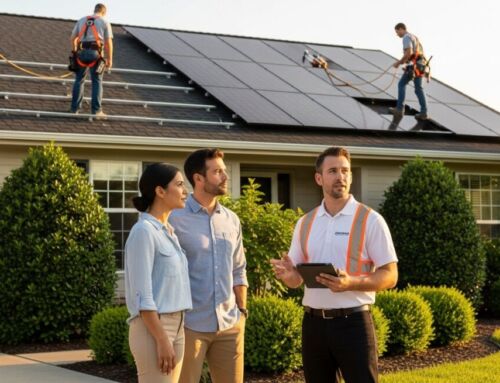
Professional solar installers are experts at answering these questions. They can provide a detailed analysis of your home’s solar potential and projected savings. This personalized information is far more valuable than general estimates you might find online.
- How much will a solar panel system really cost me?
- Is my roof strong enough and facing the right direction?
- Will solar panels work on cloudy days or in winter?
- How long will the installation process take?
- What happens if I sell my house?
- Are there maintenance costs I should know about?
How Solar Panel Installation Works
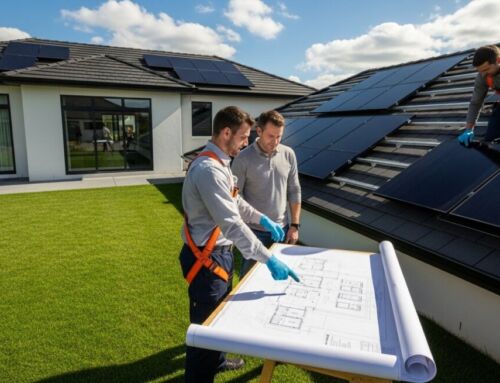
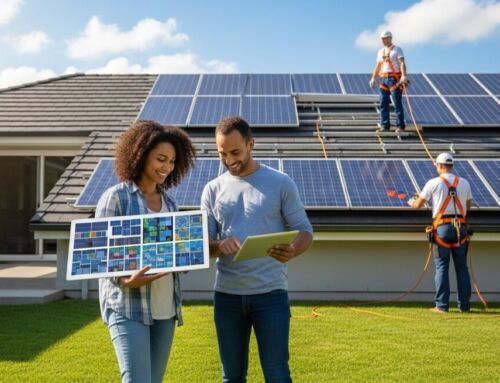
The solar installation process is a coordinated series of steps managed by your chosen company. It begins with a detailed consultation and energy assessment of your home. This ensures the system is designed to meet your specific electricity needs and roof configuration.
From there, the installer handles the heavy lifting: securing permits, ordering equipment, and scheduling the installation. The goal is a seamless experience for you, culminating in the exciting moment you flip the switch and start producing your own power.
- Home Energy Assessment & Consultation: An expert evaluates your roof, electricity usage, and goals.
- System Design & Proposal: A custom solar plan is created, outlining costs, savings, and equipment.
- Permits & Approvals: Your installer secures all necessary local permits and utility interconnection agreements.
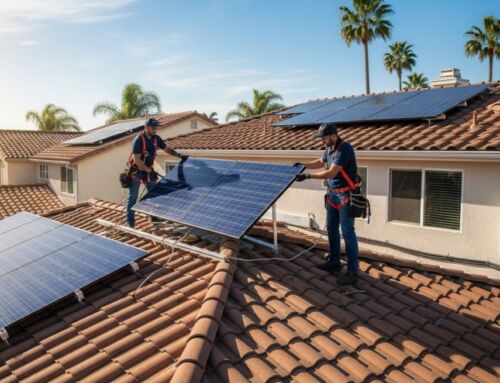
- Panel Installation: A crew mounts the panels, racking, and inverter, typically in 1-3 days.
- Inspections & Activation: After final inspections, your system is connected to the grid and turned on.
Speaking with experienced installers can help you determine the best solar solution for your home. Compare solar quotes here or call to explore available options.
Signs Your Home May Be Ideal for Solar
While most homes can benefit from solar, some characteristics make the investment particularly advantageous. The most obvious is a roof with good, unobstructed exposure to the sun for most of the day. South-facing roofs are often ideal, but east and west can work very well too.
Your current energy spending is another major indicator. If you wince when opening your monthly utility bill, solar can provide substantial relief. The higher your bill, the faster the solar system can pay for itself through generated savings.
- You have a roof in good condition with ample, unshaded space.
- You pay high monthly electricity bills.
- You plan to own your home for the next 5-10 years or more.
- Your local utility has high rates or net metering policies.
- You are interested in reducing your environmental impact.
- Your area offers strong state or local solar incentives.
What Affects Solar Installation Costs
The total cost of your solar system depends on several key factors. The size of the system, measured in kilowatts (kW), is the biggest driver,more panels mean more power and a higher price. The quality and efficiency of the equipment you choose, like panels and inverters, also influence the price.
Don’t forget to factor in financial incentives, which can dramatically lower your net cost. The federal solar tax credit allows you to deduct a significant percentage of the system cost from your federal taxes. Many states and utilities offer additional rebates or performance payments.
The cost of solar installation varies depending on your home and energy needs. Request personalized solar quotes or call to see what options are available.
Tips for Choosing a Reliable Solar Installer
Your installer is your partner in this journey, so choosing a reputable company is crucial. Look for established companies with strong track records in your community. They should be licensed, insured, and certified by major industry organizations.
Always get multiple quotes. This allows you to compare not just price, but also system design, equipment brands, warranty terms, and the company’s customer service approach. A trustworthy installer will be transparent and patient, answering all your questions without high-pressure sales tactics.
- Check for proper licensing, insurance, and certifications (like NABCEP).
- Read online reviews and ask for local customer references.
- Compare the warranty coverage on both equipment and workmanship.
- Get detailed, written proposals from at least three different companies.
- Ensure they handle the entire process, from permits to activation.
Long-Term Benefits of Installing Solar Panels
The long-term advantages of solar extend far beyond the initial installation. The most celebrated benefit is decades of reduced or even eliminated electricity bills. This predictable energy cost acts as a shield against volatile utility rates, providing financial stability.
Solar panels also increase your property value and market appeal. Studies consistently show homes with solar sell faster and for more money. Furthermore, you gain a profound sense of energy independence and contribute directly to a cleaner environment by reducing fossil fuel reliance.
Can I get solar panels with no money down?
Yes, many solar loans, leases, and Power Purchase Agreements (PPAs) offer no-money-down options. These financing models allow you to install solar immediately by paying for the system through monthly payments, which are often lower than your old electric bill. It’s a popular way to start saving without upfront capital.
Will bad credit prevent me from getting solar?
Bad credit may limit some financing options, but it rarely prevents installation entirely. Many installers work with specialized lenders who consider factors beyond just a credit score. Options like solar leases or PPAs, which involve little to no credit check, can also be excellent pathways. For more on specific programs, our guide on free solar panels in Georgia explores similar accessible options.
How much can I really save with solar panels?
Savings depend on your local electricity rates, system size, and sunlight. Most homeowners see a 50-100% reduction in their utility bill. Over 25+ years, total savings often range from $20,000 to $70,000. A professional quote will give you a precise, personalized savings forecast.
What is a solar lease or PPA?
A solar lease or Power Purchase Agreement (PPA) is a arrangement where a company owns the panels on your roof. You pay a fixed monthly rate to lease the equipment or for the power it produces. These options typically require little upfront cost and minimal credit checks, making solar accessible.
Do solar panels require a lot of maintenance?
Solar panels require very little maintenance. They have no moving parts. Occasional rinsing with a garden hose to remove dust or debris is usually sufficient. Most systems include monitoring, so you can see their performance online.
What happens to my solar panels if I move?
If you own your solar system, it becomes a valuable asset that increases your home’s sale price. You can transfer ownership to the new homeowner. If you have a lease or PPA, the agreement can often be transferred to the new qualified homeowner, a process your solar company will facilitate. Understanding the transfer process is key, as detailed in our article about selling a home with solar panels.
Exploring solar power is a smart step toward taking control of your energy costs and future. While financing with less-than-perfect credit requires some research, numerous proven pathways exist. The best way to start is by gathering information tailored to your unique home and situation. By comparing quotes from reputable local installers, you can find a clear, achievable path to solar savings and energy independence.