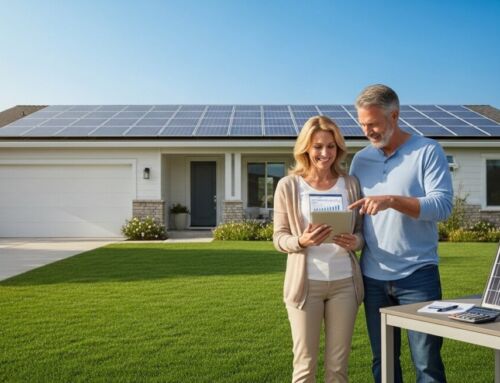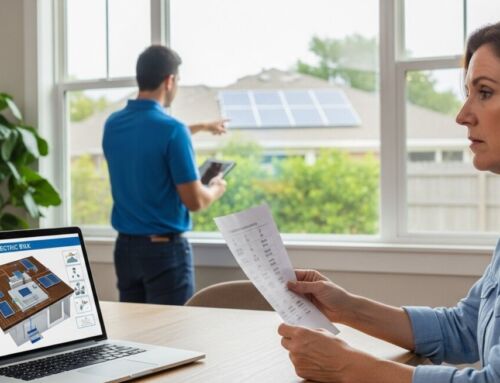
Your monthly electricity bill keeps climbing. You have heard that solar panels can lower those costs, but the upfront price tag feels confusing and overwhelming. Many homeowners start searching for a solar cost comparison website to see if going solar actually makes financial sense.
Reducing your energy bills and becoming less dependent on the power grid are two of the biggest motivators for making the switch. A trustworthy solar cost comparison website helps you cut through the noise by showing you real quotes from multiple installers side by side.
Understanding Solar Cost Comparison Website
A solar cost comparison website is exactly what it sounds like , an online tool that lets you compare installation quotes from different solar companies. Instead of calling each installer individually and trying to remember who offered what, you can see all the details in one place.
These platforms work by asking you a few simple questions about your home, your electricity usage, and your roof. Then they connect you with pre-screened installers who provide customized quotes tailored to your situation.
More homeowners are turning to these comparison tools because they save time, reduce confusion, and help people avoid overpaying for their solar system. When you compare multiple quotes, you gain leverage and clarity before making a big financial decision.
Why Solar Energy Is Becoming More Popular
Electricity rates across the United States have been rising steadily. For many families, the monthly power bill has become one of the largest household expenses. Solar energy offers a way to lock in lower energy costs for decades.
Beyond the financial aspect, more people are concerned about their environmental footprint. Solar panels generate clean electricity without emitting carbon dioxide or other pollutants. This combination of personal savings and environmental responsibility is driving record numbers of homeowners to explore solar.
Long-term savings are also a powerful draw. Although the initial investment can seem high, most solar systems pay for themselves within 7 to 10 years and continue producing free electricity for another 15 to 20 years. That kind of return on investment is hard to ignore.
If you are considering solar power for your home, comparing installation quotes can help you understand your options. Request a free solar quote or call to learn more.
Common Questions Homeowners Have About Solar
Most homeowners have the same concerns when they first start researching solar panels. How much does it really cost? Will my roof work? What happens when the sun is not shining?
The good news is that professional installers deal with these questions every day. They can assess your specific situation and provide honest answers based on years of experience. Trusting a qualified installer is the best way to avoid costly mistakes.
- How much does a solar system cost after incentives?
- Is my roof suitable for solar panels?
- How long will the installation take?
- What happens during a power outage?
- Do solar panels work in cloudy weather?
- How long do solar panels last?
How Solar Panel Installation Works
Installing solar panels is not something you do alone. A professional installer manages the entire process from start to finish. Understanding the steps can help you feel more confident about what to expect.
Each home is unique, so the timeline and specific tasks may vary. But the general process follows a reliable sequence that ensures your system is safe, efficient, and compliant with local codes.
- Home energy assessment , The installer reviews your electricity bills and evaluates your home’s energy usage.
- System design , A custom solar layout is created based on your roof size, angle, and shading.
- Permits and approvals , The installer handles all required permits from your city or county.
- Panel installation , The physical panels, inverters, and wiring are installed on your roof.
- System activation , Once everything passes inspection, the system is turned on and connected to the grid.
Speaking with experienced installers can help you determine the best solar solution for your home. Compare solar quotes here or call to explore available options.
Signs Your Home May Be Ideal for Solar
Not every home is perfectly suited for solar panels, but many are. Certain features make a property especially good for generating solar energy. Knowing these indicators can help you decide whether to move forward with a quote.
Even if your home does not check every box, a professional installer can often find creative solutions. For example, ground-mounted panels or community solar programs can work for homes with shaded or small roofs.
- Strong sunlight exposure , Your roof gets direct sun for most of the day.
- High electricity bills , You pay more than $100 per month on average.
- Suitable roof space , You have at least 300 square feet of usable roof area.
- Long-term home ownership plans , You plan to stay in your home for at least 5 to 7 years.
- Relatively new roof , Your roof is in good condition and will not need replacement soon.
- South-facing roof orientation , A south-facing roof captures the most sunlight throughout the day.
What Affects Solar Installation Costs
The price of a solar system can vary significantly from one home to another. Understanding the factors that influence cost helps you evaluate quotes more intelligently.
System size is the biggest driver. A larger system that covers more of your electricity usage will cost more upfront but also saves more money over time. Equipment quality also matters , premium panels and inverters typically cost more but offer better performance and longer warranties.
Installation complexity can add to the price. A simple roof with easy access is cheaper to install than a steep, complex roof with multiple angles. Local incentives and rebates can dramatically lower your net cost, so it pays to research what is available in your area.
The cost of solar installation varies depending on your home and energy needs. Request personalized solar quotes or call to see what options are available.
Tips for Choosing a Reliable Solar Installer
Choosing the right installer is just as important as choosing the right equipment. A reliable company makes the process smooth and ensures your system performs well for decades.
Start by checking each installer’s experience and reputation. Look for companies that have been in business for at least a few years and have a track record of satisfied customers. Reading online reviews and asking for references can give you valuable insight.
- Review installer experience , Look for companies with at least three years in business.
- Check warranties , Make sure the installer offers workmanship and equipment warranties.
- Read customer reviews , Check Google, Yelp, and the Better Business Bureau for honest feedback.
- Compare multiple quotes , Getting at least three quotes helps you spot fair pricing and avoid overpaying.
- Ask about certifications , Look for NABCEP certification or other industry credentials.
- Understand financing options , A good installer explains cash, loan, and lease options clearly.
Long-Term Benefits of Installing Solar Panels
Once your solar system is up and running, the benefits start accumulating immediately. Your monthly electricity bills drop, and in many cases, you can eliminate them entirely. Over 20 to 25 years, those savings can add up to tens of thousands of dollars.
Solar panels also increase your home’s value. Studies have shown that homes with solar systems sell for more than comparable homes without them. Buyers recognize the value of lower utility bills and are willing to pay a premium.
Beyond the financial side, solar energy gives you a sense of energy independence. You are less affected by utility rate hikes and grid outages. And every kilowatt-hour you generate from the sun reduces your carbon footprint, helping create a cleaner environment for future generations.
How long does it take for solar panels to pay for themselves?
Most homeowners see a payback period of 7 to 10 years. This depends on system cost, local electricity rates, available incentives, and how much sun your roof receives. After that break-even point, the electricity your panels produce is essentially free.
Can I get solar panels installed for free?
There is no such thing as free solar panels. Some companies offer $0-down leases or power purchase agreements, but you do not own the system and may not save as much as buying outright. Comparing quotes from multiple installers helps you find the most cost-effective option.
What happens to solar panels at night?
Solar panels do not produce electricity at night. However, most grid-tied systems use net metering, which credits you for excess power generated during the day. You can then use those credits to offset electricity you use at night.
Do solar panels work during a power outage?
Standard grid-tied solar systems shut down during a power outage for safety reasons. If you want backup power, you will need a battery storage system. Batteries add to the cost but provide energy independence during blackouts.
How much maintenance do solar panels need?
Solar panels require very little maintenance. Rain usually keeps them clean enough, though in dusty areas you may need to rinse them occasionally. Most systems come with monitoring software that alerts you if something goes wrong.
Will solar panels damage my roof?
When installed correctly by a professional, solar panels do not damage your roof. Installers use mounting systems that seal around roof penetrations to prevent leaks. In fact, solar panels can protect the roof area underneath from sun and weather exposure.
Are there government incentives for solar in 2025?
Yes, the federal solar Investment Tax Credit (ITC) allows you to deduct 30% of your solar installation cost from your federal taxes. Many states and local utilities also offer additional rebates and incentives. A solar cost comparison website can help you factor these savings into your quotes.
How do I know if a solar quote is fair?
The best way to know if a quote is fair is to compare it against at least two or three other quotes from different installers. Look at the total cost, equipment quality, warranty terms, and financing options side by side. A solar cost comparison website makes this process simple.
Making the switch to solar is one of the smartest financial and environmental decisions a homeowner can make. By using a solar cost comparison website, you can see exactly what different installers offer and choose the best system for your home and budget. Take the first step today and compare solar quotes to start saving on electricity bills.