Imagine opening your monthly electricity bill and seeing a number that keeps climbing higher. For many homeowners, rising utility rates have turned a routine expense into a growing source of frustration. That is why more people are searching for a solar cost breakdown by system size to understand how they can reduce their energy bills and gain more control over their household budget. Solar panels offer a path to lower monthly costs and greater independence from the power grid.
Understanding Solar Cost Breakdown by System Size
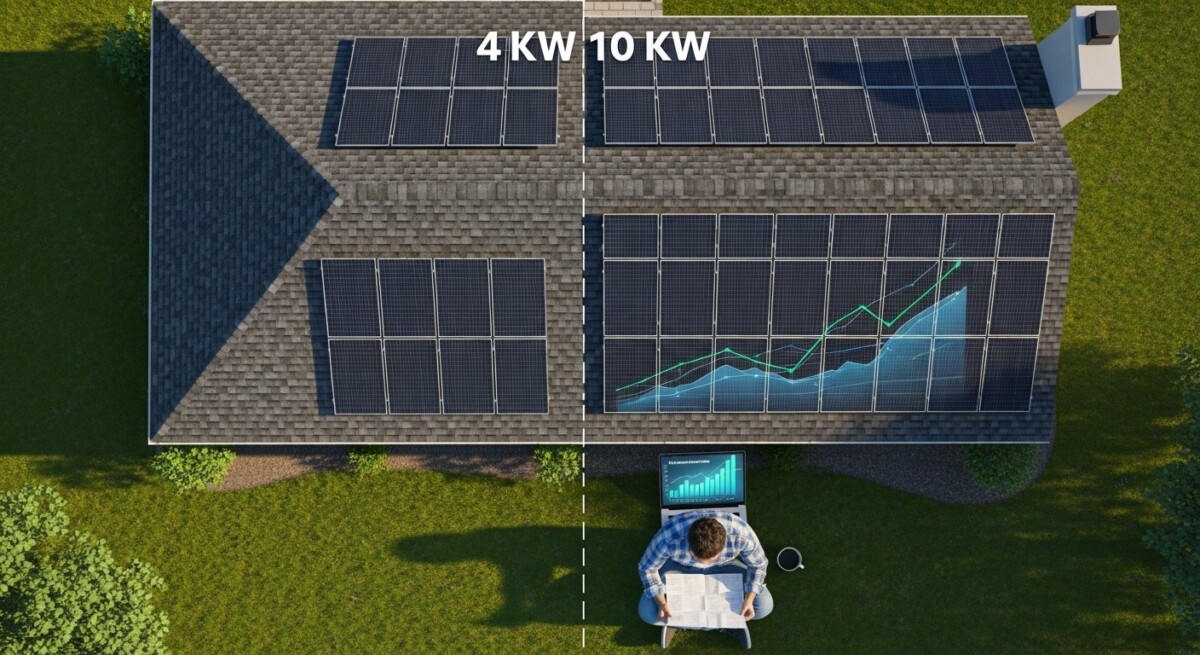
A solar cost breakdown by system size simply means comparing the total price of a solar installation based on how many kilowatts (kW) of panels you install. System size directly affects upfront cost, energy production, and long-term savings. For example, a 5 kW system costs less than a 10 kW system, but it also produces less electricity.
Homeowners typically choose system sizes ranging from 4 kW to 12 kW, depending on their household energy consumption and roof space. The average cost per watt has dropped significantly in recent years, making solar more accessible than ever. Understanding this breakdown helps you match the right system to your home’s energy needs without overpaying.
How System Size Impacts Your Investment
Larger systems generate more electricity, which means greater potential savings on your electric bill. However, they also require a higher initial investment. A detailed solar cost breakdown by system size shows that while a 6 kW system might cost around $15,000 before incentives, an 8 kW system could run closer to $20,000. The key is finding your sweet spot where savings exceed the upfront cost within a reasonable payback period.
Why Solar Energy Is Becoming More Popular
Rising electricity prices are pushing homeowners to look for alternatives. Solar energy offers a way to lock in lower energy costs for decades, shielding you from future rate hikes. Beyond the financial angle, many families are drawn to the environmental benefits of generating clean, renewable power right on their roof.
Long-term savings are another major driver. Most solar systems pay for themselves within 6 to 10 years and continue producing free electricity for 25 years or more. This combination of financial and environmental rewards explains why solar adoption has surged across the United States.
If you are considering solar power for your home, comparing installation quotes can help you understand your options. Request a free solar quote or call to learn more.
Common Questions Homeowners Have About Solar
Many homeowners wonder whether solar panels are worth the investment. The most frequent concerns include installation cost, roof suitability, and how well the system will perform in different weather conditions. These are valid questions that professional installers can address during a consultation.
Another common worry is whether solar panels will damage the roof. In reality, qualified installers use mounting systems that protect your roof and are often covered by warranties. Performance concerns are also manageable, since modern panels work efficiently even on cloudy days and in less-than-ideal sunlight.
- How much does a typical solar system cost?
- Will solar panels work on my roof type?
- How long does installation take?
- What happens during a power outage?
- Do I need a battery with my solar system?
- How much can I really save on my electric bill?
How Solar Panel Installation Works
The installation process is straightforward when handled by experienced professionals. It begins with a home energy assessment to evaluate your electricity usage and roof characteristics. From there, the installer designs a system tailored to your needs and handles all necessary permits.
Once the design is approved, the physical installation typically takes one to three days. After the panels are mounted and connected to your electrical panel, the system is inspected and activated. The entire process from consultation to turn-on usually takes four to eight weeks.
- Home energy assessment and site evaluation
- Custom system design and equipment selection
- Permit applications and utility approvals
- Professional panel and inverter installation
- Final inspection and system activation
Speaking with experienced installers can help you determine the best solar solution for your home. Compare solar quotes here or call to explore available options.
Signs Your Home May Be Ideal for Solar
Not every home is perfect for solar, but many are better suited than homeowners realize. A south-facing roof with minimal shade and good sun exposure is ideal. If your electricity bills are high and you plan to stay in your home for several years, solar becomes an even smarter investment.
Roof age and condition also matter. If your roof needs replacement soon, it is often wise to do that before installing panels. Homeowners with newer roofs and ample unshaded space are prime candidates for solar energy.
- Consistent, strong sunlight exposure on your roof
- Monthly electricity bills above $100
- Sufficient roof space facing south, east, or west
- Plans to stay in your home for at least five more years
- No major shading from trees or nearby buildings
- Access to local solar incentives or net metering programs
What Affects Solar Installation Costs
System size is the biggest factor in solar installation costs, but it is not the only one. Equipment quality also plays a major role,premium panels and inverters cost more but often deliver better efficiency and longer warranties. Installation complexity, such as roof type or electrical panel upgrades, can add to the price.
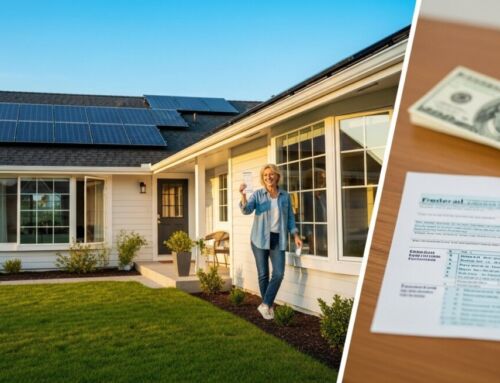
Local incentives and rebates can significantly reduce your out-of-pocket expense. The federal solar tax credit allows you to deduct 30% of the installation cost from your federal taxes. Additionally, some states and utilities offer cash rebates or performance-based incentives that lower the net cost further.
The cost of solar installation varies depending on your home and energy needs. Request personalized solar quotes or call to see what options are available.
Tips for Choosing a Reliable Solar Installer
Selecting the right installer is just as important as choosing the right system. A trustworthy company will provide clear pricing, explain the solar cost breakdown by system size, and offer solid warranties. Look for installers with several years of experience and a strong local reputation.
Reading customer reviews and asking for references can help you avoid costly mistakes. Comparing multiple quotes is essential because prices and service quality vary widely. A good installer will help you navigate incentives and design a system that fits your budget and goals.
- Verify the installer’s license, insurance, and certifications
- Check warranty terms for panels, inverters, and workmanship
- Read recent customer reviews on independent platforms
- Request and compare at least three detailed quotes
- Ask about the installer’s experience with your roof type
Long-Term Benefits of Installing Solar Panels
The most immediate benefit of solar panels is lower electricity bills. Once your system is paid off, the electricity it generates is essentially free, saving you thousands over its lifespan. Solar also increases your home’s resale value, with studies showing that buyers are willing to pay a premium for homes with owned solar systems.
Beyond financial gains, solar energy reduces your household’s carbon footprint. Generating your own clean power cuts reliance on fossil fuels and supports a healthier environment. Finally, solar gives you a degree of energy independence, insulating you from volatile utility rates and grid disruptions.
Frequently Asked Questions
How much does a 6 kW solar system cost?
A 6 kW solar system typically costs between $12,000 and $16,000 before the federal tax credit. After applying the 30% tax credit, the net cost drops to roughly $8,400 to $11,200. Prices vary based on equipment quality, installer, and location.
What is the average solar cost breakdown by system size?
Smaller systems like 4 kW cost around $10,000 to $13,000 before incentives, while 10 kW systems range from $22,000 to $28,000. The cost per watt generally decreases as system size increases, making larger systems more cost-effective per unit of energy produced.
How long do solar panels last?
Most solar panels come with performance warranties lasting 25 to 30 years, and they often continue producing electricity beyond that period. Panels degrade slowly, typically losing about 0.5% to 0.8% efficiency per year. With proper maintenance, your system can generate power for decades.
Will solar panels work during a power outage?
Standard grid-tied solar systems shut off during a power outage to protect utility workers. If you want backup power, you need a solar battery system that can operate independently. Batteries add to the upfront cost but provide energy security during blackouts.
How much can I save on my electricity bill with solar?
Savings depend on system size, local electricity rates, and your household energy usage. Many homeowners reduce their electric bills by 50% to 90% or even eliminate them entirely. On average, solar users save $1,000 to $2,000 per year.
Do I need to clean my solar panels?
Solar panels are self-cleaning to some degree, as rain washes away dust and debris. In most climates, occasional cleaning once or twice a year is sufficient. If you live in a dusty area or have heavy pollen, more frequent cleaning may boost production.
What incentives are available for solar installation?
The federal solar investment tax credit (ITC) allows you to deduct 30% of your system cost from federal taxes. Many states offer additional rebates, performance-based incentives, or property tax exemptions. Some utilities also provide net metering credits for excess power sent to the grid.
How do I choose the right solar system size for my home?
Your ideal system size depends on your average monthly electricity usage, roof space, and budget. A professional installer will review your utility bills and perform a site assessment to recommend the best size. Comparing quotes from multiple installers helps ensure you get the right fit.
Switching to solar energy is one of the most impactful decisions you can make for your home and your wallet. By understanding the solar cost breakdown by system size, you can choose a system that fits your budget and maximizes your savings. The best way to get started is to compare quotes from trusted installers in your area.