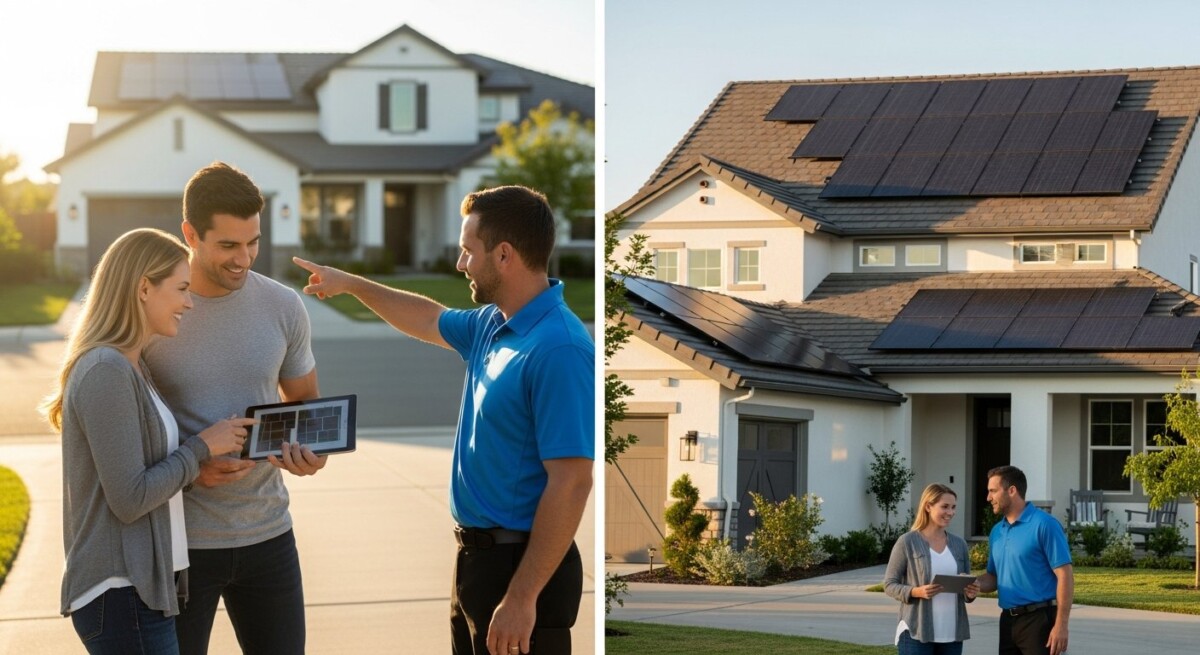
Imagine opening your monthly electricity bill and seeing a number that keeps climbing higher. For many homeowners, rising energy costs have turned a routine expense into a growing frustration. That is why more people are searching for solar panel financing for homeowners as a practical way to take control of their power bills and reduce reliance on the grid. Solar energy offers a path to long-term savings, energy independence, and a cleaner environment,all without paying the full system cost upfront.
Understanding Solar Panel Financing for Homeowners
Solar panel financing refers to the various options that allow homeowners to install a solar energy system without paying the entire cost at once. Instead of writing a large check on day one, you can spread payments over time through loans, leases, or power purchase agreements. This approach makes solar energy accessible to more households, regardless of their available cash reserves.
With a solar loan, you own the system from the start and typically pay a fixed monthly amount. Leases and power purchase agreements let you use the panels while a third party owns them, and you pay a lower rate for the electricity generated. More homeowners are choosing financing because it aligns the upfront cost with the monthly savings they gain on their utility bills.
How Solar Panel Financing Works
The basic idea is simple: you borrow money to pay for the solar installation, then use the savings on your electricity bill to cover the loan payment. Over time, your monthly savings often exceed the loan payment, putting money back in your pocket. Federal and state incentives, such as the federal solar tax credit, can further reduce your net cost and accelerate your payback period.
Why Solar Energy Is Becoming More Popular
Electricity rates have been rising steadily across the country, and many homeowners see solar as a hedge against future increases. By generating your own power, you lock in a lower rate for decades and protect yourself from volatile energy markets. The financial appeal is clear: a properly sized solar system can eliminate or drastically reduce your monthly electric bill.
Beyond the numbers, environmental concerns are driving adoption. Solar energy produces no greenhouse gas emissions during operation, which helps homeowners shrink their carbon footprint. The combination of personal savings and environmental responsibility makes solar one of the most attractive home improvements available today.
If you are considering solar power for your home, comparing installation quotes can help you understand your options. Request a free solar quote or call (866) 867-8467 to learn more.
Common Questions Homeowners Have About Solar
Many homeowners wonder whether solar panels will work on their roof and how much the installation will cost. The good news is that modern solar technology is efficient and adaptable to most roof types, including asphalt shingles, tile, and metal. A professional installer will evaluate your roof’s age, orientation, and shading to design a system that maximizes energy production.
Another frequent concern is system performance during cloudy days or at night. Solar panels still generate electricity on overcast days, though at a reduced rate. Net metering programs allow you to send excess power back to the grid and earn credits that you can use when the sun is not shining, ensuring a steady supply of clean energy around the clock.
- How much does a solar system cost after incentives?
- Will solar panels work on my roof type?
- What happens during a power outage?
- How long does the installation take?
- Do I need to replace my roof before installing solar?
- What warranties come with solar panels and inverters?
How Solar Panel Installation Works
Installing solar panels is a straightforward process that typically takes one to three days once the design and permits are complete. A professional team handles everything from the initial energy assessment to the final connection with your utility company. You do not need to be a solar expert,the installer guides you through each step.
The first stage is a home energy audit to determine your average electricity usage and the size of the system you need. After that, the installer designs the layout, submits permit applications, and schedules the installation. Once the panels are mounted and wired, your utility company inspects the system and activates net metering.
- Home energy assessment to review your past utility bills and roof condition
- System design tailored to your roof orientation and energy goals
- Permits and approvals from your local building department and utility
- Panel installation by a certified crew, including racking, wiring, and inverter setup
- System activation after utility inspection and approval
Speaking with experienced installers can help you determine the best solar solution for your home. Compare solar quotes here or call (866) 867-8467 to explore available options.
Signs Your Home May Be Ideal for Solar
Not every home is equally suited for solar, but most can benefit with the right system design. The best candidates have a south-facing roof with minimal shading from trees or nearby buildings. If your roof gets at least four to five hours of direct sunlight per day, you are likely a strong candidate for solar energy.
High electricity bills are another clear indicator that solar could save you money. If you pay more than $100 per month for electricity, installing panels can provide meaningful financial relief. Homeowners who plan to stay in their house for at least five to seven years also benefit most from the long-term savings.
- Your roof receives strong, direct sunlight for most of the day
- Your monthly electricity bills are consistently high
- You have adequate roof space in good condition
- You plan to stay in your home for several years
- Your local utility offers net metering or other solar incentives
- You want to reduce your carbon footprint
What Affects Solar Installation Costs
Solar system prices vary based on the size of the system, the quality of the equipment, and the complexity of your roof. A larger system that covers 100% of your electricity usage costs more than a smaller setup, but it also delivers greater savings over time. High-efficiency panels and premium inverters add to the upfront cost but can produce more power and last longer.
Installation complexity also plays a role,roofs with multiple angles, skylights, or difficult access require more labor and materials. Local incentives, including state tax credits, rebates, and performance-based incentives, can reduce your net cost by thousands of dollars. Financing options like low-interest solar loans make it easier to manage the remaining expense.
The cost of solar installation varies depending on your home and energy needs. Request personalized solar quotes or call (866) 867-8467 to see what options are available.
Tips for Choosing a Reliable Solar Installer
Choosing the right installer is one of the most important decisions you will make. A trustworthy company will have proper licensing, insurance, and a track record of satisfied customers. Look for installers who offer comprehensive warranties on both the equipment and the workmanship, typically 25 years for panels and 10 years for labor.
Reading online reviews and asking for references can give you confidence in your choice. Avoid high-pressure sales tactics or companies that demand large deposits before work begins. The best installers will take the time to answer your questions and customize the system to your home, not a one-size-fits-all solution.
- Review the installer’s experience and certifications, such as NABCEP
- Check warranty coverage for panels, inverters, and installation labor
- Read customer reviews on independent platforms like Google or Yelp
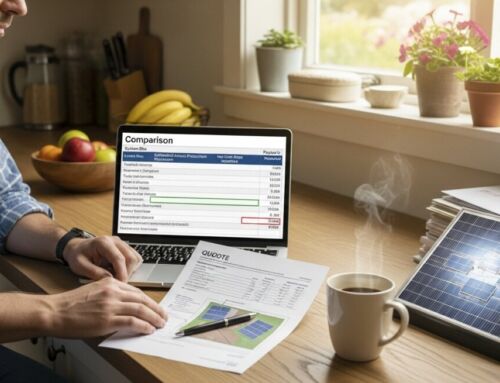
- Compare at least three quotes to find the best value and terms
Long-Term Benefits of Installing Solar Panels
The most immediate benefit of solar panels is the reduction in your monthly electricity bills. Over the 25- to 30-year lifespan of a typical system, those savings can add up to tens of thousands of dollars. Once the system is paid off, the electricity it generates is essentially free, providing decades of pure financial gain.
Solar panels also increase your home’s resale value. Studies show that homes with solar systems sell for a premium compared to similar homes without them. On top of the financial rewards, you gain energy independence and the satisfaction of contributing to a cleaner, more sustainable future.
What is the average cost of solar panel installation?
The average cost of a residential solar system in the United States ranges from $15,000 to $25,000 before incentives, depending on system size and location. After applying the federal solar tax credit of 30%, the net cost drops significantly. Financing options can reduce or eliminate the need for a large upfront payment.
Can I finance solar panels with bad credit?
Yes, some solar lenders offer options for homeowners with less-than-perfect credit, though interest rates may be higher. Leases and power purchase agreements typically have less stringent credit requirements because the installer owns the equipment. It is worth exploring multiple financing partners to find terms that work for your situation.
How long do solar panels last?
Most solar panels carry a performance warranty of 25 years, and many continue producing electricity well beyond that period, though at a slightly reduced efficiency. Inverters usually need replacement after 10 to 15 years. With proper maintenance, your solar system can deliver clean energy for 30 years or more.
Will solar panels work during a blackout?
Standard grid-tied solar systems shut down during a blackout to protect utility workers. However, if you install a battery storage system, you can keep critical appliances running when the grid goes down. Batteries also allow you to store excess solar energy for use at night or during peak rate hours.
Do I need to clean my solar panels?
Solar panels are self-cleaning to a large extent,rain typically washes away dust and pollen. In dry or dusty climates, occasional cleaning with a hose or soft brush can improve performance. Most systems lose only 2,5% efficiency due to dirt, so cleaning is rarely urgent.
What incentives are available for solar in 2025?
The federal solar tax credit offers 30% of the system cost as a credit on your federal income taxes. Many states also offer additional rebates, performance payments, or property tax exemptions. Local utility companies may provide net metering or time-of-use rates that further improve your savings.
Solar energy is one of the smartest investments you can make for your home and your wallet. By comparing quotes from multiple installers, you ensure you get the best equipment, financing terms, and service for your unique situation. Take the first step today and explore how solar panel financing for homeowners can turn rising energy costs into lasting savings.