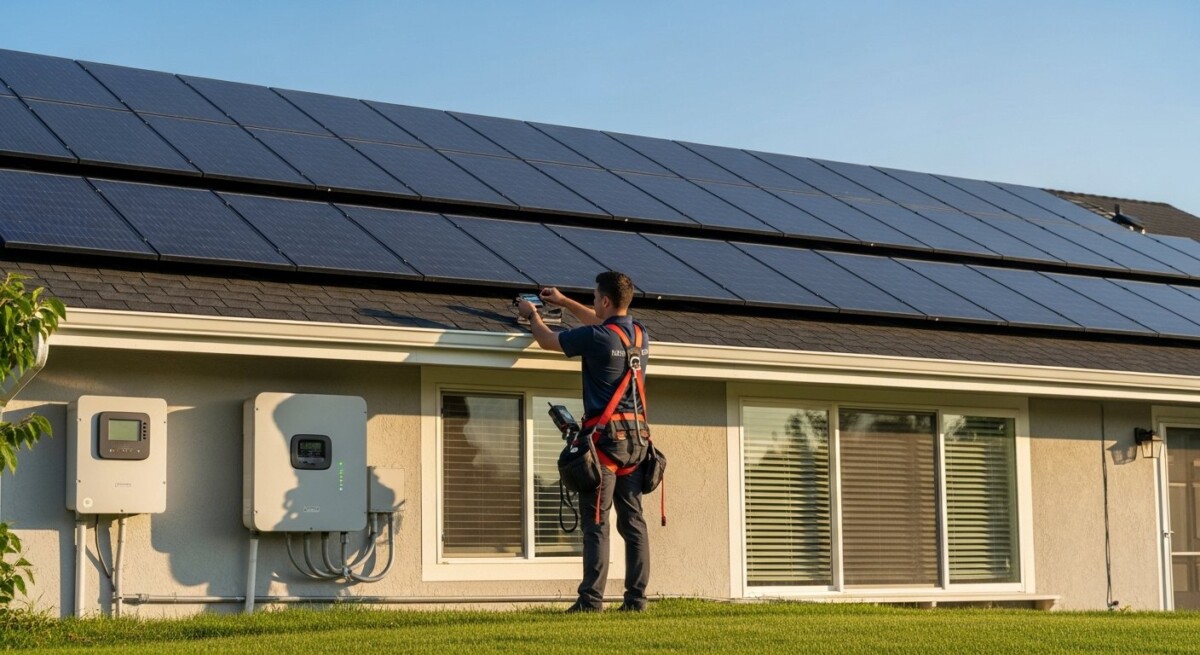
If you own a large home, you’re likely no stranger to high electricity bills. As energy costs continue to rise, more homeowners are looking for a reliable way to take control of their energy use. Installing a solar panel system for your large home is a powerful solution that can significantly reduce your monthly bills and decrease your dependence on the traditional power grid.
Understanding Solar Panel Systems for Large Homes
A solar panel system for a large home is a customized setup designed to meet the higher energy demands of a spacious property. It typically involves installing more solar panels and a more powerful inverter than a standard residential system. The goal is to generate a substantial portion, if not all, of the electricity your household consumes throughout the year.
These systems work by converting sunlight into direct current (DC) electricity. An inverter then transforms that DC power into the alternating current (AC) electricity that powers your home. Any excess energy you generate can often be sent back to the grid for credits or stored in a home battery for use at night or during outages.
What Does “System Size” Mean?
System size is measured in kilowatts (kW), which indicates its power output capacity. A large home often requires a system between 8kW and 15kW or more. The right size depends on your past energy usage, roof space, and goals for energy independence.
Why Solar Energy Is Becoming More Popular
Homeowners are turning to solar power for several compelling reasons. First and foremost, electricity prices are unpredictable and tend to increase over time. By generating your own power, you lock in a predictable energy cost for decades, protecting yourself from future rate hikes.
Beyond financial savings, there is a growing desire to reduce one’s environmental footprint. Solar energy is clean, renewable, and produces no greenhouse gas emissions during operation. For many, the combination of long-term savings, increased home value, and environmental stewardship makes solar an attractive investment.
If you are considering solar power for your home, comparing installation quotes can help you understand your options. Request a free solar quote or call to learn more.
Common Questions Homeowners Have About Solar
It’s normal to have questions before making a significant home upgrade. Many homeowners wonder about the upfront cost and how long it will take to see a return on their investment. Others are concerned about whether their roof is suitable or if solar panels will work on cloudy days.
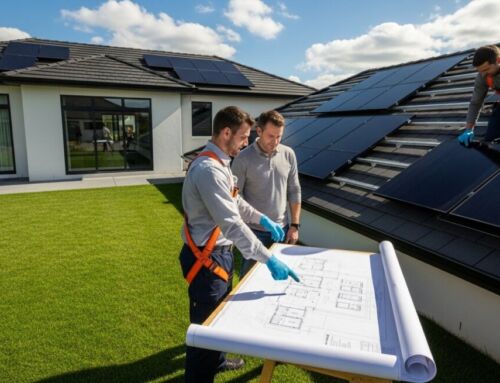
Professional installers are experts at answering these questions and designing a system that fits your specific situation. They can assess your roof’s condition, orientation, and shading to give you a clear picture of your home’s solar potential. Understanding the dimensions and layout of modern solar panels is also key to maximizing your available roof space efficiently.
- How much does a system for a large home cost?
- Will solar panels work if my roof isn’t perfectly south-facing?
- What happens during a power outage?
- How long will the installation process take?
- Do I need to replace my roof first?
- How much maintenance do solar panels require?
How Solar Panel Installation Works
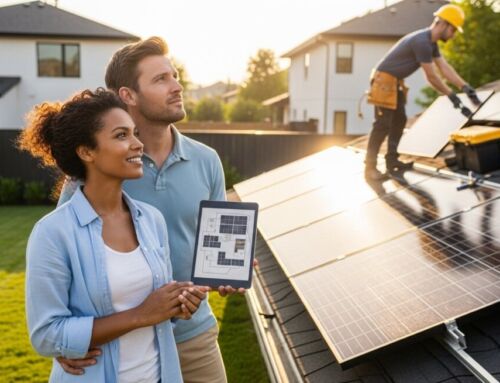
The installation process is managed start-to-finish by your chosen solar company. It begins with a detailed consultation and energy assessment of your home. This ensures the system is perfectly sized to match your consumption patterns and financial goals.
Once you approve the design, the installer handles all the necessary permits and paperwork. The physical installation is typically completed in just a few days, with minimal disruption to your household. After a final inspection by your local utility, your system is activated and starts saving you money immediately.
- Home Energy Assessment & Consultation: Review your bills, assess your roof, and discuss your goals.
- System Design & Proposal: Receive a custom system layout, equipment recommendations, and a detailed cost estimate.
- Permits & Approvals: Your installer secures all required building permits and utility interconnection agreements.
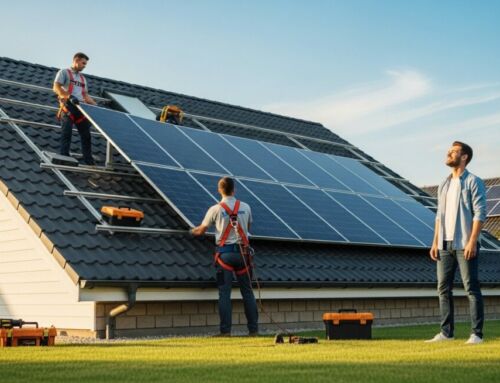
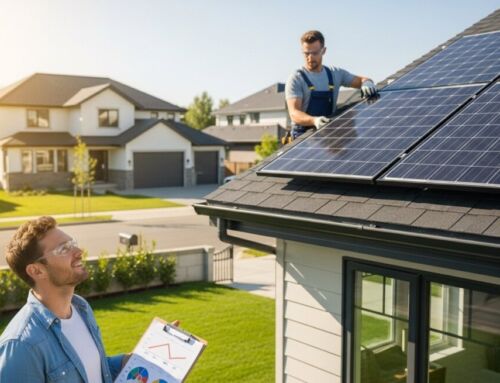
- Panel & Equipment Installation: The racking, panels, inverter, and wiring are professionally installed.
- Final Inspection & Activation: The system is inspected and granted permission to operate (PTO) by the utility company.
Speaking with experienced installers can help you determine the best solar solution for your home. Compare solar quotes here or call to explore available options.
Signs Your Home May Be Ideal for Solar
Certain characteristics make a home particularly well-suited for a solar panel system. The most obvious is a roof with strong, unobstructed exposure to sunlight for most of the day. A south-facing roof is ideal in the Northern Hemisphere, but east and west-facing roofs can also be highly effective.
If you have high monthly electricity bills, you stand to gain the most significant savings from solar. The higher your current cost, the faster the system can pay for itself. Homeowners who plan to stay in their homes for the long term are also perfect candidates, as they can maximize the decades of financial benefits.
- You have high, consistent monthly electricity bills.
- Your roof is in good condition and receives ample sunlight.
- You have sufficient, unshaded roof space (often 400+ square feet).
- You plan to own your home for 7-10+ years.
- You are interested in reducing your carbon footprint.
- Your local utility offers favorable net metering policies.
What Affects Solar Installation Costs
The total cost of a solar panel system for a large home depends on several key factors. The system’s size, measured in kilowatts, is the primary driver,a larger home requires a larger system. The quality and efficiency of the equipment you choose, such as premium panels or microinverters, also influence the price.
Installation complexity, like a steep or multi-level roof, can add to labor costs. Crucially, available government incentives, like the federal solar tax credit, and local utility rebates can substantially reduce your net cost. It’s important to get detailed quotes that break down all these factors.
The cost of solar installation varies depending on your home and energy needs. Request personalized solar quotes or call to see what options are available.
Tips for Choosing a Reliable Solar Installer
Selecting the right installer is as important as choosing the right equipment. A reputable company will ensure your system is designed correctly, installed safely, and performs optimally for years to come. They will be your partner for the lifetime of the system, especially if any issues arise.
Always check for proper licensing and insurance. Read customer reviews and ask for references from past clients with similar homes. A trustworthy installer will provide clear, detailed proposals and answer all your questions without high-pressure sales tactics.
- Choose an installer with extensive local experience and a strong track record.
- Verify they are properly licensed, bonded, and insured.
- Review warranties carefully, covering both equipment and workmanship.
- Read independent customer reviews and ask for references.
- Always compare multiple detailed quotes before making a decision.
Long-Term Benefits of Installing Solar Panels
The most immediate benefit of solar is reducing or even eliminating your electricity bill. Over 25+ years, these savings can amount to tens of thousands of dollars, providing an excellent return on investment. Solar panels also increase your property value, with studies showing buyers are willing to pay more for homes with solar installed.
Beyond finances, solar power grants you a degree of energy independence. You become less vulnerable to rising utility rates and grid instability. Paired with a battery, your home can maintain power during outages. Finally, you’ll have the satisfaction of significantly reducing your household’s carbon emissions, contributing to a cleaner environment.
How long do solar panels last?
Most high-quality solar panels come with a 25-year performance warranty, guaranteeing they will still produce a significant amount of power at that age. The system itself can often continue functioning reliably for 30 years or more with minimal maintenance.
Can I power my entire large home with solar?
Yes, it is absolutely possible. By properly sizing your system based on your historical energy consumption, you can design a solar panel array that meets 100% of your annual electricity needs. Modern, high-efficiency panels make this easier than ever for energy-intensive homes.
What is net metering?
Net metering is a billing arrangement with your utility company. When your solar panels produce more electricity than your home is using, the excess is sent to the grid. Your meter runs backward, giving you credits that offset the cost of power you draw from the grid at night or on cloudy days.
Do solar panels require a lot of maintenance?
Solar panels require very little maintenance. Occasional rinsing with a garden hose to remove dust, pollen, or bird droppings is usually sufficient to keep them operating at peak efficiency. Most installers recommend an annual visual inspection.
What happens if I sell my home?
Solar panels are a proven home value booster. Studies consistently show that homes with solar sell faster and for more money than comparable homes without. The remaining warranty and the promise of low energy bills are attractive selling points for potential buyers.
Are there financing options available?
Yes. Many homeowners choose to finance their solar panel system with a solar loan, which allows for ownership with little to no money down while still capturing the full financial benefits. Other options include leases or Power Purchase Agreements (PPAs), but owning the system typically provides the greatest long-term value.
Investing in a solar panel system for your large home is a smart decision that pays dividends for decades. It provides control over a major household expense, increases your property’s value, and contributes to a sustainable future. The best way to start is by gathering information tailored to your specific home. By comparing detailed quotes from reputable local installers, you can make a confident, informed choice that will benefit your household for years to come.