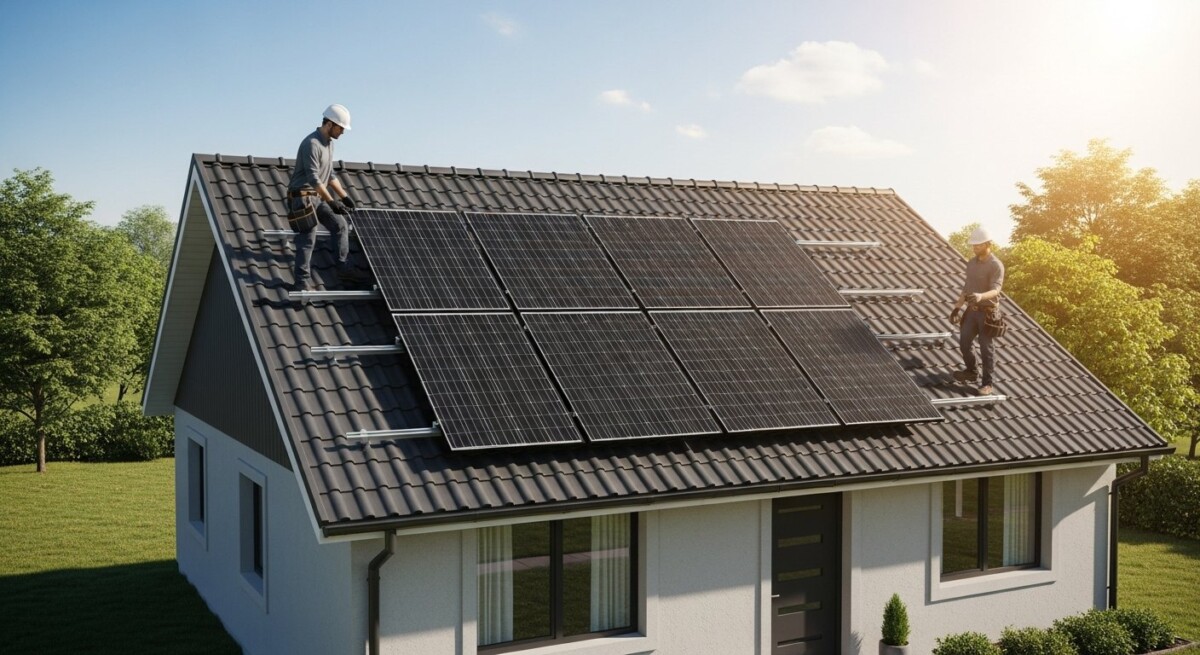
Have you noticed your electricity bill creeping higher every month? You’re not alone. Many homeowners are searching for a reliable way to reduce their energy costs and gain more control over their household budget. For those with smaller properties, a solar panel system for a small home offers a powerful solution. It’s a practical step toward slashing your monthly bills and becoming less dependent on the unpredictable power grid.
Understanding Solar Panel Systems for Small Homes
A solar panel system for a small home is a customized energy solution designed to fit the space and power needs of a compact residence. It captures sunlight and converts it into clean electricity you can use to power your lights, appliances, and devices. This technology allows you to generate your own power right on your roof, turning your home into a mini power station.
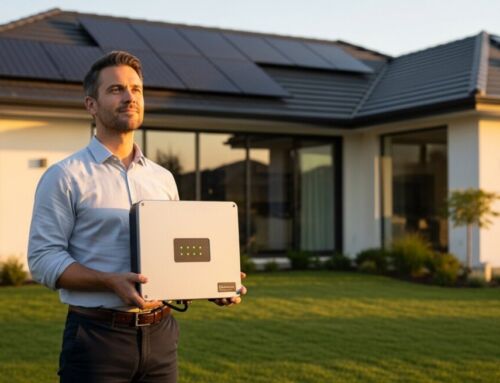
The system works through photovoltaic (PV) panels, which create direct current (DC) electricity when sunlight hits them. An inverter then converts this DC power into the alternating current (AC) electricity that your home uses. Any extra electricity you produce can often be sent back to the grid for credit or stored in a battery for use at night, maximizing your savings and self-sufficiency.
What Does “Small System” Really Mean?
“Small” refers to the system’s size and power output, not its effectiveness. These systems are typically sized between 3 to 6 kilowatts (kW), which is perfect for the energy profile of a smaller household. They are designed to make efficient use of limited roof space while still covering a significant portion, if not all, of your annual electricity consumption.
Why Solar Energy Is Becoming More Popular
Homeowners are turning to solar power for several compelling reasons. First and foremost, electricity prices continue to rise with no sign of stopping. Installing solar panels locks in a predictable cost for your energy for decades, protecting you from future rate hikes. It’s a smart financial hedge that pays for itself over time.
Beyond the wallet, environmental concerns are a major driver. Solar energy produces no air pollution or greenhouse gases during operation. By choosing solar, you directly reduce your household’s carbon footprint and contribute to cleaner air and a healthier planet. It’s a tangible action you can take for a sustainable future.
The long-term savings are undeniable. While there is an upfront investment, solar panels have a lifespan of 25 years or more. Over that time, the money you save on electricity bills can far exceed the initial cost, resulting in substantial net gains. It’s an investment in your home that pays reliable dividends.
If you are considering solar power for your home, comparing installation quotes can help you understand your options. Request a free solar quote or call to learn more.
Common Questions Homeowners Have About Solar
It’s normal to have questions before making a significant home upgrade. Many homeowners wonder about the upfront cost and how long it will take to see a return on their investment. Others are concerned about whether their roof gets enough sun or if it’s even strong enough to support the panels.
Performance is another common area of inquiry. People want to know if solar works on cloudy days and how much power they can realistically expect to generate. Understanding these factors is key to setting realistic expectations and ensuring your system meets your energy goals.
- How much does a solar panel system for a small home cost?
- Is my roof suitable for solar panels?
- Will solar panels work during a power outage?
- How much will I really save on my electricity bill?
- What maintenance do solar panels require?
- How do government incentives and rebates work?
How Solar Panel Installation Works
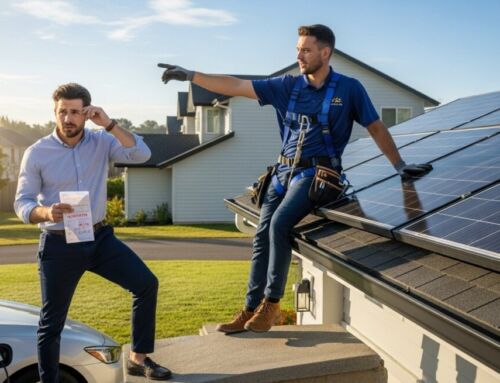
The installation process is straightforward when handled by qualified professionals. It begins with an expert evaluating your home’s energy use and solar potential. This ensures the system is perfectly tailored to your needs, avoiding the costly mistake of installing a system that’s too large or too small.
From there, the installer handles all the logistics, from designing the layout to securing the necessary permits. The actual installation is typically quick, causing minimal disruption to your daily life. Once installed and inspected, your system is activated, and you can start generating clean power immediately.
- Home Energy Assessment & Consultation: A specialist reviews your electricity bills and evaluates your roof.
- System Design & Proposal: A custom system is designed, and a detailed quote is provided.
- Permits & Approvals: Your installer secures all local permits and utility interconnection agreements.
- Panel Installation: The racking, panels, inverter, and wiring are professionally installed.
- Inspections & Activation: The system is inspected and then turned on by your utility company.
Speaking with experienced installers can help you determine the best solar solution for your home. Compare solar quotes here or call to explore available options.
Signs Your Home May Be Ideal for Solar
Certain conditions make a home a perfect candidate for solar energy. The most important factor is access to strong, unobstructed sunlight for the majority of the day. A south-facing roof is ideal in the Northern Hemisphere, but east and west-facing roofs can also work very well.
If you have high electricity bills, solar panels can provide the most dramatic financial relief. The more you currently pay for power, the faster your solar investment will pay for itself. Owning your home and planning to stay for several years also makes solar a wise long-term investment.
- Your roof receives direct sunlight for at least 5-6 hours per day.
- You have a monthly electricity bill you’d like to reduce.
- Your roof is in good condition and has adequate, unshaded space.
- You plan to own your home for the next 5-10+ years.
- Your local utility has high electricity rates or favorable net metering policies.
- You are interested in increasing your property value and energy independence.
What Affects Solar Installation Costs
The total cost of your solar panel system is influenced by several key factors. The size of the system, measured in kilowatts, is the primary driver,a larger system that produces more power will cost more. The quality and efficiency of the equipment you choose, such as premium panels or microinverters, also impact the price.
Installation complexity matters too. A simple, single-plane roof is easier and less expensive to install on than a roof with multiple angles, skylights, or steep pitches. Most importantly, available government incentives, like the federal solar tax credit, and local utility rebates can significantly reduce your net cost, making solar more affordable than ever. For example, understanding the advantages of a 540W solar panel can help you decide if higher-efficiency, larger-format panels are a cost-effective choice for maximizing your limited roof space.
The cost of solar installation varies depending on your home and energy needs. Request personalized solar quotes or call to see what options are available.
Tips for Choosing a Reliable Solar Installer
Selecting the right installer is as important as choosing the right equipment. A reputable company will guide you through the entire process, ensure proper installation, and honor their warranties for decades to come. They are your partner in achieving energy independence.
Always do your homework before signing a contract. Check the company’s licenses, insurance, and certifications. Read reviews from past customers and ask for references. A trustworthy installer will be transparent, answer all your questions patiently, and never use high-pressure sales tactics.
- Choose an installer with several years of experience and a strong local reputation.
- Verify they are properly licensed, insured, and certified (e.g., NABCEP).
- Read customer reviews and ask for references from recent installations.
- Understand the warranties offered on both equipment and workmanship.
- Get detailed, written quotes from at least three different companies.
- Ensure they handle the entire process, including permits and utility paperwork.
Long-Term Benefits of Installing Solar Panels
The benefits of going solar extend far beyond the first year of lower bills. Over the 25+ year life of the system, you will lock in decades of predictable energy costs, shielding your budget from inflation and utility rate increases. This long-term financial savings is often the most compelling reason for homeowners to make the switch.
Solar panels also increase your property value and make your home more attractive to future buyers. You’ll gain a greater degree of energy independence, reducing your reliance on the traditional grid. Perhaps most importantly, you’ll enjoy the satisfaction of knowing your home is powered by clean, renewable energy, making a positive impact on the environment for years to come. Knowing standard 250W solar panel dimensions helps in planning your roof layout efficiently, ensuring you get the most power from the available area.
How long do solar panels last?
Most solar panels come with a performance warranty guaranteeing they will still produce at least 80-90% of their original power output after 25 years. With minimal maintenance, the physical panels can last 30 years or longer. The inverter, which is the system’s workhorse, typically has a shorter warranty of 10-15 years but can also be replaced if needed.
What happens on cloudy days or at night?
Solar panels do produce electricity on cloudy days, though at a reduced rate. At night, production stops. This is why most homes remain connected to the utility grid through a policy called net metering. Your excess daytime power credits your account, and you draw from those credits at night. For full independence, a solar battery storage system can be added.
Can I install solar panels myself?
While DIY solar kits exist, professional installation is highly recommended. A certified installer ensures the system is correctly designed, safely installed, compliant with all electrical codes, and eligible for utility interconnection and government incentives. Mistakes in a DIY installation can be dangerous, void warranties, and may not pass inspection.
Will solar panels damage my roof?
Professional installers take great care to protect your roof. The mounting system is sealed and flashed to prevent leaks. In fact, solar panels can actually protect the portion of the roof they cover from weather and UV degradation. It’s crucial to have your roof assessed beforehand and repaired if needed.
What is net metering?
Net metering is a billing arrangement with your utility company. When your solar panels produce more electricity than your home is using, the excess is sent to the grid, and your meter runs backward, giving you a credit. At night or on low-production days, you use those credits instead of paying for power. It’s like using the grid as a free battery.
Are there tax credits or rebates for solar?
Yes. The federal government offers a significant Investment Tax Credit (ITC), which allows you to deduct a percentage of your solar system cost from your federal taxes. Many states, municipalities, and utilities offer additional rebates, tax credits, or performance-based incentives. Your solar installer can provide details on all incentives available to you.
How do I know what size system I need?
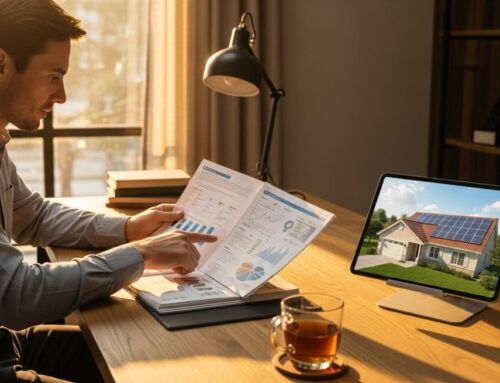
A qualified installer will determine the ideal system size by analyzing your past 12 months of electricity bills. They calculate your average monthly energy consumption in kilowatt-hours (kWh) and design a system that will offset that usage, considering your roof’s size, orientation, and local sunlight patterns.
What maintenance is required?
Solar panels require very little maintenance. Occasional rinsing with a garden hose to remove dust, pollen, or bird droppings is usually sufficient to keep them operating at peak efficiency. You should also monitor your system’s output via its monitoring app and have it inspected periodically by a professional.
Exploring solar panel systems for your small home is a smart step toward financial savings and energy independence. By understanding how solar works and what to expect, you can make a confident, informed decision. The best way to start is by gathering personalized information for your specific home. Comparing quotes from reputable local installers will give you a clear picture of costs, savings, and the perfect system for your needs.