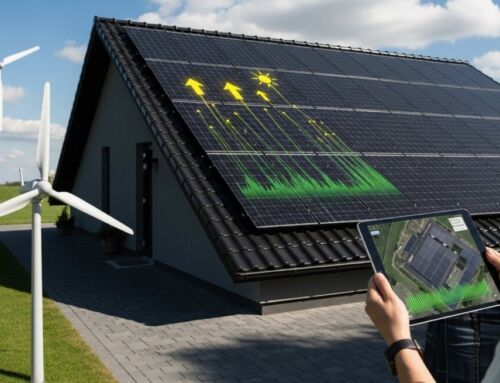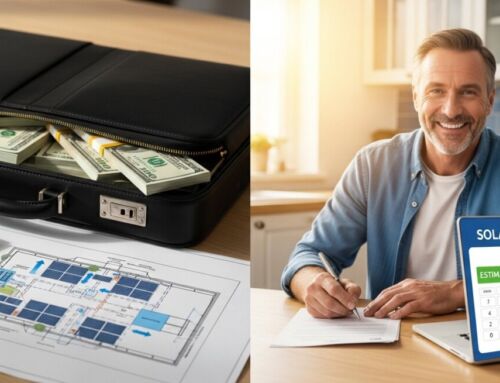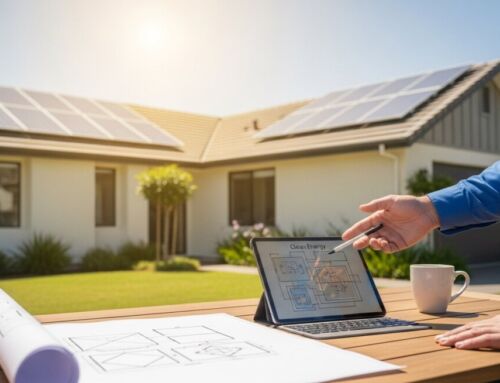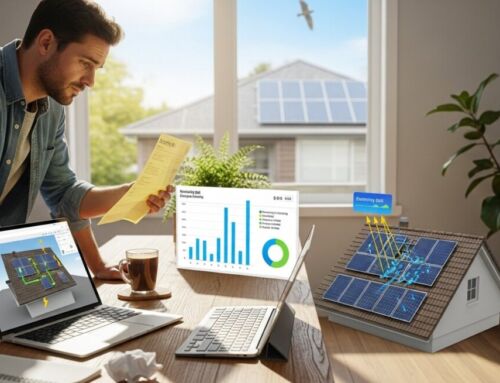
You open your monthly electricity bill and feel a familiar frustration. Rates keep climbing, and you wonder if there is a way to take control of your energy costs. That is why thousands of homeowners are now searching for solar pricing per watt explained , they want to understand what solar really costs and how it can reduce their monthly expenses. By learning about solar pricing, you can make an informed decision that lowers your electricity bills and moves you toward energy independence.
Understanding solar pricing per watt explained
Solar pricing per watt is simply the total cost of a solar system divided by its power output in watts. For example, if a 6,000-watt (6 kW) system costs $18,000, the price per watt is $3.00. This measurement helps you compare quotes from different installers on a level playing field.
The national average for residential solar in the United States ranges from $2.50 to $3.50 per watt before incentives. After applying the federal solar tax credit (30% as of 2025), that same system could drop to roughly $1.75 to $2.45 per watt. Understanding this number is essential when evaluating offers because a lower price per watt usually means better long-term savings.
More homeowners are turning to solar because it turns sunlight into predictable, lower electricity costs. Instead of paying ever-increasing utility rates, you generate your own power and lock in energy expenses for decades. In our guide on solar panel cost per watt explained for homeowner savings, we break down how this metric affects your return on investment.
How to calculate solar pricing per watt yourself
Take the total system cost from your quote (including equipment, labor, permits, and fees) and divide it by the system size in watts. A 7,200-watt system quoted at $21,600 equals $3.00 per watt. Always ask installers for this number so you can compare apples to apples.
Why solar energy is becoming more popular
Electricity rates across the country have risen an average of 3,5% per year over the last decade. That steady increase makes solar an attractive hedge against future price hikes. When you own your panels, you reduce your dependence on the grid and shield yourself from rising utility costs.
Environmental concerns also drive adoption. Solar energy produces no carbon emissions during operation, which helps homeowners shrink their carbon footprint. Beyond the planet, the financial case is strong: a typical solar system pays for itself in 6 to 10 years and continues delivering free electricity for 25 years or more.
State and federal incentives sweeten the deal. The federal Investment Tax Credit (ITC) allows you to deduct 30% of your installation cost from your taxes. Many states offer additional rebates, net metering programs, or property tax exemptions that further reduce the upfront price.
If you are considering solar power for your home, comparing installation quotes can help you understand your options. Request a free solar quote or call to learn more.
Common questions homeowners have about solar
Many homeowners worry that solar is too expensive or complicated. The truth is that prices have dropped more than 70% over the last decade, and financing options make it accessible for most budgets. A professional installer will evaluate your roof, shade, and energy usage to design a system that fits your needs.
Another frequent concern is whether solar works in cloudy or snowy climates. Solar panels still generate electricity on overcast days, though at reduced output. Modern systems are also built to handle snow loads, and net metering credits can bank excess summer production for winter use.
Here are a few common questions homeowners ask:
- How much does a typical solar system cost upfront?
- Will solar panels work on my roof type or age?
- How long does installation take from start to finish?
- What happens if my panels produce more electricity than I use?
- Do solar panels require a lot of maintenance?
- How long do solar panels last before needing replacement?
How solar panel installation works
Professional solar installation follows a straightforward process. First, an installer reviews your home energy assessment to understand your electricity usage and roof characteristics. They then design a system tailored to your home’s sun exposure and available space.
After you approve the design, the installer handles permits and approvals with your local utility and building department. This step ensures your system meets safety codes and qualifies for net metering. The actual panel installation typically takes one to three days, depending on system size and roof complexity.
The main steps are:
- Home energy assessment , review past bills and roof conditions.
- System design , determine panel placement, inverter type, and expected output.
- Permits and approvals , secure building and utility permissions.
- Panel installation , mount hardware, install panels, and connect wiring.
- System activation , final inspection, utility approval, and turning the system on.
Speaking with experienced installers can help you determine the best solar solution for your home. Compare solar quotes here or call to explore available options.
Signs your home may be ideal for solar
Not every home is equally suited for solar, but many are. The best candidates have a south- or west-facing roof with little to no shade between 9 a.m. and 3 p.m. A roof in good condition that is less than 15 years old is also a strong indicator that solar will be a smooth investment.
If your electricity bills are consistently high , say, over $100 per month , solar can deliver significant savings. Homeowners who plan to stay in their house for at least 5 to 7 years typically see the best return, as that is when the system pays for itself.
Look for these signs that your home is ready for solar:
- Strong sunlight exposure with minimal shading on your roof.
- High electricity bills that you want to reduce.
- Suitable roof space , at least 300,500 square feet of unshaded area.
- Long-term home ownership plans (5+ years).
- A roof in good condition that does not need replacement soon.
- Access to net metering or other favorable utility policies in your state.
What affects solar installation costs
System size is the biggest cost driver. Larger systems produce more electricity but require more panels, inverters, and labor. Equipment quality also matters , premium panels and microinverters cost more upfront but often deliver better performance and longer warranties.
Installation complexity adds to the price. A simple, south-facing asphalt shingle roof is cheaper to install than a tile roof or a complex multi-level structure. Local permit fees, labor rates, and the availability of installers in your area also influence the final quote.
Incentives and rebates can dramatically lower your net cost. Beyond the federal tax credit, some states offer cash rebates, performance-based incentives, or property tax exemptions. For a deeper look, see our analysis on solar pricing per watt explained for homeowner savings.
The cost of solar installation varies depending on your home and energy needs. Request personalized solar quotes or call to see what options are available.
Tips for choosing a reliable solar installer
Choosing the right installer is just as important as choosing the right equipment. A reputable company will provide a detailed quote, explain the pricing per watt, and answer all your questions without pressure. Look for installers with at least three years of experience and strong online reviews.
Warranties matter. A good installer offers a workmanship warranty (typically 10,25 years) in addition to the manufacturer’s equipment warranty. Always ask what is covered and for how long, especially for the inverter and roof penetrations.
Here are practical tips to find a trustworthy installer:
- Review installer experience , look for 3+ years in business and certified technicians.
- Check warranties , ensure you have both equipment and workmanship coverage.
- Read customer reviews on Google, Yelp, and the Better Business Bureau.
- Compare multiple quotes , at least three to understand pricing and options.
- Ask about financing , cash, loan, or lease options affect your long-term savings.
- Verify licensing and insurance , your installer should be licensed in your state.
Long-term benefits of installing solar panels
The most immediate benefit is lower electricity bills. Once your system is paid off, the electricity it generates is essentially free. Over 25 years, that can add up to $20,000,$50,000 in savings depending on your utility rates and system size.
Solar panels also increase your home’s value. Studies show that homes with solar sell for 4,6% more than comparable non-solar homes. Buyers appreciate the lower utility costs and environmental benefits, making your property more attractive when you decide to sell.
Energy independence is another powerful advantage. By generating your own power, you are less affected by grid outages and utility rate increases. And every kilowatt-hour from solar reduces your carbon footprint, helping combat climate change while saving money.
FAQs
How do I calculate solar pricing per watt?
Divide the total system cost (including installation, permits, and equipment) by the system size in watts. For example, a $15,000 system that is 5,000 watts equals $3.00 per watt. Use this number to compare quotes from different installers.
What is a good price per watt for solar in 2025?
A good price per watt before incentives is typically between $2.50 and $3.50 for a standard residential system. After the 30% federal tax credit, that drops to roughly $1.75 to $2.45 per watt. Prices vary by region and installer.
How much can I save on my electricity bill with solar?
Savings depend on your system size, local electricity rates, and how much sunlight your roof receives. Most homeowners reduce their electric bill by 50,90%, with many eliminating it entirely. Over 25 years, total savings often range from $20,000 to $50,000.
Do solar panels work during a power outage?
Standard grid-tied solar systems shut down during outages for safety. If you want backup power, you need a battery storage system like the Tesla Powerwall or Enphase IQ Battery. Batteries add cost but provide energy independence during blackouts.
How long does it take for solar panels to pay for themselves?
The payback period is typically 6 to 10 years for most homeowners. This depends on system cost, available incentives, electricity rates, and how much energy your panels produce. After payback, you enjoy free electricity for the remaining life of the system.
What maintenance do solar panels require?
Solar panels require very little maintenance. Rain usually keeps them clean, but in dusty areas you may need to hose them off once or twice a year. Most systems come with monitoring software that alerts you to performance issues.
Can I install solar panels myself to save money?
DIY installation is risky and often voids warranties. Improper wiring can cause fires or damage your roof. Professional installers ensure safety, handle permits, and qualify you for incentives. The cost of professional installation is worth the peace of mind.
What happens to solar panels at the end of their life?
Solar panels are recyclable. Most manufacturers have take-back programs, and many recycling facilities recover glass, aluminum, and silicon. With a lifespan of 25,30 years, recycling is an important part of solar’s sustainable lifecycle.
Solar energy is a practical, proven way to reduce your electricity bills, increase your home’s value, and contribute to a cleaner planet. By understanding solar pricing per watt and comparing quotes from trusted installers, you can make a confident decision that pays off for years to come. Start exploring your options today , request quotes, ask questions, and take the first step toward energy independence.