Your monthly electricity bill keeps climbing. You wonder if there is a way to finally reduce those costs and gain more control over your home’s energy use. This is why so many homeowners start searching for trusted solar installation services that can deliver real savings without the hassle.
Solar panels convert sunlight into electricity, allowing you to generate your own power and rely less on the grid. With the right professional team, you can lower your energy bills, increase your home’s value, and help the environment,all while avoiding expensive mistakes.
In this article, we will explain what trusted solar installation services look like, how the process works, and how comparing quotes can help you find the best solution for your home.
Understanding Trusted Solar Installation Services
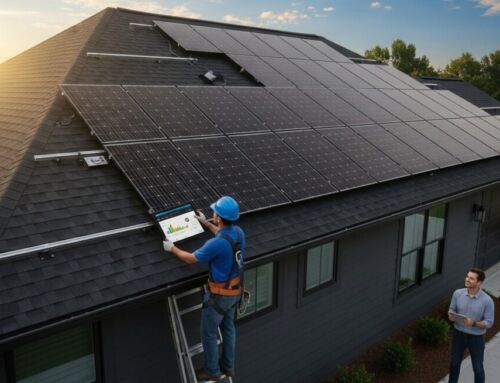
Trusted solar installation services refer to professional companies that design, permit, and install solar panel systems for homes. They handle everything from the initial energy assessment to the final connection with your utility company.
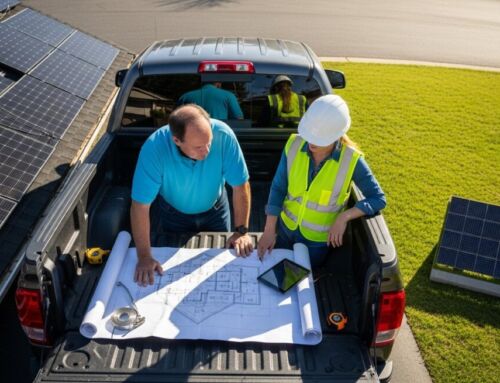
These services are not just about placing panels on your roof. A reliable installer evaluates your home’s energy needs, roof condition, and sunlight exposure. They then recommend a system size and equipment that matches your goals,whether that means slashing your electric bill or achieving near-total energy independence.
More homeowners are choosing professional installation because it ensures safety, quality, and long-term performance. When you work with a certified installer, you also gain access to manufacturer warranties and often qualify for government incentives that require professional installation.
Why Solar Energy Is Becoming More Popular
Rising electricity rates are pushing more families to look for alternatives. Over the past decade, the cost of grid power has increased steadily, while the price of solar panels has dropped significantly. This shift makes solar a smart financial move for many households.
Environmental concerns also play a big role. Generating your own clean energy reduces your carbon footprint and helps fight climate change. For many homeowners, this peace of mind is just as valuable as the monthly savings.
Long-term savings remain the top motivator. Once your system is paid off, you essentially produce free electricity for the remaining life of the panels,often 25 years or more. This steady return makes solar one of the most reliable home improvements you can make.
If you are considering solar power for your home, comparing installation quotes can help you understand your options. Request a free solar quote or call 1-800-555-0199 to learn more.
Common Questions Homeowners Have About Solar
It is normal to have questions before making a big investment. Many homeowners wonder about the upfront cost, whether their roof is suitable, and how much electricity the system will actually produce.
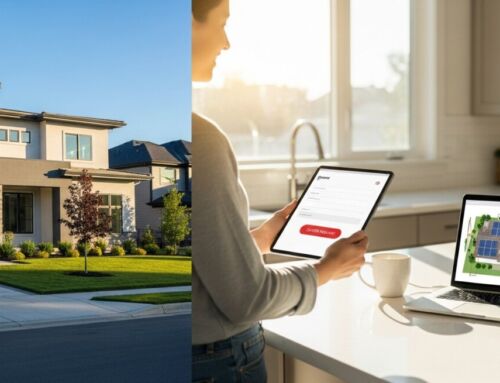
A trusted installer will address each of these concerns during the consultation. They use tools like satellite imagery and on-site inspections to give you accurate answers before you commit to anything.
- How much does solar cost? Costs vary by system size, but most homeowners pay between $10,000 and $25,000 before incentives.
- Will solar work on my roof? South-facing roofs with little shade and good structural condition are ideal, but many roof types can support panels.
- How long until I see savings? Most systems pay for themselves within 7 to 10 years through lower electricity bills.
- What happens during cloudy days? Panels still produce power in diffuse light, and net metering credits can offset lower production.
- Do I need a battery? Batteries are optional; they provide backup power but increase cost.
- How long do panels last? Most panels come with 25-year performance warranties and continue producing after that.
How Solar Panel Installation Works
The installation process is more straightforward than many people expect. A professional team guides you through each step, so you never feel lost or overwhelmed.
- Home energy assessment , The installer reviews your past electric bills and checks your roof’s condition and sun exposure.
- System design , They create a custom layout that maximizes energy production for your specific home.
- Permits and approvals , The installer handles all required permits and utility interconnection paperwork.
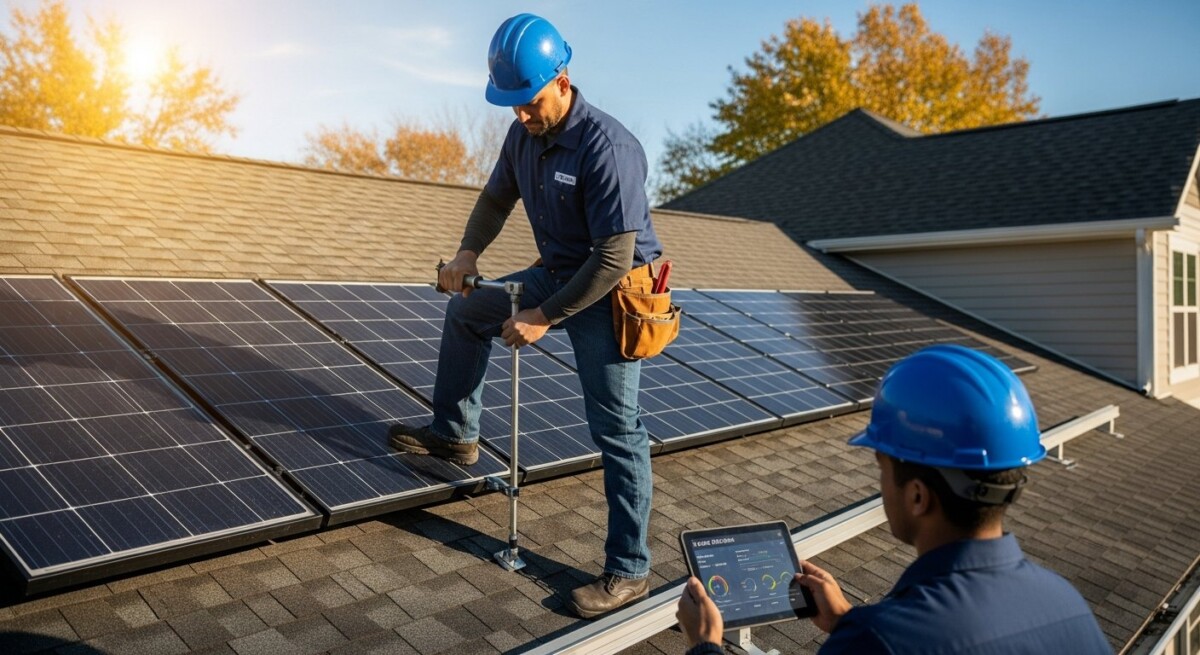
- Panel installation , A crew mounts the panels, connects wiring, and sets up the inverter.
- System activation , After final inspection, the utility company gives permission to turn the system on.
Speaking with experienced installers can help you determine the best solar solution for your home. Compare solar quotes here or call 1-800-555-0199 to explore available options.
Signs Your Home May Be Ideal for Solar
Not every home is a perfect candidate, but many are better suited than homeowners realize. If you have a roof that gets strong sunlight for most of the day, you are already in a good position.
High electricity bills are another strong indicator. The more you currently spend on power, the faster your solar system will pay for itself. Homeowners who plan to stay in their house for at least five more years also benefit most from the long-term savings.
- Strong sunlight exposure , Your roof receives direct sun from late morning to early afternoon.
- High electricity bills , You pay $100 or more per month for grid power.
- Suitable roof space , You have at least 300 square feet of unshaded roof area.
- Long-term home ownership plans , You intend to stay in your home for several years.
- Good roof condition , Your roof is less than 10 years old or in excellent shape.
- Local incentives , Your state or utility offers rebates or tax credits for solar.
What Affects Solar Installation Costs
Several factors influence the final price of a solar system. The most obvious is system size,more panels mean higher upfront cost but also greater energy production.
Equipment quality also matters. Premium panels and inverters cost more but often come with better warranties and higher efficiency. Installation complexity, such as a steep roof or older electrical panel, can add to the labor cost.
Local incentives can dramatically lower your net expense. The federal solar tax credit alone allows you to deduct 30% of the system cost from your taxes, and many states offer additional rebates or performance payments.
The cost of solar installation varies depending on your home and energy needs. Request personalized solar quotes or call 1-800-555-0199 to see what options are available.
Tips for Choosing a Reliable Solar Installer
Finding the right installer is just as important as choosing the right equipment. A trustworthy company will be transparent about pricing, timelines, and expected performance.
Start by checking each installer’s credentials, including licenses, certifications, and years in business. Reading customer reviews on independent platforms gives you a real sense of their reputation and service quality.
- Review installer experience , Look for companies with at least three years of solar installation experience.
- Check warranties , Ensure they offer a workmanship warranty of at least 10 years and use panels with 25-year performance guarantees.
- Read customer reviews , Check Google, Yelp, and the Better Business Bureau for honest feedback.
- Compare multiple quotes , Get at least three detailed proposals to compare equipment, pricing, and terms.
Long-Term Benefits of Installing Solar Panels
The most immediate benefit is lower electricity bills. Many homeowners see their monthly power costs drop by 50% to 90% after installation, depending on system size and local utility rates.
Solar panels also increase your home’s resale value. Studies show that homes with solar systems sell for a premium and spend less time on the market compared to non-solar homes. This makes solar both a money-saving upgrade and a smart investment.
On top of financial gains, you gain energy independence and reduce your household’s environmental impact. Every kilowatt-hour of solar power you use is one less kilowatt-hour generated from fossil fuels. Over 25 years, a typical residential system offsets as much carbon dioxide as planting over 1,000 trees.
How long does it take to install solar panels?
Most residential installations take one to three days for the physical work. The entire process, from signing a contract to system activation, usually takes four to eight weeks due to permitting and utility approvals.
Do solar panels work during a power outage?
Standard grid-tied systems shut off during outages for safety reasons. If you want backup power, you need a solar battery system that can operate independently from the grid.
What maintenance do solar panels require?
Solar panels require very little maintenance. Rain usually keeps them clean, but you may need an occasional rinse if dust or debris builds up. Most installers recommend an annual inspection to ensure everything is working properly.
Can I install solar panels myself to save money?
DIY installation is possible but risky. Most homeowners lack the electrical knowledge and safety training needed for a safe, code-compliant installation. Additionally, DIY systems often void warranties and may not qualify for government incentives.
Will solar panels damage my roof?
Professionally installed panels do not damage roofs. Installers use flashing and sealants to prevent leaks, and many systems actually protect the roof area underneath from sun and weather exposure.
How much can I really save with solar?
Savings depend on your local electricity rates, system size, and sunlight. On average, homeowners save between $600 and $1,500 per year. Over 25 years, total savings often range from $15,000 to $40,000.
What happens if I move after installing solar?
You can either include the solar system in your home sale or transfer the lease if you have a leased system. Owned systems typically increase home value, making them attractive to buyers.
Are there government incentives for solar?
Yes. The federal solar investment tax credit (ITC) lets you deduct 30% of your system cost from your federal taxes. Many states and utilities also offer additional rebates, tax credits, or performance-based incentives.
Solar energy offers a practical path to lower utility bills, greater energy independence, and a cleaner environment. By working with trusted solar installation services and comparing multiple quotes, you can find a system that fits your budget and meets your home’s needs. Take the first step today and explore your options with a free quote from certified professionals.