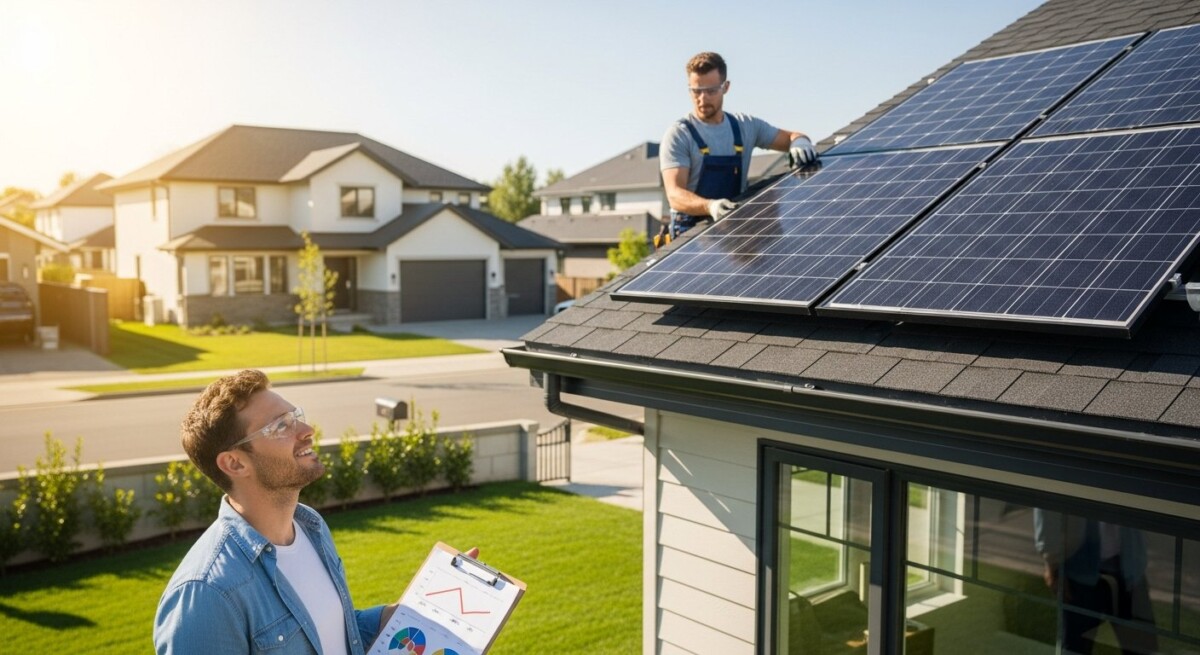
If you’ve opened your electricity bill recently and felt a jolt of surprise, you’re not alone. Many homeowners are watching their energy costs climb and are searching for a reliable solution. This search often leads to one key question: what is the average solar installation cost? Understanding this number is the first step toward reducing your monthly bills and gaining independence from the unpredictable power grid.
Understanding Average Solar Installation Cost
The average solar installation cost is the typical price a homeowner pays to have a complete solar panel system professionally installed on their property. It’s a total figure that includes the panels, inverter, mounting equipment, labor, permits, and other associated fees. This cost is usually discussed as a total price for the system or as a cost per watt of power the system can produce.
Think of it as an investment in your home’s energy future. While there is an upfront cost, the system immediately begins generating free, clean electricity from the sun. This directly offsets the power you need to buy from your utility company, leading to significant savings over the system’s 25+ year lifespan. A solar panel cost calculator can help you get a personalized estimate based on your home and energy usage.
Why Solar Energy Is Becoming More Popular
Homeowners are turning to solar power for several powerful reasons. First and foremost are rising electricity prices, which make locking in a low, predictable energy cost highly appealing. Solar panels provide a hedge against future utility rate hikes, offering financial stability for decades.
Alongside financial motivation, there’s a growing desire to reduce environmental impact. Solar energy is a clean, renewable resource that cuts household carbon emissions. Finally, strong government incentives, like the federal solar tax credit, make the transition more affordable than ever, accelerating adoption across the country.
If you are considering solar power for your home, comparing installation quotes can help you understand your options. Request a free solar quote or call to learn more.
Common Questions Homeowners Have About Solar
It’s normal to have questions before making a significant home upgrade. Many wonder if their roof is suitable, how the system performs on cloudy days, or what maintenance is required. A trustworthy installer will patiently address all these concerns with clear, factual information.
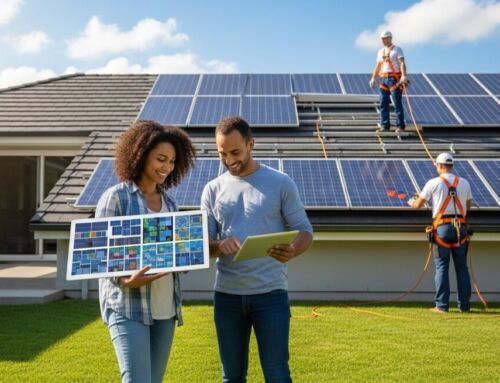
Understanding the answers helps build confidence in your decision. Reputable companies use detailed satellite imagery and software to design a system tailored to your roof’s specific conditions, ensuring optimal performance.
- How much will a solar panel system really save me?
- Is my roof strong enough and facing the right direction?
- What happens during a power outage?
- How long will the installation process take?
- Do solar panels require a lot of maintenance?
- What warranties come with the system and installation?
How Solar Panel Installation Works
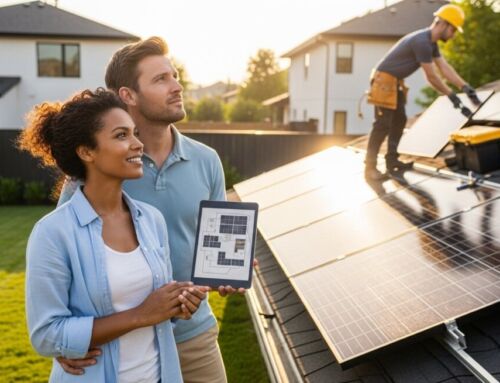
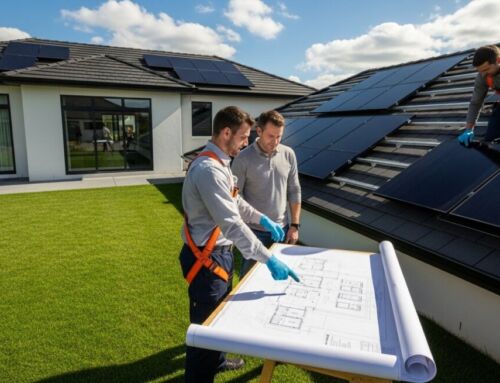
The solar installation process is a coordinated series of steps managed by professionals. It begins with a detailed consultation and energy assessment of your home. The installer will analyze your past electricity bills, evaluate your roof, and discuss your energy goals to design the ideal system.
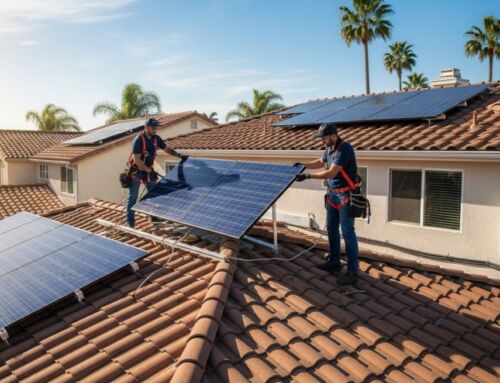
Once you approve the design, the installer handles all the logistics. This includes securing necessary permits from your local government and utility company. Only after all approvals are in place does the physical installation begin, followed by inspections and finally, system activation.
- Home Energy Assessment & Consultation
- Custom System Design & Proposal
- Permitting & Utility Approvals
- Physical Installation of Equipment
- Final Inspections & System Activation
Speaking with experienced installers can help you determine the best solar solution for your home. Compare solar quotes here or call to explore available options.
Signs Your Home May Be Ideal for Solar
Certain home characteristics make solar panels particularly effective and financially rewarding. The most obvious is a roof with good, unshaded exposure to the south, east, or west. Ample roof space is also needed to fit enough panels to cover a meaningful portion of your electricity use.
Your current energy consumption plays a huge role. Homes with higher-than-average electricity bills often see the fastest return on investment because the solar system displaces more expensive grid power. Finally, if you plan to stay in your home for many years, you’ll have ample time to enjoy the full spectrum of savings.
- You receive strong, direct sunlight for most of the day.
- Your monthly electricity bills are consistently high.
- You have a suitable roof with enough unobstructed space.
- You plan to own your home for the next 5-10+ years.
- Your local utility has favorable net metering policies.
- You are interested in increasing your property value.
What Affects Solar Installation Costs
The final price of your solar system isn’t a one-size-fits-all number. Several key factors influence it. The system’s size, measured in kilowatts (kW), is the primary driver,a larger system for a bigger home costs more than a smaller one. The quality and efficiency of the equipment you choose, such as premium panels or microinverters, also affect the price.
Installation complexity matters too. A simple, single-plane roof is easier and less expensive to work on than a multi-angled roof with skylights. Critically, local and federal incentives can dramatically reduce your net cost. The federal Investment Tax Credit (ITC) allows you to deduct a significant percentage of the system cost from your federal taxes.
The cost of solar installation varies depending on your home and energy needs. Request personalized solar quotes or call to see what options are available.
Tips for Choosing a Reliable Solar Installer
Selecting the right installer is as important as choosing the right equipment. A qualified professional ensures your system is designed correctly, installed safely, and performs optimally for decades. They will also expertly navigate permits, inspections, and utility interconnection, saving you time and hassle.
Always compare detailed proposals from multiple, well-reviewed companies. Look beyond the bottom-line price and examine the equipment brands, warranty terms, and projected energy production. A good installer acts as a long-term partner, not just a contractor.
- Verify licenses, insurance, and certifications (like NABCEP).
- Read customer reviews and ask for local references.
- Compare warranties on both equipment and workmanship.
- Get detailed, written quotes from at least three companies.
- Ensure they handle the entire permit and inspection process.
- Ask about their experience with installations similar to yours.
Long-Term Benefits of Installing Solar Panels
The long-term advantages of solar energy extend far beyond the initial installation. The most immediate and ongoing benefit is dramatically lower electricity bills. In many cases, homeowners can reduce their bill by 70-100%, locking in energy costs against future utility rate increases.
Solar panels also increase your home’s market value and appeal to future buyers. You’ll gain a greater degree of energy independence, knowing you’re producing your own power. Perhaps most importantly, you’ll make a lasting positive impact on the environment by reducing your household’s reliance on fossil fuels.
What is the average cost to install solar panels?
The national average cost for a residential solar panel system ranges between $15,000 and $25,000 after applying the federal tax credit. The final price depends heavily on your system size, location, equipment choices, and available local incentives. Getting multiple quotes is the best way to find an accurate price for your specific home.
How long does it take for solar panels to pay for themselves?
The payback period, or the time it takes for your savings to equal the installation cost, typically ranges from 6 to 10 years. This timeframe depends on your local electricity rates, system cost, sun exposure, and incentives. After the payback period, the electricity your system produces is essentially free for the remainder of its 25+ year lifespan.
Do solar panels work on cloudy days or in winter?
Yes, solar panels do work on cloudy days and during winter, though their output is reduced. They generate electricity from daylight, not just direct sunlight. Modern panels are quite efficient at capturing diffuse light. Systems are designed to account for seasonal weather patterns, producing more in sunny summer months to offset lower production in winter.
Can I install solar panels myself to save money?
While a DIY solar installation might seem like a way to cut costs, it comes with significant risks. Professional installers ensure the system is electrically safe, structurally sound, compliant with all codes, and eligible for incentives and warranties. Mistakes can be costly, dangerous, and may void equipment warranties.
What is net metering and how does it work?
Net metering is a billing arrangement with your utility company. When your solar panels produce more electricity than your home uses, the excess is sent to the grid, and your meter runs backward, giving you a credit. At night or on cloudy days, you draw power from the grid and use those credits, significantly lowering your net cost.
How do I maintain my solar panel system?
Solar panels require very little maintenance. Rainfall usually cleans them sufficiently. You may occasionally need to rinse off heavy dust or pollen. It’s wise to have a professional inspect the system every few years to check electrical connections and mounting hardware. Most systems include monitoring software so you can track performance from your phone.
Understanding the average solar installation cost is about seeing the full picture,the initial investment versus decades of energy savings, increased home value, and personal contribution to a cleaner environment. By taking the time to research and compare detailed quotes from reputable installers, you can make a confident, informed decision that powers your home and your finances for years to come.