If you’ve opened your electricity bill recently and felt a jolt, you’re not alone. Rising energy costs are prompting more homeowners than ever to look for a stable, long-term solution. For many, that solution is solar power, offering a clear path to reducing monthly bills and gaining independence from the unpredictable grid. To make a smart decision, it’s essential to understand the key solar installation cost factors that determine your investment.
Understanding Solar Installation Cost Factors
Solar installation cost factors are the specific elements that influence the final price of your solar panel system. Think of it like buying a car,the total cost depends on the model, features, size, and who installs it. For solar, these factors include your home’s energy needs, the quality of equipment, your roof’s layout, and available financial incentives.
By understanding these variables, you can move from seeing a single, potentially overwhelming price tag to understanding a customized investment. This knowledge empowers you to ask the right questions and evaluate quotes effectively, ensuring you get a system that delivers maximum value for your unique situation.
Why Solar Energy Is Becoming More Popular
Homeowners are turning to solar for powerful, practical reasons. First and foremost, it directly counters the pain of ever-increasing electricity rates. Once your system is paid for, the energy it produces is essentially free for decades, locking in significant long-term savings.
Beyond the wallet, there’s a growing desire for energy independence and environmental stewardship. Generating your own clean power reduces reliance on fossil fuels and provides peace of mind during grid outages (especially with battery storage). Combined with strong government incentives like the federal solar tax credit, which can slash your upfront cost by 30%, the financial and personal benefits are more compelling than ever.
If you are considering solar power for your home, comparing installation quotes can help you understand your options. Request a free solar quote or call to learn more.
Common Questions Homeowners Have About Solar
It’s normal to have questions before making a significant home upgrade. Many wonder if their roof is suitable, how long the system will last, or what happens on cloudy days. A reputable installer will gladly address all these concerns during a consultation.
Here are some of the most frequent questions we hear from homeowners starting their research:
- How much does a solar panel system really cost?
- Is my roof strong enough and facing the right direction?
- Will solar panels work in my climate?
- How long will the installation process take?
- What maintenance is required?
- How do financing and incentives work?
How Solar Panel Installation Works
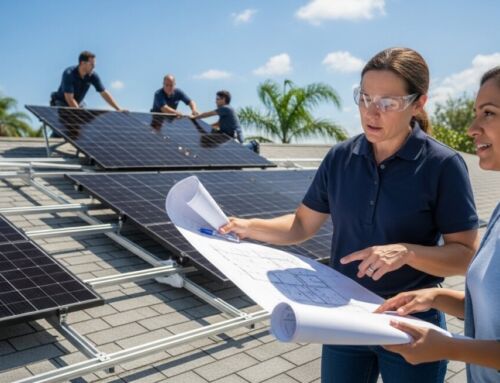
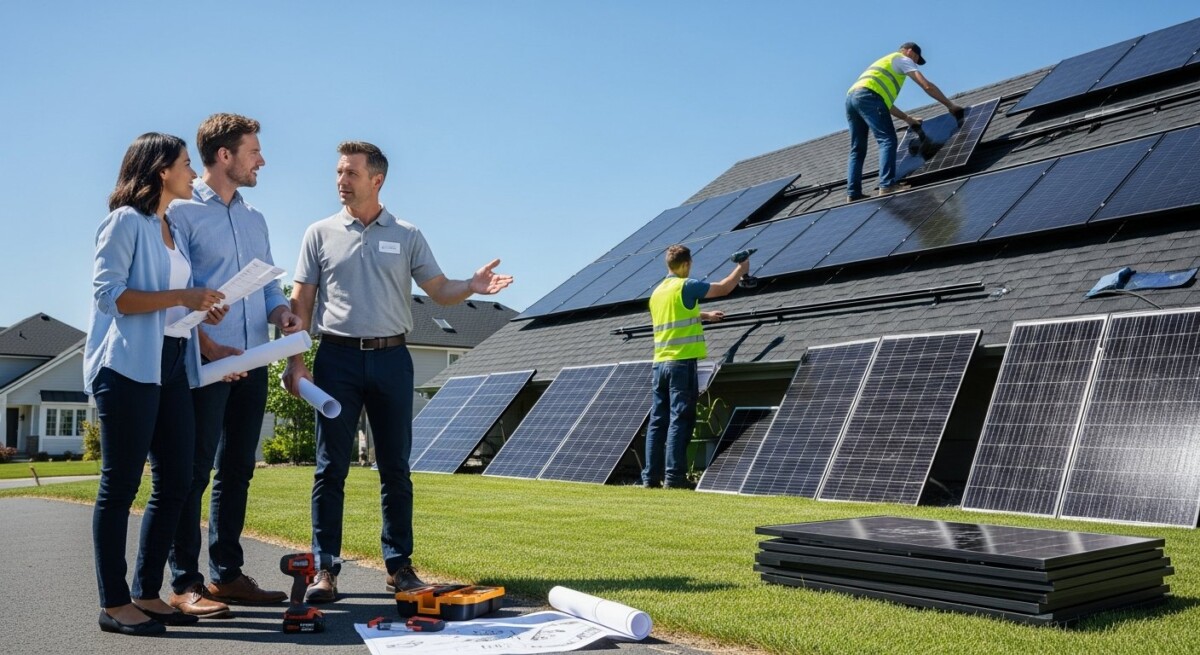
The installation process is a coordinated series of steps managed by your chosen professional. It begins with a detailed assessment of your home and energy usage, not a one-size-fits-all sales pitch. A good installer acts as your guide, handling the complexities from design to activation.
The main steps typically include:
- Energy Assessment & Consultation: Reviewing your past bills to size a system that meets your goals.
- Custom System Design & Proposal: Creating a plan for your roof layout and selecting equipment.
- Permitting & Approvals: Securing necessary permits from your city and utility company.
- Physical Installation: Mounting racks, panels, and the inverter, usually in 1-3 days.
- Inspections & Activation: Passing final checks and flipping the switch to start producing power.
Speaking with experienced installers can help you determine the best solar solution for your home. Compare solar quotes here or call to explore available options.
Signs Your Home May Be Ideal for Solar
While solar can work in many situations, some homes are naturally better positioned to maximize savings. The ideal candidate has a roof with strong, unobstructed exposure to the sun for most of the day. Southern-facing roofs in the Northern Hemisphere are typically best, but east and west faces can also be highly effective.
Consider these indicators that solar could be a great fit for you:
- You have high, or rising, monthly electricity bills.
- Your roof is in good condition and receives ample sunlight.
- You plan to stay in your home for the next 5-10 years or more.
- You have a clear area of roof space without significant shading from trees or chimneys.
- You are interested in reducing your carbon footprint and gaining energy security.
What Affects Solar Installation Costs
The total cost of your solar investment is not a random number. It’s calculated based on several key factors that a professional installer will evaluate. The primary driver is the system size, measured in kilowatts (kW), which is tailored to offset your specific energy consumption.
Other major cost factors include the quality and type of equipment (like premium panels or microinverters), the complexity of your roof (steep pitch, multiple levels), and local labor rates. Crucially, available government incentives and rebates directly reduce your net cost. For a detailed breakdown of available savings, our resource on solar tax credits and incentives is a great place to start.
The cost of solar installation varies depending on your home and energy needs. Request personalized solar quotes or call to see what options are available.
Tips for Choosing a Reliable Solar Installer
Your installer is your partner in this decades-long investment, so choosing wisely is critical. Look for established companies with strong local reputations and a track record of completed projects. They should be licensed, insured, and offer robust warranties on both equipment and workmanship.
Follow these practical tips to find a trustworthy professional:
- Compare multiple detailed quotes, not just the cheapest price.
- Verify certifications (like NABCEP) and read customer reviews.
- Ask about their experience with your local permit process and utility.
- Ensure they provide a clear production estimate and explain the warranty coverage.
- Choose a company that listens to your goals and provides clear, patient answers.
Long-Term Benefits of Installing Solar Panels
The benefits of solar extend far beyond the initial installation. The most immediate and tangible advantage is dramatically lower electricity bills. Over the 25+ year life of a system, this can translate to tens of thousands of dollars in savings, effectively insulating you from future rate hikes.
You also invest in increased home value, as studies show buyers are willing to pay more for homes with solar. Environmentally, you’ll significantly reduce your household’s carbon footprint. Perhaps most importantly, you gain a measure of energy independence, producing your own clean power and taking control of a major household expense for decades to come.
Frequently Asked Questions
What is the average cost to install solar panels?
The average gross cost for a residential system ranges between $15,000 and $25,000 before incentives. However, your final cost depends entirely on your specific solar installation cost factors like system size, equipment, and roof. After applying the 30% federal tax credit, the net investment becomes significantly more affordable.
How long does it take for solar panels to pay for themselves?
The payback period,the time it takes for your savings to equal the system cost,typically ranges from 6 to 10 years. This timeline depends on your local electricity rates, system cost, and sun exposure. After the payback period, you essentially enjoy free electricity for the remaining life of the system.
Do solar panels work when the power goes out?
Standard grid-tied solar systems automatically shut off during a blackout for safety reasons. To have power during an outage, you need to pair your solar panels with a battery storage system. This setup stores excess energy for use anytime, providing true backup power and greater energy independence.
How do I know what size solar system I need?
A qualified installer will determine the ideal system size by analyzing 12 months of your electricity bills. They calculate the kilowatt-hours (kWh) you use annually and design a system to offset a significant portion, often 80-100%, of that usage, considering your roof’s space and sun exposure.
What maintenance do solar panels require?
Solar panels require very little maintenance. Occasional rinsing with a garden hose to remove dust, pollen, or bird droppings is usually sufficient. It’s also wise to have a professional check the system components every few years. Most systems include monitoring software so you can track performance easily from your phone.
Can I install solar panels myself to save money?
While DIY kits exist, professional installation is strongly recommended. Incorrect installation can void warranties, reduce efficiency, and create safety or roof integrity risks. Professional installers ensure proper permitting, utility interconnection, and eligibility for incentives, which are often complex processes.
Understanding solar installation cost factors is the first step toward making an empowered decision for your home and finances. By evaluating your specific situation and comparing detailed quotes from trusted local installers, you can confidently invest in a system that delivers reliable savings, energy security, and environmental benefits for years to come. Start your journey today by exploring your personalized options.