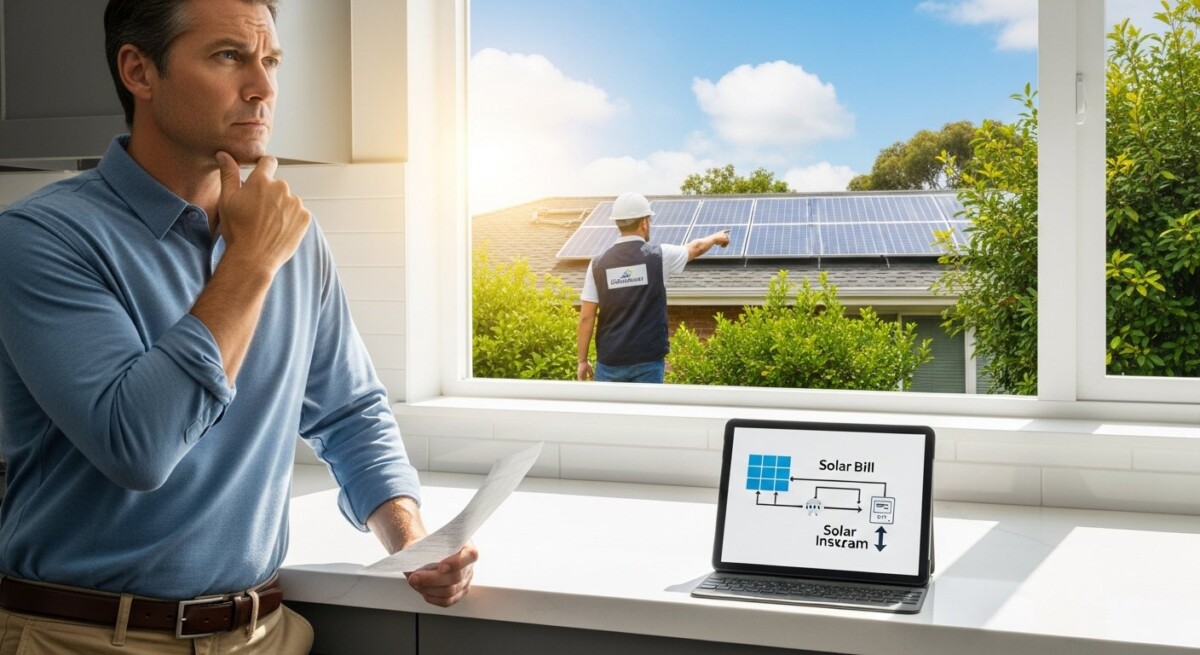
You open your monthly electricity bill and feel a familiar sting. Rates keep climbing, and you wonder if there is a way to take control. That is when you start searching for what is solar quote and how it could help you reduce energy costs. A solar quote is simply an estimate from a certified installer that outlines the cost of a solar panel system for your home. It breaks down equipment, labor, permits, and potential savings,giving you a clear picture of your investment.
Solar energy turns sunlight into electricity using photovoltaic panels installed on your roof or property. When sunlight hits these panels, they generate direct current electricity, which an inverter converts into usable alternating current for your home. This process can slash your monthly utility bills and reduce dependence on the power grid. More homeowners are exploring solar because it offers long-term savings, energy independence, and a smaller carbon footprint.
Understanding What Is Solar Quote
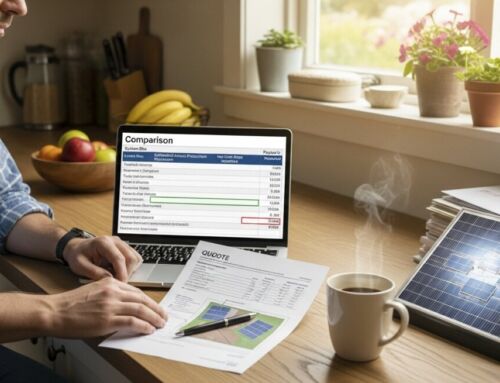
A solar quote is a personalized proposal from a solar installation company. It includes the total cost of the system, the types of panels and inverters used, estimated energy production, and projected savings over time. The quote also lists any financing options, warranties, and applicable incentives like the federal solar tax credit.
Think of a solar quote as a roadmap for your solar journey. Without it, you might overpay for equipment or choose a system that does not match your energy needs. By reviewing multiple quotes, you can compare prices, equipment quality, and installer reputations. This process ensures you get the best value and avoid costly mistakes.
Key Components of a Solar Quote
Most solar quotes include the system size in kilowatts (kW), the number of panels, panel efficiency ratings, inverter type, and estimated annual energy production. They also detail installation costs, permit fees, and any additional charges for roof work or electrical upgrades. Reputable installers provide clear, itemized quotes so you understand exactly what you are paying for.
Why Solar Energy Is Becoming More Popular
Electricity prices have risen steadily across the United States, and many homeowners feel the pinch. Solar power offers a way to lock in lower energy costs and protect against future rate hikes. At the same time, growing awareness of climate change drives people to seek cleaner energy sources. Solar panels produce electricity without emitting greenhouse gases, making them an environmentally responsible choice.
Long-term savings are another major draw. Although solar installation has an upfront cost, most systems pay for themselves within 6 to 10 years through reduced electricity bills. After that, the electricity your panels generate is essentially free. Combined with government incentives like the 30% federal tax credit and state-level rebates, the financial case for solar becomes even stronger.
If you are considering solar power for your home, comparing installation quotes can help you understand your options. Request a free solar quote or call 1-800-SOLAR-HELP to learn more.
Common Questions Homeowners Have About Solar
Many homeowners worry about the upfront cost of solar panels. The good news is that financing options like solar loans, leases, and power purchase agreements can make the switch affordable. Your roof condition and orientation also matter,south-facing roofs with little shade work best, but east- and west-facing roofs can still generate solid savings.
System performance depends on your location, panel quality, and installation. Modern panels are highly efficient and durable, often lasting 25 years or more. Most reputable installers offer performance guarantees, so you can trust your system will deliver the energy savings promised.
- How much does a solar system cost for an average home?
- Will solar panels work on my roof type?
- How long does installation take?
- What happens if my panels produce more electricity than I use?
- Are there government incentives available in my state?
- How do I maintain solar panels?
How Solar Panel Installation Works
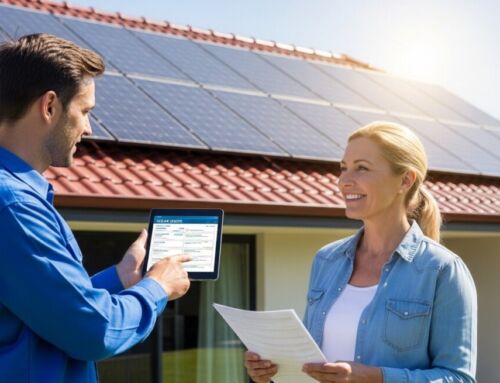
The installation process starts with a home energy assessment. An installer reviews your electricity bills, evaluates your roof, and measures sunlight exposure. Based on this data, they design a system tailored to your energy needs and budget.
After you approve the design, the installer handles permits and approvals from your local utility and municipality. This step ensures your system meets all safety and grid connection standards. Once permits are secured, the installation team mounts the panels, connects the inverter, and wires the system to your electrical panel.
- Home energy assessment and bill analysis
- System design and equipment selection
- Permit applications and utility approvals
- Panel mounting and inverter installation
- Electrical wiring and grid connection
- System activation and final inspection
Speaking with experienced installers can help you determine the best solar solution for your home. Compare solar quotes here or call 1-800-SOLAR-HELP to explore available options.
Signs Your Home May Be Ideal for Solar
Not every home is equally suited for solar panels, but many properties can benefit. Strong sunlight exposure is the most important factor,homes in sunny states like California, Arizona, and Florida typically see the fastest payback periods. Your roof should also have enough unshaded space to accommodate the panels.
High electricity bills are another clear sign that solar could save you money. If you pay more than $100 per month for electricity, a solar system can likely reduce your costs. Long-term home owners also benefit most, since solar panels increase property value and provide savings for decades.
- Your roof receives direct sunlight for most of the day
- Your monthly electricity bills are consistently high
- You have at least 300 square feet of usable roof space
- Your roof is less than 10 years old or in good condition
- You plan to stay in your home for at least 5 years
- Your local utility offers net metering or solar incentives
What Affects Solar Installation Costs
System size is the biggest cost driver. Larger systems that produce more electricity cost more upfront but also generate greater long-term savings. Equipment quality also matters,high-efficiency panels and premium inverters cost more but often come with better warranties and performance.
Installation complexity can increase costs. Steep roofs, multiple stories, or unique roof materials require more labor and specialized equipment. Local incentives and rebates can significantly reduce your net cost, so it pays to research what your state and utility offer.
The cost of solar installation varies depending on your home and energy needs. Request personalized solar quotes or call 1-800-SOLAR-HELP to see what options are available.
Tips for Choosing a Reliable Solar Installer
Choosing the right installer is just as important as choosing the right equipment. Look for companies with at least five years of experience and a strong track record of installations in your area. Check online reviews on platforms like Google and the Better Business Bureau to gauge customer satisfaction.
Warranties are another critical factor. Reputable installers offer a 10-year workmanship warranty and use panels with 25-year performance guarantees. Always ask for references from recent customers and verify that the installer holds proper licensing and insurance.
- Review the installer’s experience and number of completed projects
- Check equipment warranties and workmanship guarantees
- Read customer reviews and ask for references
- Compare at least three quotes from different companies
- Verify licensing, insurance, and certifications
- Ask about financing options and incentive assistance
Long-Term Benefits of Installing Solar Panels
Lower electricity bills are the most immediate benefit of going solar. Many homeowners see their monthly energy costs drop by 50% or more. Over the 25-year lifespan of a typical system, total savings can reach tens of thousands of dollars.
Solar panels also increase your home’s resale value. Studies show that homes with solar systems sell for a premium compared to similar homes without them. You also gain energy independence,generating your own power insulates you from future utility rate hikes and grid outages.
Finally, solar energy reduces your environmental impact. By switching to clean, renewable power, you help lower greenhouse gas emissions and decrease reliance on fossil fuels. It is a practical step toward a more sustainable future for your family and your community.
Frequently Asked Questions
How do I get a solar quote for my home?
You can request a solar quote online through a comparison platform like NewSolarQuotes, or contact local installers directly. Most companies offer free, no-obligation quotes based on your address, roof details, and recent electricity bills. Comparing multiple quotes helps you find the best price and system for your needs.
What is included in a typical solar quote?
A typical solar quote includes system size, panel and inverter specifications, estimated annual energy production, total cost, financing options, warranty details, and projected savings. It should also list any applicable incentives like the federal tax credit or state rebates. Always ask for an itemized breakdown to avoid hidden fees.
How much does a solar system cost for an average home?
The average cost of a residential solar system in the U.S. ranges from $15,000 to $25,000 before incentives. After the 30% federal tax credit, that drops to $10,500 to $17,500. Actual costs vary based on system size, equipment quality, and your location.
Can I get solar panels for free?
There is no such thing as free solar panels, but you can install solar with $0 upfront through a solar lease or power purchase agreement (PPA). With these options, a third party owns the system and you pay for the electricity it generates at a lower rate than your utility. However, you will not qualify for tax credits or see as much long-term savings as with a purchase.
How long does it take to install solar panels?
The physical installation usually takes one to three days. However, the entire process,from initial quote to system activation,typically takes 4 to 8 weeks. Permit approvals and utility paperwork account for most of that time.
Will solar panels work during a power outage?
Standard grid-tied solar systems shut down during a power outage for safety reasons. If you want backup power during outages, you need a solar battery system like the Tesla Powerwall or Enphase Encharge. Batteries store excess energy and can power critical loads when the grid goes down.
Do solar panels increase home value?
Yes, multiple studies show that solar panels increase home resale value. On average, homes with solar sell for about 4% more than comparable homes without solar. Buyers recognize the long-term savings and energy independence that solar provides.
What happens if my solar panels produce more electricity than I use?
Excess electricity flows back to the grid through a process called net metering. Your utility credits you for this power, reducing your future bills. Net metering policies vary by state and utility, so check what applies in your area.
Solar energy is a smart investment that lowers your electricity bills, increases home value, and helps protect the environment. Understanding what is solar quote is the first step toward making an informed decision. By comparing quotes from multiple installers, you can find the right system at the right price and start saving from day one.