You open your monthly electricity bill and feel a familiar frustration. The cost keeps climbing, and you wonder if there is a better way to power your home. That is why so many homeowners are searching for what is solar installation timeline and whether switching to solar energy is worth the effort. The idea of reducing energy bills and becoming less dependent on the power grid sounds appealing, but the process can feel overwhelming at first. Understanding the timeline helps you plan your budget, prepare your home, and avoid surprises.
Understanding what is solar installation timeline
Solar installation timeline refers to the total time it takes from your initial inquiry to the moment your solar panels start generating electricity. For most homeowners, this process spans between two and four months, though some projects move faster or slower depending on local permits, weather, and equipment availability. The timeline includes several key phases: consultation and site assessment, system design, permit approvals, equipment ordering, physical installation, and final inspection and activation.
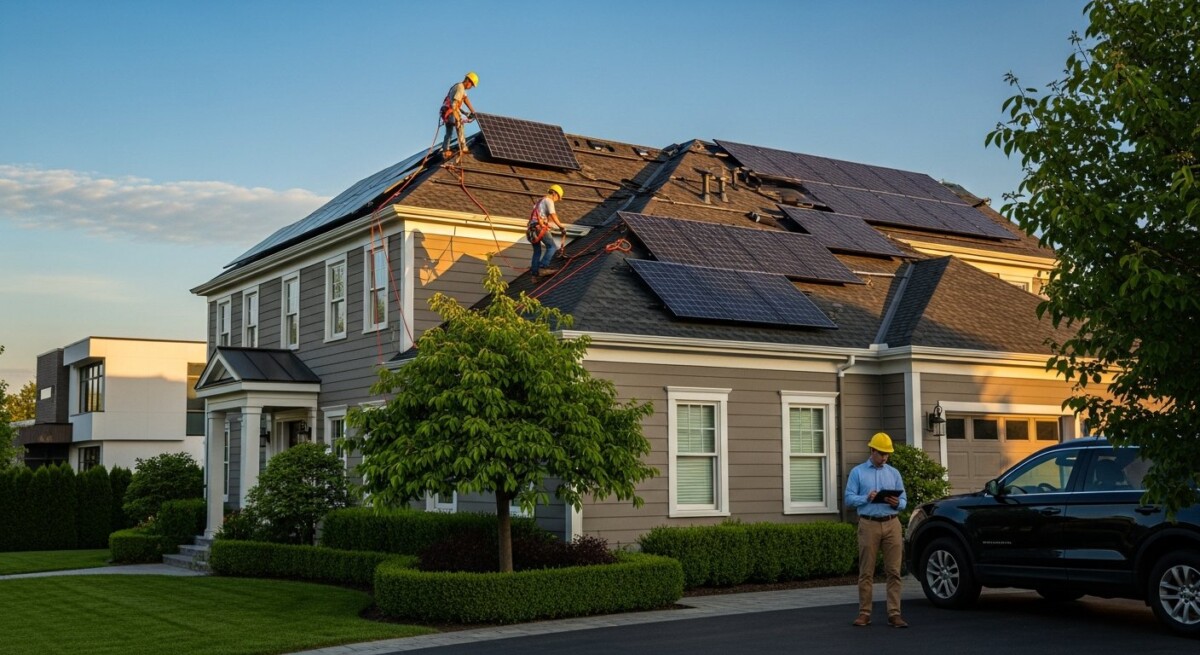
During the initial consultation, a solar installer evaluates your home’s roof condition, sun exposure, and energy usage. They then design a system tailored to your needs. Once you approve the design, the installer submits permit applications to your local government or utility company. This permitting stage often takes the longest,sometimes three to six weeks,because each jurisdiction has its own review process. After permits are approved, the actual panel installation typically takes one to three days. Finally, a local inspector signs off, and your utility company grants permission to operate (PTO), which can add another one to two weeks.
Why understanding the timeline matters
Knowing the solar installation timeline helps you set realistic expectations and plan your finances accordingly. If you are hoping to offset summer air conditioning costs, starting the process in early spring gives you enough time to complete everything before peak usage. It also allows you to compare multiple installer proposals without feeling rushed, which is essential for finding the best system at the right price.
Why Solar Energy Is Becoming More Popular
Rising electricity prices are driving more homeowners to explore solar power. According to the U.S. Energy Information Administration, residential electricity rates have increased steadily over the past decade, and many utility companies project further hikes. Solar panels offer a way to lock in lower energy costs for 25 years or more, protecting your household budget from unpredictable rate increases.
Environmental concerns also play a major role. Homeowners want to reduce their carbon footprint and contribute to a cleaner future. Solar energy produces no greenhouse gas emissions during operation, making it one of the most environmentally friendly energy sources available. When you install solar panels, you are not just saving money,you are actively helping to reduce air pollution and combat climate change.
Long-term savings are another powerful motivator. Although the upfront cost of solar panels can seem high, federal tax credits, state rebates, and net metering programs significantly reduce the net investment. Over the system’s lifetime, most homeowners save tens of thousands of dollars on electricity. In our guide on compare solar installation offers for maximum savings, we explain how to evaluate different proposals to maximize your financial return.
If you are considering solar power for your home, comparing installation quotes can help you understand your options. Request a free solar quote or call (800) 555-0199 to learn more.
Common Questions Homeowners Have About Solar
Many homeowners worry about the upfront cost of solar panels. The good news is that prices have dropped dramatically over the past decade, and financing options such as solar loans, leases, and power purchase agreements make solar accessible to more households. The federal solar investment tax credit (ITC) currently allows you to deduct 30% of the installation cost from your federal taxes, which significantly lowers the net price.
Roof suitability is another frequent concern. Solar panels work best on roofs that face south or west and receive direct sunlight for most of the day. However, east- and west-facing roofs can still produce substantial energy. A professional installer will assess your roof’s age, material, and structural integrity during the free consultation. If your roof needs replacement soon, it is usually better to replace it before installing panels.
System performance questions often center on cloudy days and winter months. Solar panels still generate electricity on overcast days, though at reduced output. Net metering programs allow you to bank excess energy produced during sunny months and use it when production is lower, ensuring a balanced annual bill. Most systems are designed to cover 80,100% of your home’s annual electricity needs.
- How much will solar panels cost for my home?
- Will solar panels work on my roof type?
- How long do solar panels last?
- What happens during a power outage?
- Do I need to clean my solar panels regularly?
- Can I add batteries later?
How Solar Panel Installation Works
The installation process begins with a home energy assessment. An installer reviews your past electricity bills, measures your roof, and checks for shading from trees or nearby buildings. They also evaluate your electrical panel to ensure it can handle the new solar system. This assessment takes about one to two hours and provides the data needed to design an efficient system.
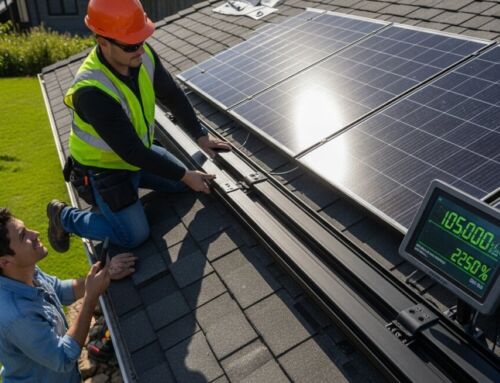
After you approve the system design, the installer handles all permit applications and utility paperwork. This step is critical because improper permitting can delay your project or cause safety issues. Once permits are approved, the physical installation usually takes one to three days for a typical residential system. The crew mounts racking on your roof, installs the panels, connects wiring, and sets up the inverter. A final inspection by a local authority ensures everything meets code, and then your utility company grants permission to operate.
- Home energy assessment and consultation
- Custom system design and equipment selection
- Permit applications and utility approvals
- Physical panel installation (1,3 days)
- Final inspection and permission to operate
Speaking with experienced installers can help you determine the best solar solution for your home. Compare solar quotes here or call (800) 555-0199 to explore available options.
Signs Your Home May Be Ideal for Solar
Homes with strong, unobstructed sunlight exposure are prime candidates for solar panels. If your roof receives direct sunlight from mid-morning to late afternoon, you will likely generate enough electricity to offset a significant portion of your bill. South-facing roofs are optimal, but east and west orientations still produce solid results. A professional assessment can estimate your home’s solar potential with high accuracy.
High electricity bills are another clear indicator. If your monthly utility costs exceed $100, solar panels can provide substantial savings over time. Homes with electric heating, air conditioning, or electric vehicles tend to benefit even more because they consume more energy. Solar allows you to produce your own power rather than paying ever-increasing retail rates.
- Your roof receives at least five hours of direct sunlight daily
- Your monthly electricity bill is consistently high
- Your roof is less than 15 years old and in good condition
- You plan to stay in your home for at least five more years
- Your local utility offers net metering or similar incentives
- You live in a state with strong solar rebates or tax credits
What Affects Solar Installation Costs
System size is the biggest factor determining your solar installation cost. Larger systems with more panels produce more electricity but also require a higher upfront investment. The average residential system in the United States ranges from 5 kW to 10 kW, with costs varying between $2.50 and $3.50 per watt before incentives. Your installer will help you size the system based on your energy consumption and roof space.
Equipment quality also influences price. Premium panels from brands like SunPower or LG are more efficient and often come with longer warranties, but they cost more than standard panels. Similarly, microinverters and power optimizers add cost but improve performance on partially shaded roofs. Choosing high-quality components can increase your system’s lifespan and energy output, making the investment worthwhile over time.
Local incentives can dramatically reduce your net cost. In addition to the federal tax credit, many states, cities, and utilities offer rebates, performance-based incentives, or property tax exemptions. Some areas also have community solar programs that allow you to subscribe to a shared solar farm without installing panels on your roof. For a detailed breakdown of affordable options, read our article on affordable solar installation options for homeowners.
The cost of solar installation varies depending on your home and energy needs. Request personalized solar quotes or call (800) 555-0199 to see what options are available.
Tips for Choosing a Reliable Solar Installer
Start by reviewing each installer’s experience and credentials. Look for companies that have been in business for at least five years and employ North American Board of Certified Energy Practitioners (NABCEP) certified professionals. This certification demonstrates a high level of technical knowledge and commitment to industry standards. Check online reviews on platforms like Google, Yelp, and the Better Business Bureau to see what past customers say.
Warranties are another critical consideration. Reputable installers offer a workmanship warranty of at least 10 years and use panels with 25-year performance warranties. Understand what each warranty covers,some include labor and parts, while others only cover equipment defects. A strong warranty protects your investment and gives you peace of mind if something goes wrong.
- Verify installer licensing and insurance
- Read customer reviews and ask for references
- Compare at least three quotes before deciding
- Ask about equipment brands and warranty terms
- Confirm the installer handles all permits and paperwork
- Check if the company offers monitoring and maintenance services
Long-Term Benefits of Installing Solar Panels
Lower electricity bills are the most immediate and tangible benefit. Once your system is paid off, your monthly electricity cost drops to near zero, depending on your usage and net metering policy. Over 25 years, the average homeowner saves between $20,000 and $50,000 on electricity, even after accounting for maintenance and inflation. These savings free up money for other priorities, such as home improvements or retirement savings.
Home value also increases with solar panel installation. Studies by the National Renewable Energy Laboratory and Zillow show that homes with solar panels sell for 4,6% more than comparable homes without solar. Buyers recognize the value of lower utility costs and are often willing to pay a premium. Additionally, solar panels add to a home’s appeal in competitive real estate markets, helping it sell faster.
Energy independence is another powerful advantage. By generating your own electricity, you become less vulnerable to utility rate hikes and grid outages. Adding battery storage gives you backup power during blackouts, providing security for your family and essential appliances. Solar energy also reduces your household’s carbon footprint by approximately three to four tons of carbon dioxide per year, equivalent to planting more than 100 trees annually.
How much does a typical solar installation cost?
The average cost for a residential solar system in the United States ranges from $15,000 to $25,000 before incentives. After the 30% federal tax credit, the net cost drops to roughly $10,500 to $17,500. Your final price depends on system size, equipment quality, roof complexity, and local labor rates. Getting multiple quotes helps you find a competitive price.
How long does it take to install solar panels?
The physical installation usually takes one to three days for a typical home. However, the full process from consultation to permission to operate takes between two and four months. Delays often occur during permit approval and utility interconnection review, which can take several weeks each.
Do solar panels work in cloudy or rainy weather?
Yes, solar panels still generate electricity on cloudy days, though at reduced efficiency,typically 10,25% of their rated capacity. Rain can actually help by washing away dust and debris. Net metering allows you to use credits from sunny days to cover periods of lower production.
What happens if I move after installing solar panels?
If you own your solar system outright, it can increase your home’s resale value. Buyers often see the lower electricity bills as a major perk. If you have a solar loan, you can either pay it off at closing or transfer it to the new owner. Leased systems may require the buyer to take over the lease, which some buyers find unattractive.
Do I need a new roof before installing solar?
Not always, but it is recommended if your roof is older than 15 years or shows signs of damage. Solar panels last 25,30 years, so installing them on a roof that needs replacement soon can lead to additional costs down the road. Many installers offer roof assessment as part of the initial consultation.
How much maintenance do solar panels require?
Solar panels require very little maintenance. Rain usually keeps them clean, but in dry or dusty areas, occasional hosing off may help. You should inspect the system annually for debris or shading from growing trees. Most installers offer monitoring software that alerts you to performance issues.
Can I go completely off-grid with solar panels?
Going fully off-grid is possible but requires a large battery system and careful energy management. Most homeowners stay connected to the grid and use net metering to handle nighttime and cloudy day needs. Off-grid systems are more expensive and typically only practical for remote locations.
Are there government incentives for solar installation?
Yes, the federal solar investment tax credit (ITC) allows you to deduct 30% of your installation cost from federal taxes. Many states offer additional rebates, tax credits, or property tax exemptions. Some utilities also provide performance-based incentives or net metering programs. Incentives vary by location, so check with local programs.
Understanding what is solar installation timeline gives you the confidence to move forward with your clean energy journey. The process takes a few months, but the long-term savings, increased home value, and environmental benefits make it a smart investment. The best way to start is by comparing quotes from multiple installers to find the system that fits your home and budget. Take the first step today,request solar quotes from trusted professionals and see how much you can save.