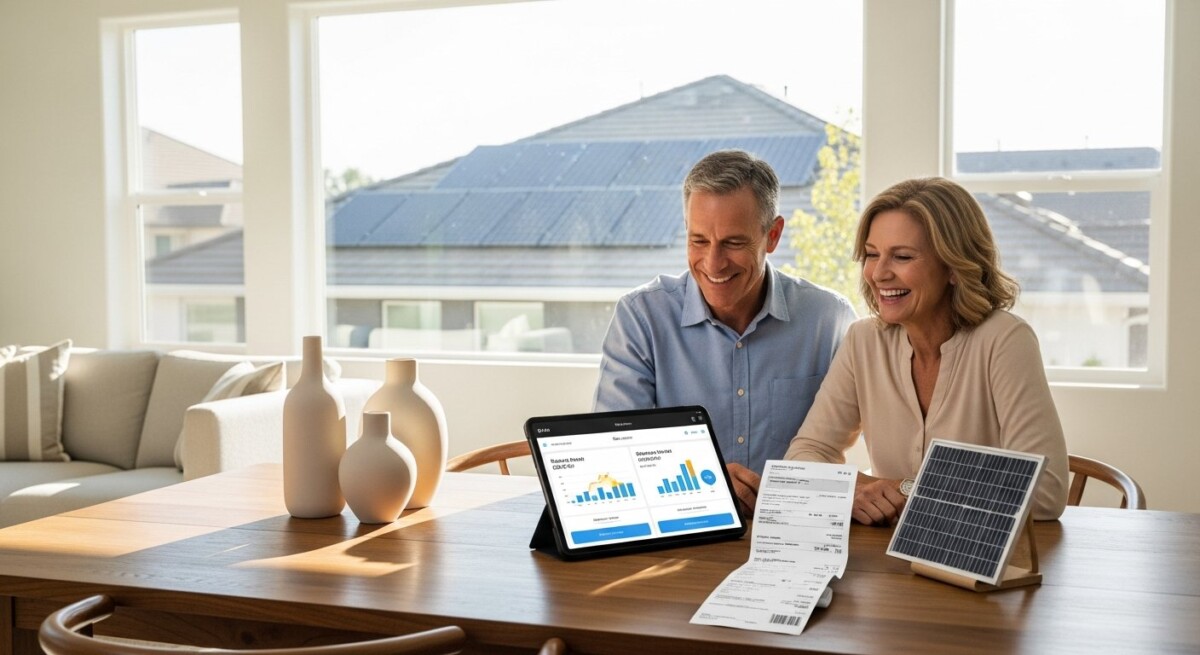
Every month, you open your electricity bill and wonder if there is a better way. Rising energy costs have made many homeowners search for how solar quote platforms work as a first step toward lower bills and energy independence. These online tools simplify the process of comparing solar installation quotes, helping you find a system that fits your home and budget.
Understanding How Solar Quote Platforms Work
A solar quote platform is an online service that connects homeowners with multiple pre-screened solar installers. You fill out a short form with details about your home, energy usage, and roof type, and the platform sends your information to several local or national companies. Within a day or two, you receive custom quotes that include system size, equipment options, financing choices, and estimated savings.
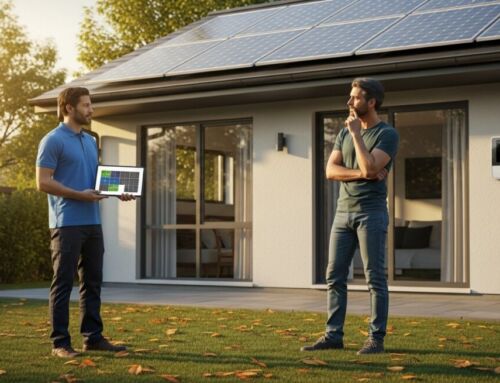
The goal is to save you time and ensure you see a range of offers. Instead of calling five different companies and repeating your details, you submit one request and let the installers compete for your business. This transparency helps you compare solar installation quotes side by side and choose the best value.
How the Technology Works Behind the Scenes
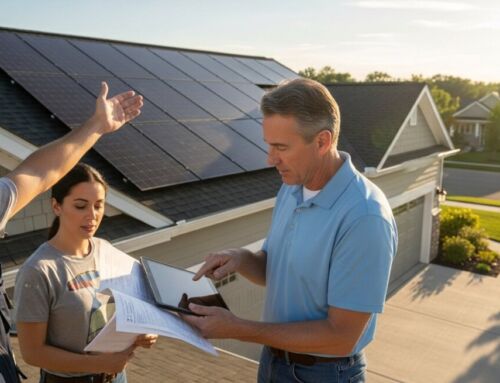
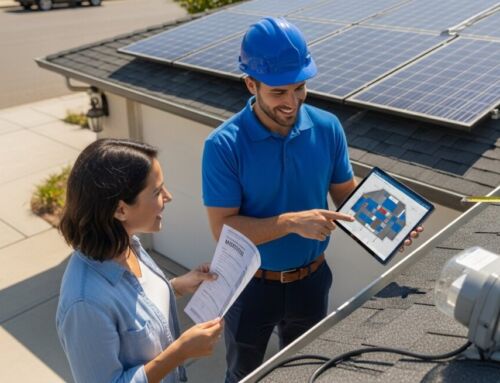
Most platforms use satellite imagery and public data to estimate your roof’s solar potential before any installer visits. Tools like Google’s Project Sunroof or similar mapping software analyze your roof’s size, tilt, shading, and sun exposure. This preliminary data gives installers a head start, making their initial quotes more accurate and saving you from unnecessary site visits.
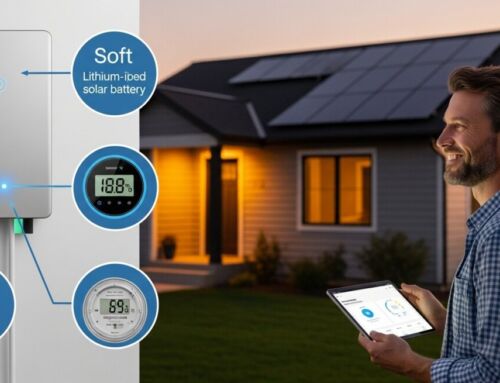
After you receive quotes, some platforms also offer calculators that project your long-term savings based on local electricity rates and available incentives. This feature helps you understand the financial picture before making a commitment.
Why Solar Energy Is Becoming More Popular
More homeowners are turning to solar because electricity prices have risen steadily over the past decade. According to the U.S. Energy Information Administration, residential electricity rates increased by about 15% between 2015 and 2023, with no sign of slowing down. Solar panels offer a way to lock in lower energy costs for the next 25 years or more.
Environmental concerns also play a role. Solar energy produces no greenhouse gases during operation, which helps reduce your household’s carbon footprint. For many families, going solar is a practical step toward fighting climate change while also saving money.
Long-term savings are the biggest draw. The average homeowner who installs solar panels saves between $10,000 and $30,000 over the system’s lifetime, depending on local incentives and energy use. This combination of financial and environmental benefits makes solar an increasingly attractive investment.
If you are considering solar power for your home, comparing installation quotes can help you understand your options. Request a free solar quote or call (800) 123-4567 to learn more.
Common Questions Homeowners Have About Solar
Many homeowners hesitate because they are unsure about upfront costs. The average solar installation in the United States costs between $15,000 and $25,000 before incentives, but federal and state programs can reduce that by 30% or more. Financing options like solar loans and leases also make the initial investment more manageable.
Another frequent concern is roof suitability. Not every roof is ideal for solar, but most can accommodate panels with some adjustments. A professional installer will assess your roof’s age, material, and orientation during the quote process.
Performance is also a common question. Solar panels work in most climates, including cloudy regions, though they produce less energy on overcast days. Modern systems are designed to maximize efficiency even in less-than-perfect conditions.
- How much does a solar system cost? Costs vary by size and location, but most systems fall in the $15,000,$25,000 range before incentives.
- Will solar panels work on my roof? Installers evaluate roof age, material, angle, and shading to determine suitability.
- How long do solar panels last? Most panels come with 25-year warranties and can produce electricity for 30 years or more.
- What happens during a power outage? Standard grid-tied systems shut off for safety, but battery backup can keep your home running.
- Are there government incentives available? Yes, the federal solar tax credit covers 30% of installation costs through 2032, and many states offer additional rebates.
- How much can I save on my electricity bill? Savings depend on system size and local rates, but many homeowners reduce their bills by 50,90%.
How Solar Panel Installation Works
The installation process typically takes one to three days once permits are approved. A professional crew mounts the panels on your roof, connects them to an inverter, and wires the system to your electrical panel. The whole process is designed to be minimally disruptive to your daily life.
Before installation begins, your chosen installer will handle the paperwork for permits and utility interconnection. This step ensures your system meets local building codes and allows you to sell excess energy back to the grid through net metering.
- Home energy assessment: An installer reviews your past electric bills and evaluates your home’s energy efficiency.
- System design: The installer creates a custom layout of panels and equipment based on your roof and energy goals.
- Permits and approvals: The installer submits applications to your local building department and utility company.
- Panel installation: Crews mount the panels, install the inverter, and run wiring to your main electrical panel.
- System activation: After inspection and utility approval, your system is turned on and starts generating power.
Speaking with experienced installers can help you determine the best solar solution for your home. Compare solar quotes here or call (800) 123-4567 to explore available options.
Signs Your Home May Be Ideal for Solar
Certain homes are better suited for solar than others. The most important factor is sunlight exposure: roofs that face south or west with minimal shading from trees or buildings produce the most energy. If your roof gets direct sun for most of the day, you are a strong candidate.
High electricity bills are another indicator. If you pay more than $100 per month on average, solar can likely reduce those costs significantly. Homeowners who plan to stay in their home for at least five to seven years also benefit most, as that is the typical payback period.
- Strong sunlight exposure: A south- or west-facing roof with little shade is ideal.
- High electricity bills: Monthly bills over $100 make solar a smart financial move.
- Suitable roof space: You need about 300,500 square feet of clear, unshaded roof area for a typical system.
- Long-term home ownership plans: Solar pays off best when you stay in your home for at least five years.
- Good roof condition: If your roof needs replacement soon, do that before installing panels.
- Local net metering policies: States with net metering allow you to earn credits for excess power sent to the grid.
What Affects Solar Installation Costs
System size is the biggest cost driver. A larger system that covers 100% of your electricity needs costs more upfront but delivers greater long-term savings. Most homeowners choose a system that offsets 70,100% of their annual usage.
Equipment quality also matters. Premium panels from brands like SunPower or LG are more efficient and last longer, but they come at a higher price. Budget-friendly panels from manufacturers like Canadian Solar or Trina offer solid performance at a lower cost. Your installer can help you balance upfront price with long-term value.
Installation complexity can add to the cost. Roofs with steep slopes, multiple stories, or unusual materials like tile or slate require more labor and specialized equipment. Local incentives and rebates, such as the federal tax credit or state-specific programs, can offset these expenses significantly.
The cost of solar installation varies depending on your home and energy needs. Request personalized solar quotes or call (800) 123-4567 to see what options are available.
Tips for Choosing a Reliable Solar Installer
Not all solar companies are created equal, so doing your research pays off. Look for installers with at least three to five years of experience and positive reviews on platforms like Google, Yelp, or the Better Business Bureau. A reputable installer should also offer strong warranties on both equipment and workmanship.
Getting multiple quotes is the most effective way to find a fair price. When you compare solar installation quotes, pay attention to the total system cost, the equipment brand, and the financing terms,not just the monthly payment. A slightly higher upfront cost with quality components often saves you more over the system’s life.
- Review installer experience: Choose companies with a proven track record and local knowledge.
- Check warranties: Look for at least a 25-year panel warranty and a 10-year workmanship warranty.
- Read customer reviews: Real feedback from past clients reveals a lot about service quality.
- Compare multiple quotes: Three to five quotes give you a clear picture of the market rate.
- Ask about certifications: Installers with NABCEP certification meet industry best practices.
- Understand financing options: Cash purchases offer the best savings, but loans and leases can work too.
Long-Term Benefits of Installing Solar Panels
Lower electricity bills are the most immediate benefit. After your system is paid off, your electricity costs drop to near zero for the remaining life of the panels. Over 25 years, that adds up to tens of thousands of dollars in savings.
Solar panels also increase your home’s value. Studies by Zillow and the National Renewable Energy Laboratory show that homes with solar sell for 4,6% more than comparable homes without it. Buyers value the lower utility costs and energy independence that solar provides.
On the environmental side, a typical residential solar system offsets about 3,4 tons of carbon dioxide per year,equivalent to planting 100 trees annually. And because solar gives you control over your energy production, you are less vulnerable to future rate hikes and grid disruptions. Energy independence is not just a buzzword; it is a practical reality for millions of American homeowners.
How Much Do Solar Panels Save on Electricity Bills?
Savings vary, but most homeowners see a 50,90% reduction in their monthly electric bill. The exact amount depends on system size, local rates, and how much sun your roof gets. Over 20 years, the average homeowner saves between $10,000 and $30,000.
Can I Get Solar Panels for Free?
There is no such thing as free solar panels, but many companies offer $0-down leases or power purchase agreements (PPAs). These options let you go solar with no upfront cost, though you do not own the system and save less over time.
What Is the Federal Solar Tax Credit?
The federal Investment Tax Credit (ITC) allows you to deduct 30% of your solar installation costs from your federal taxes. This credit applies to systems installed between 2022 and 2032 and gradually decreases after that.
How Long Does It Take to Install Solar Panels?
The physical installation takes one to three days. However, the entire process,from quote to activation,usually takes four to eight weeks, depending on permitting and utility approval timelines.
Do Solar Panels Work During a Power Outage?
Standard grid-tied solar systems shut down during an outage to protect utility workers. If you want backup power, you need a battery storage system like the Tesla Powerwall or LG Chem RESU.
What Happens If I Move After Installing Solar?
If you own your system, you can include it in the home sale and typically recover its value through a higher selling price. If you lease, you may need to transfer the lease to the new homeowner or buy out the contract.
Are Solar Panels Worth It in Cloudy or Cold Climates?
Yes. Solar panels still generate electricity on cloudy days, though at reduced efficiency. Cold temperatures actually improve panel performance, so northern states like Massachusetts and Oregon see strong solar production.
How Do I Compare Solar Installation Quotes?
Focus on the total system cost, equipment quality, warranty terms, and projected savings. Avoid focusing only on monthly payments, as longer loan terms can hide higher total costs. Using a solar quote platform makes it easy to compare multiple offers side by side.
Exploring solar energy is one of the smartest steps you can take for your home and your finances. By understanding how solar quote platforms work and comparing multiple offers, you can find a system that lowers your bills, increases your property value, and reduces your environmental impact. Start your journey today by requesting quotes from trusted local installers.