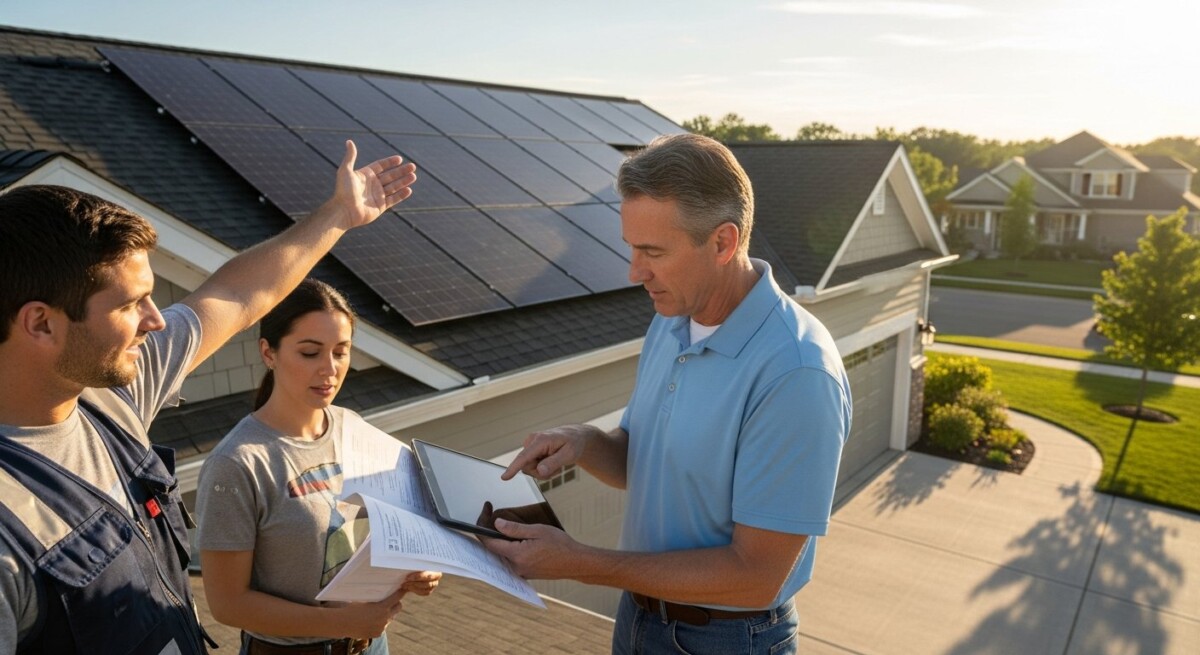
You open your monthly electricity bill and notice it has crept up again. Rising energy costs are pushing more homeowners to search for ways to reduce their expenses and gain control over their power usage. This is where solar energy comes into the picture, offering a path to lower bills and less dependence on the grid. A critical first step is understanding how solar installers are matched to your specific home and needs, which can make the difference between a smart investment and a costly mistake.
Understanding How Solar Installers Are Matched
Matching homeowners with the right solar installer is not a random process. It involves evaluating your home’s energy usage, roof characteristics, and local climate to find a professional who can design and install a system that works best for you. Think of it as a personalized pairing, where your unique situation connects with an installer’s expertise.
Modern matching platforms, like the one offered by NewSolarQuotes, use simple questionnaires to gather details about your property and energy goals. This information is then shared with vetted, certified installers who compete for your business by providing customized quotes. This approach saves you time and ensures you receive proposals tailored to your home, not generic estimates.
Why This Matters for Your Wallet
A proper match means the installer recommends the right system size and panel type for your roof’s angle and sunlight exposure. An oversized system wastes money, while an undersized one won’t cover your needs. By comparing matched quotes, you can see exactly what each installer offers and choose the best value.
More homeowners are turning to this method because it removes the guesswork and pressure of cold-calling companies. Instead, you receive multiple, competitive bids side by side, which helps you make an informed decision without feeling rushed. This transparency builds trust and leads to better long-term savings.
Why Solar Energy Is Becoming More Popular
Electricity rates have risen steadily across the United States, and many households are feeling the pinch. Solar power offers a way to lock in lower energy costs for decades, protecting you from future rate hikes. Beyond the financial angle, environmental concerns are also driving adoption, as homeowners seek to reduce their carbon footprint.
The long-term savings are substantial. Most solar systems pay for themselves within 6 to 10 years through reduced utility bills, after which the electricity you generate is essentially free. Additionally, federal tax credits and state-level rebates can lower the upfront cost by 30% or more, making solar more accessible than ever. In our guide on how solar installers are matched to save on energy bills, we explain how professional matching helps you maximize these incentives.
Energy independence is another powerful motivator. Producing your own power means you are less affected by grid outages and volatile energy markets. For many, this peace of mind is worth the initial investment, especially when paired with battery storage options.
If you are considering solar power for your home, comparing installation quotes can help you understand your options. Request a free solar quote or call to learn more.
Common Questions Homeowners Have About Solar
Before committing to solar, most homeowners have a few key questions. The most common concern is installation cost,how much will a system really cost after incentives? Another frequent question is whether their roof is suitable, especially if it has shading from trees or an unusual shape.
Performance is also top of mind. People want to know how much power their system will generate in different seasons and whether it will work during cloudy days. These are valid concerns that a professional installer can address with a detailed site assessment and energy production estimate.
- How much does a solar panel system cost for an average home?
- Will solar panels work on my roof if it is old or shaded?
- How long does it take for solar panels to pay for themselves?
- What happens to my electric bill after solar is installed?
- Do I need a battery with my solar system?
- Are there government incentives available in my state?
How Solar Panel Installation Works
Solar installation is a straightforward process when handled by experienced professionals. It begins with a home energy assessment, where the installer reviews your past utility bills and inspects your roof to determine the best system size and panel placement. This step is crucial for designing a system that matches your actual energy consumption.
Once the design is finalized, the installer handles all necessary permits and approvals with your local utility and building department. This paperwork can be complex, but a good installer manages it for you. The actual installation of panels and wiring usually takes one to three days, followed by a final inspection and system activation.
- Home energy assessment and roof inspection
- Custom system design and equipment selection
- Permit applications and utility approvals
- Panel mounting, wiring, and inverter installation
- Final inspection and grid connection (system activation)
Speaking with experienced installers can help you determine the best solar solution for your home. Compare solar quotes here or call to explore available options.
Signs Your Home May Be Ideal for Solar
Not every home is equally suited for solar, but many are. The most important factor is strong sunlight exposure. If your roof faces south or west and receives direct sunlight for most of the day, you are in a great position to generate significant power. Homes with less ideal orientation can still benefit, but may need more panels or a different system design.
Your roof condition and available space also matter. A roof in good condition with at least 10 to 15 years of life left is ideal, as panels last 25 to 30 years. If you have a large, unshaded roof area, you can install a system that covers most or all of your electricity needs.
- Your roof gets at least 4,5 hours of direct sunlight daily
- Your electricity bills are consistently high
- You have ample, unshaded roof space (south- or west-facing)
- You plan to stay in your home for at least 5,10 years
- Your state offers net metering or solar incentives
- Your roof is in good condition and less than 15 years old
What Affects Solar Installation Costs
The cost of a solar system varies widely based on several factors. System size is the biggest driver,a larger system that covers 100% of your energy use will cost more than a smaller one that offsets just half. Equipment quality also matters: premium panels and inverters are more efficient but come with a higher price tag.
Installation complexity can add to the cost. If your roof is steep, has multiple angles, or requires structural reinforcement, the labor costs will be higher. Local incentives and rebates can dramatically lower your net cost, so it is important to research what is available in your area. For a deeper look at this topic, read our article on are online solar installers reliable to understand how to vet quotes effectively.
The cost of solar installation varies depending on your home and energy needs. Request personalized solar quotes or call to see what options are available.
Tips for Choosing a Reliable Solar Installer
Selecting the right installer is just as important as choosing the right equipment. Start by reviewing the installer’s experience and certifications. Look for companies that employ North American Board of Certified Energy Practitioners (NABCEP) certified professionals, as this indicates a high level of training and commitment to quality.
Warranties are another critical factor. A reliable installer will offer a workmanship warranty of at least 10 years, and the equipment should come with its own manufacturer’s warranty,typically 25 years for panels. Reading customer reviews on independent platforms can also reveal how the company handles issues after installation.
- Check for NABCEP certification and proper licensing
- Review the workmanship and equipment warranties
- Read recent customer reviews on Google or EnergySage
- Compare at least three quotes to see price and service differences
- Ask about monitoring and maintenance services
- Ensure the installer handles all permits and inspections
Long-Term Benefits of Installing Solar Panels
The most immediate benefit of solar panels is lower electricity bills. Once your system is operational, you generate your own power, reducing the amount you purchase from the utility. Over 20 to 30 years, these savings can amount to tens of thousands of dollars, depending on your local electricity rates and system size.
Solar panels also increase your home’s resale value. Studies show that homes with solar systems sell for a premium compared to similar homes without them. Buyers are attracted to the prospect of lower utility costs, making your property more appealing on the market. Additionally, generating clean energy reduces your household’s carbon emissions, contributing to a healthier environment.
Energy independence is perhaps the most empowering benefit. With your own power source, you are less vulnerable to grid failures and rising energy prices. Pairing solar with battery storage can keep your lights on during outages, giving you true self-sufficiency.
Frequently Asked Questions
How are solar installers matched to homeowners?
Solar installers are matched based on your home’s energy needs, roof characteristics, location, and budget. Matching platforms collect this information and share it with pre-screened installers who then provide customized quotes. This ensures you receive proposals from professionals who are suited to your specific situation.
How much can I save on my electricity bill with solar panels?
Savings vary based on your local utility rates, system size, and sun exposure. On average, homeowners reduce their electricity bills by 50% to 90% or even eliminate them entirely. Over 20 years, total savings often range from $20,000 to $40,000.
What is the average cost of solar panel installation?
The average cost for a residential solar system in the U.S. is between $15,000 and $25,000 before incentives. After the federal tax credit (30%), the net cost drops to roughly $10,500 to $17,500. State and local rebates can further reduce this amount.
How long does solar panel installation take?
The physical installation of panels usually takes one to three days. The entire process, from initial consultation to system activation, typically takes four to eight weeks due to permitting and utility approvals. An experienced installer can streamline this timeline.
Do solar panels work during cloudy days or winter?
Yes, solar panels still generate electricity on cloudy days, though at reduced efficiency,typically 10% to 25% of their rated output. In winter, shorter days mean less total generation, but systems are designed to produce enough power across the entire year to meet your needs.
What happens if I move after installing solar panels?
If you own the solar system outright, it can increase your home’s resale value. You can either include the panels in the sale or transfer the lease if you have one. Many buyers view solar as a valuable asset because of the ongoing electricity savings.
Are there government incentives for solar in 2025?
Yes, the federal solar investment tax credit (ITC) remains at 30% for systems installed through 2032. Many states also offer additional rebates, tax credits, or net metering programs. Your matched installer can help you identify and apply for all applicable incentives.
How do I know if my roof is suitable for solar panels?
A professional installer will evaluate your roof’s age, condition, angle, and shading during a site assessment. Generally, roofs that are less than 15 years old, face south or west, and receive direct sunlight for most of the day are excellent candidates.
Exploring solar energy is a practical step toward lowering your electricity bills and gaining energy independence. By understanding how solar installers are matched, you can approach the process with confidence and compare quotes that truly fit your home. Start today by requesting quotes from certified professionals and taking control of your energy future.