You open your monthly electricity bill and feel a familiar pang of frustration. Costs keep climbing, and you wonder if there is a way to finally take control. This is why more homeowners are searching for a solar provider marketplace,a simple way to compare solar options, reduce monthly bills, and gain energy independence. Instead of guessing which installer to trust, you can see multiple offers side by side and choose the best fit for your home.
Understanding Solar Provider Marketplace
A solar provider marketplace is an online platform that connects homeowners with vetted solar installation companies. Think of it like a travel booking site, but instead of flights and hotels, you compare solar panel systems, pricing, and warranties. These marketplaces simplify the research process by letting you review multiple proposals in one place.
When you submit a request through a marketplace, local installers review your home’s details and energy usage. They then send you customized quotes that include equipment options, financing choices, and estimated savings. This approach saves you hours of phone calls and helps you avoid high-pressure sales tactics. More homeowners are turning to marketplace because it offers transparency and makes it easier to find a system that fits both their budget and their roof.
Why Solar Energy Is Becoming More Popular
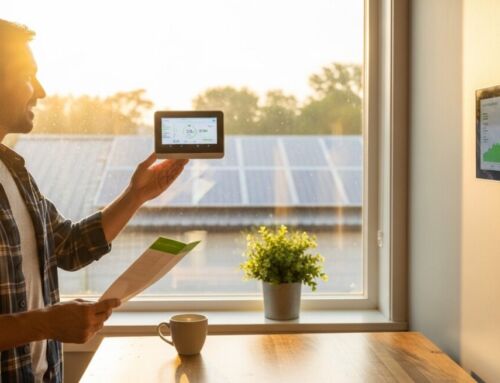
Electricity rates have risen steadily over the past decade, and many homeowners feel the pinch. Installing solar panels allows you to generate your own power, which can dramatically reduce or even eliminate your monthly electric bill. Over time, those savings add up, often covering the cost of the system and then some.
Beyond financial reasons, more people are choosing solar to reduce their carbon footprint. Solar energy is clean, renewable, and produces no greenhouse gases once installed. For homeowners who want to make an environmentally responsible choice without sacrificing comfort, solar power offers a practical solution.
Long-term savings are a powerful motivator. While the upfront cost can feel significant, most solar systems pay for themselves within 6 to 10 years. After that, the electricity you generate is essentially free. When you combine lower bills with federal tax credits and local rebates, the financial case for solar becomes very compelling.
If you are considering solar power for your home, comparing installation quotes can help you understand your options. Request a free solar quote or call to learn more.
Common Questions Homeowners Have About Solar
Many homeowners worry that solar panels are too expensive or that their roof isn’t suitable. The truth is that solar costs have dropped dramatically in recent years, and financing options make it accessible to more households. A professional installer can evaluate your roof’s age, angle, and sun exposure to determine if it will work well.
Performance is another top concern. People want to know if panels will still produce power on cloudy days or during winter. While output does decrease in less-than-ideal conditions, modern panels are efficient enough to generate meaningful electricity even in overcast weather. Your installer will design a system sized to meet your annual energy needs.
- How much does a typical solar system cost after incentives?
- Will solar panels work on my roof if it faces north or has shading?
- How long do solar panels last, and what maintenance is required?
- Can I add battery storage later if I want backup power?
- What happens to my solar production during a power outage?
How Solar Panel Installation Works
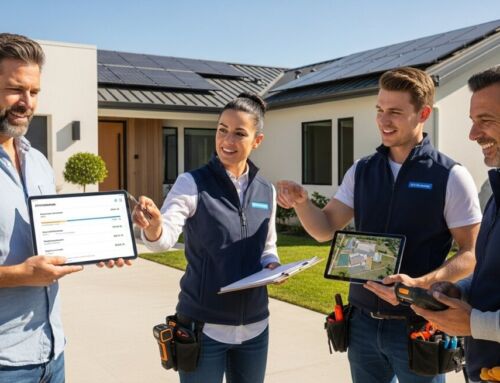
The installation process starts with a home energy assessment. An installer reviews your past electric bills, measures your roof, and checks for any structural issues. This step ensures the system you choose will meet your household’s actual energy usage.
Once the assessment is complete, the installer designs a custom solar array. They select the right number of panels, choose inverters, and plan the wiring layout. After you approve the design, the company handles permits and approvals from your local utility and municipality. Actual installation usually takes one to three days, followed by a final inspection and grid connection.
- Home energy assessment and roof evaluation
- Custom system design and equipment selection
- Permits and approvals from local authorities
- Professional panel installation and electrical work
- Final inspection and system activation
Speaking with experienced installers can help you determine the best solar solution for your home. Compare solar quotes here or call to explore available options.
Signs Your Home May Be Ideal for Solar
Not every home is perfectly suited for solar, but many are. The best candidates have roofs that receive direct sunlight for most of the day, especially on south-facing slopes. If your roof is less than 15 years old and in good condition, it can likely support panels without needing replacement soon.
Your current electricity bill is another clue. If you pay a high rate per kilowatt-hour or consume a lot of power, solar can deliver bigger savings. Homeowners who plan to stay in their house for at least five to seven years also benefit the most, since that gives the system time to pay for itself.
- Your roof gets at least 4,5 hours of direct sunlight daily
- Your monthly electric bill is consistently over $100
- You have ample roof space without too many vents or chimneys
- You plan to live in your home for several more years
- Your local utility offers net metering or solar buyback programs
What Affects Solar Installation Costs
System size is the biggest cost driver. A larger home with higher energy usage will need more panels, which increases the total price. Equipment quality also matters,premium panels and microinverters cost more but often produce more power and last longer.
Installation complexity can add to the price. If your roof is steep, has multiple angles, or requires electrical panel upgrades, labor costs will be higher. On the flip side, local incentives and the federal solar tax credit can reduce your out-of-pocket cost by 30 percent or more. In our guide on 2 drawbacks of solar energy explained, we cover potential challenges like upfront costs and weather dependency so you can make an informed decision.
The cost of solar installation varies depending on your home and energy needs. Request personalized solar quotes or call to see what options are available.
Tips for Choosing a Reliable Solar Installer
Choosing the right installer is just as important as choosing the right panels. A reputable company will have years of experience, proper licensing, and a track record of happy customers. They should also offer strong warranties on both the equipment and their workmanship.
Reading online reviews and asking for references can give you confidence in your choice. Avoid installers who pressure you to sign immediately or promise unrealistic savings. The best way to find a trustworthy professional is to compare multiple quotes and see which company offers the clearest, most detailed proposal.
- Verify the installer is licensed, insured, and certified
- Ask about panel and inverter warranty terms (25 years is standard)
- Read recent customer reviews on Google, Yelp, or EnergySage
- Get at least three quotes to compare pricing and system designs
- Check if the company handles permits and paperwork for you
Long-Term Benefits of Installing Solar Panels
Once your system is live, you will start seeing lower electricity bills almost immediately. Over 20 to 25 years, those savings can total tens of thousands of dollars. Solar panels also increase your home’s resale value,studies show that buyers are willing to pay a premium for a house with owned solar panels.
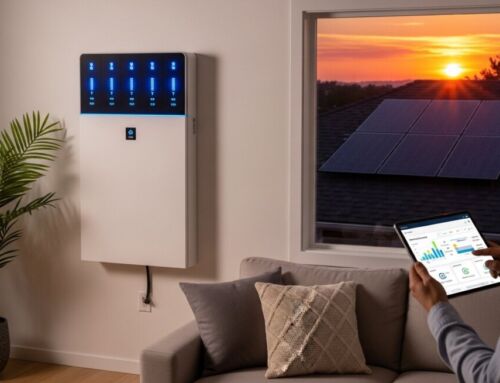
Beyond the financial perks, solar gives you energy independence. You are less affected by utility rate hikes and grid outages, especially if you pair your panels with battery storage. In our article on batteries and solar: a perfect match, we explain how adding storage can keep your lights on during blackouts and maximize your savings. Environmentally, each solar home reduces carbon emissions by roughly three to four tons per year,the equivalent of planting over 100 trees annually.
Frequently Asked Questions
How does a solar provider marketplace work?
A solar provider marketplace collects your home and energy information, then shares it with pre-screened installers in your area. Those installers submit competitive quotes that you can compare online. You choose the offer that best fits your budget and needs.
Will solar panels save me money every month?
Yes, most homeowners see a noticeable drop in their electric bills immediately after installation. The exact savings depend on your local utility rates, system size, and sun exposure. Over the life of the system, you can save between $10,000 and $30,000 or more.
What is the federal solar tax credit for 2025?
The federal Investment Tax Credit (ITC) currently allows you to deduct 30 percent of your solar installation cost from your federal taxes. This credit applies to systems installed through 2032, with no cap on its value. It is one of the most powerful incentives available to homeowners.
Do I need a new roof before installing solar panels?
Not necessarily, but your roof should be in good condition and have at least 10,15 years of life left. Since panels last 25 years or more, it is usually wise to replace an aging roof before installation. A professional installer can help you assess your roof’s readiness.
How long does the entire solar installation process take?
From initial quote to system activation, the process typically takes 4 to 8 weeks. This timeline includes design, permitting, installation, and utility approval. Actual installation on your roof usually takes only 1 to 3 days.
Can I go off-grid with solar panels?
It is possible but requires a large battery bank and careful energy management. Most homeowners choose to stay connected to the grid so they can use net metering to sell excess power back to the utility. This approach provides the best balance of savings and reliability.
What happens if my panels produce more electricity than I use?
Excess power is sent back to the grid, and your utility credits your account through net metering. Those credits offset the electricity you draw from the grid at night or on cloudy days. This arrangement maximizes the value of your solar system.
Are solar panels covered by homeowners insurance?
Most standard homeowners insurance policies cover solar panels as part of your dwelling or personal property. You should notify your insurance provider after installation to ensure adequate coverage. Some policies may require an increase in your coverage limits.
Switching to solar is one of the smartest investments you can make for your home and your wallet. By using a solar provider marketplace to compare quotes, you gain clarity on pricing, equipment, and installer quality. Take the first step today and see how much you could save.