Every month, you open your electricity bill and wonder if there is a better way. Rising energy costs have pushed many homeowners to explore solar power as a long-term solution. You want to reduce your monthly expenses, gain energy independence, and maybe even help the environment. But with so many installers and system options available, understanding how to compare solar installation offers can feel overwhelming. This guide will walk you through the process in clear, simple language so you can make a confident choice.
Understanding How to Compare Solar Installation Offers
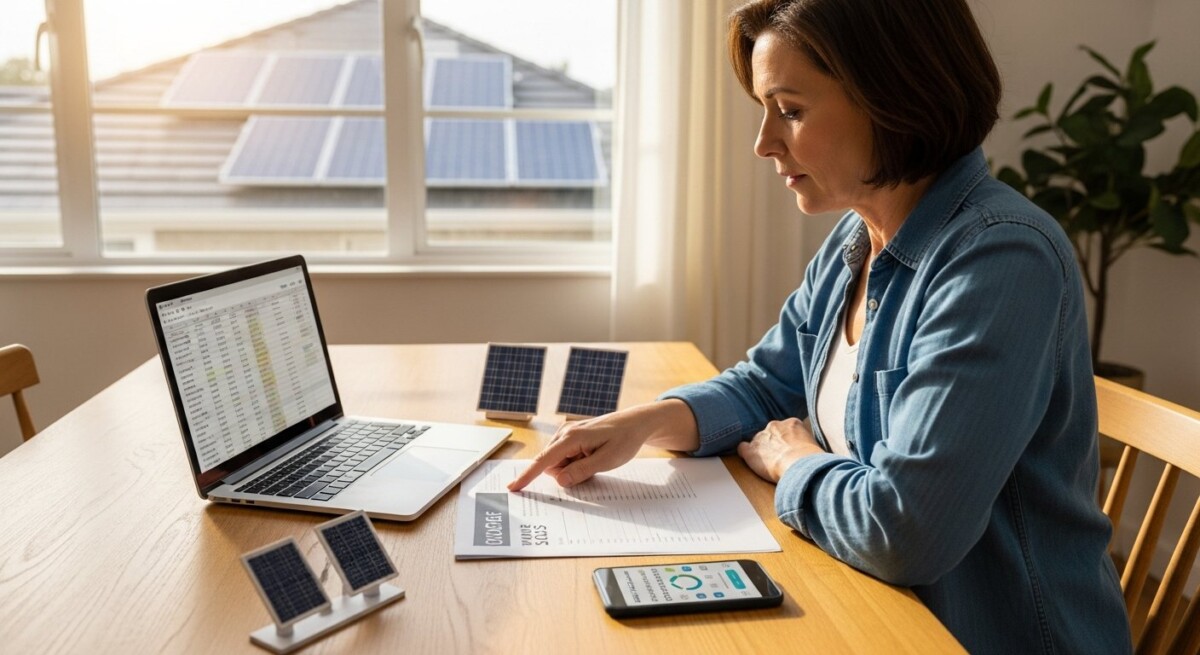
Comparing solar installation offers means looking beyond the total price tag. It involves evaluating the equipment, warranties, financing terms, and installer reputation side by side. A lower upfront cost might hide cheaper panels or a shorter warranty, while a higher quote could include premium components and better long-term support.
When you receive multiple quotes, you are not just shopping for a price,you are choosing a partner for the next 25 years. Solar panels are a significant investment, and the right system will pay for itself many times over through lower electricity bills. In our guide on compare solar installation offers for maximum savings, we explain how to spot the differences between proposals.
What Makes a Solar Quote Different?
Each installer designs a system based on your home’s roof, sun exposure, and energy usage. Some may propose high-efficiency panels that generate more power in limited space, while others might offer standard panels at a lower cost. The inverter type, battery storage options, and monitoring software also vary between quotes.
More homeowners are comparing offers because solar technology has become more affordable and reliable. With federal tax credits and state rebates available, the net cost of installation has dropped significantly. This makes it an ideal time to explore your options and secure a system that fits your budget.
Why Solar Energy Is Becoming More Popular
Electricity rates have risen steadily over the past decade, and many utility companies project further increases. Solar panels allow you to lock in a fixed energy cost and reduce your dependence on the grid. Over time, the savings on your monthly bill can offset the initial installation expense.
Environmental concerns also drive the shift to solar. Homeowners want to reduce their carbon footprint and contribute to a cleaner energy future. Solar power produces no emissions during operation, making it one of the most eco-friendly choices available.
Long-term financial savings are the strongest motivator. A properly sized solar system can cut your electricity bill by 50 to 90 percent, and with net metering, you may even earn credits for excess power sent back to the grid. These savings add up year after year, increasing your home’s value and your financial peace of mind.
If you are considering solar power for your home, comparing installation quotes can help you understand your options. Request a free solar quote or call to learn more.
Common Questions Homeowners Have About Solar
Most homeowners start with the same questions: How much does it cost? Will my roof work? And how long will it take to see savings? These are valid concerns, and a good installer will address them clearly before you sign any contract.
Installation cost varies based on system size, equipment quality, and local labor rates. Roof suitability depends on age, material, angle, and shading from trees or nearby buildings. System performance is measured in kilowatt-hours (kWh) produced annually, and installers can estimate this based on your location and roof characteristics.
- How much will solar panels cost for my home?
- Is my roof suitable for solar panels?
- How long does installation take?
- What happens if my panels produce more energy than I use?
- Do I need a battery with my solar system?
- Will solar panels work on cloudy days?
How Solar Panel Installation Works
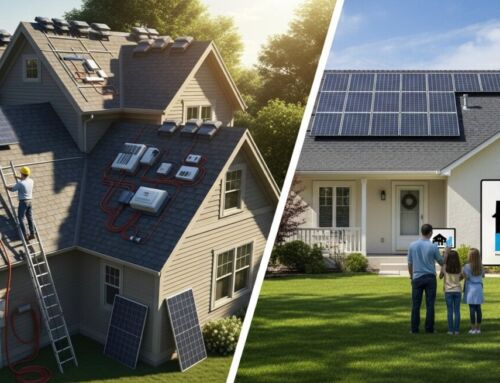
The installation process begins with a home energy assessment. An installer reviews your past electricity bills, inspects your roof, and measures sunlight exposure. Based on this data, they design a system that meets your energy needs and fits your roof layout.
Once you approve the design, the installer handles permits and approvals from your local utility and municipality. This step ensures your system meets safety and grid connection standards. After permits are secured, the physical installation takes one to three days, depending on system size and roof complexity.
- Schedule a home energy assessment and roof inspection.
- Review the system design and equipment choices.
- Obtain permits and utility approvals.
- Install racking, panels, inverters, and wiring.
- Connect the system to the grid and activate monitoring.
Speaking with experienced installers can help you determine the best solar solution for your home. Compare solar quotes here or call to explore available options.
Signs Your Home May Be Ideal for Solar
Not every home is perfectly suited for solar, but many are. The best candidates have a roof that faces south, west, or east with minimal shading from trees or chimneys. A roof in good condition, with at least 15 to 20 years of life left, is also important because panels are designed to last for decades.
If your electricity bills are high, solar can provide immediate relief. Homes that use 600 kWh or more per month often see the fastest return on investment. Additionally, if you plan to stay in your home for five years or longer, the savings will typically exceed the upfront cost.
- Your roof receives strong sunlight for most of the day.
- Your monthly electricity bills are consistently high.
- You have adequate unshaded roof space (usually 300 square feet or more).
- You plan to own your home for at least five more years.
- Your local utility offers net metering or solar incentives.
- Your roof is less than 15 years old or in good condition.
What Affects Solar Installation Costs
System size is the biggest factor. A larger system that covers 100 percent of your energy needs costs more upfront but delivers greater long-term savings. Equipment quality also plays a role,premium panels with higher efficiency and longer warranties command a higher price.
Installation complexity can increase costs. A steep roof, unusual roofing material, or the need for electrical panel upgrades adds labor and material expenses. Local incentives and tax credits reduce the net cost significantly, so it pays to research what is available in your area.
When comparing offers, look at the cost per watt, which standardizes pricing across different system sizes. A typical residential system costs between $2.50 and $3.50 per watt before incentives. Be wary of quotes that are significantly lower or higher than this range without clear justification.
The cost of solar installation varies depending on your home and energy needs. Request personalized solar quotes or call to see what options are available.
Tips for Choosing a Reliable Solar Installer
A trustworthy installer makes all the difference. Look for companies with several years of experience, proper licensing, and a strong track record in your area. Check online reviews on platforms like Google, Yelp, and the Better Business Bureau to gauge customer satisfaction.
Warranties are a key indicator of confidence. A solid installer offers a workmanship warranty of at least 10 years and uses equipment backed by manufacturer warranties of 25 years or more. Read the fine print to understand what is covered and what is not.
- Review the installer’s experience and number of completed projects.
- Check warranty coverage for panels, inverters, and workmanship.
- Read customer reviews and ask for references.
- Compare at least three quotes before making a decision.
- Ask about financing options, including loans, leases, and PPAs.
- Verify licensing, insurance, and certifications like NABCEP.
Long-Term Benefits of Installing Solar Panels
Lower electricity bills are the most immediate benefit. Once your system is paid off, the power it generates is essentially free, protecting you from future rate hikes. Over 25 years, the cumulative savings can reach tens of thousands of dollars.
Solar panels also increase your home’s resale value. Studies show that homes with solar systems sell for a premium compared to similar homes without them. Buyers recognize the value of lower utility costs and energy independence.
On a broader scale, every solar installation reduces demand for fossil fuels and cuts greenhouse gas emissions. By generating your own clean energy, you contribute to a more resilient and sustainable energy grid. It is a practical step toward a greener future that also benefits your wallet.
Frequently Asked Questions
How do I start comparing solar installation offers?
Begin by collecting at least three quotes from licensed installers in your area. Use an online quote comparison service or contact companies directly. Focus on the cost per watt, equipment specifications, warranties, and financing terms to make an apples-to-apples comparison.
What should I look for in a solar panel warranty?
Look for a product warranty of 25 years on panels and 10 to 12 years on inverters. A workmanship warranty from the installer should cover defects and installation errors for at least 10 years. Longer warranties often indicate higher quality components.
Can I get solar panels if my roof is old?
It is possible, but you may need to replace your roof first. Solar panels last 25 to 30 years, so installing them on an aging roof can lead to costly removal and reinstallation later. Many installers recommend a roof inspection before proceeding.
How much money can I save with solar panels?
Savings depend on your energy usage, system size, local electricity rates, and available incentives. On average, homeowners save between $10,000 and $30,000 over 20 years. Using our compare solar installation quotes for maximum savings guide can help you estimate your personal return.
Do solar panels work during a power outage?
Standard grid-tied solar systems shut down during outages for safety reasons. If you want backup power, you need a battery storage system like the Tesla Powerwall or Enphase Encharge. Batteries add to the cost but provide energy independence during blackouts.
What financing options are available for solar?
You can pay cash, take out a solar loan, lease the system, or sign a power purchase agreement (PPA). Cash and loans offer the best long-term savings because you own the system. Leases and PPAs require no upfront cost but provide lower savings over time.
How long does it take to recoup the cost of solar panels?
The payback period typically ranges from 6 to 12 years, depending on your location, energy use, and incentives. After that, the electricity your system generates is essentially free, providing decades of savings.
Will solar panels increase my property taxes?
In many states, solar panels are exempt from property tax assessments, meaning your home value increases without a tax hike. Check with your local assessor’s office to confirm the rules in your area, as policies vary by state.
Exploring solar energy is a smart step toward lower bills, energy independence, and a cleaner planet. By learning how to compare solar installation offers and gathering multiple quotes, you can find a system that fits your home and budget. Take the first step today and see what solar can do for you.