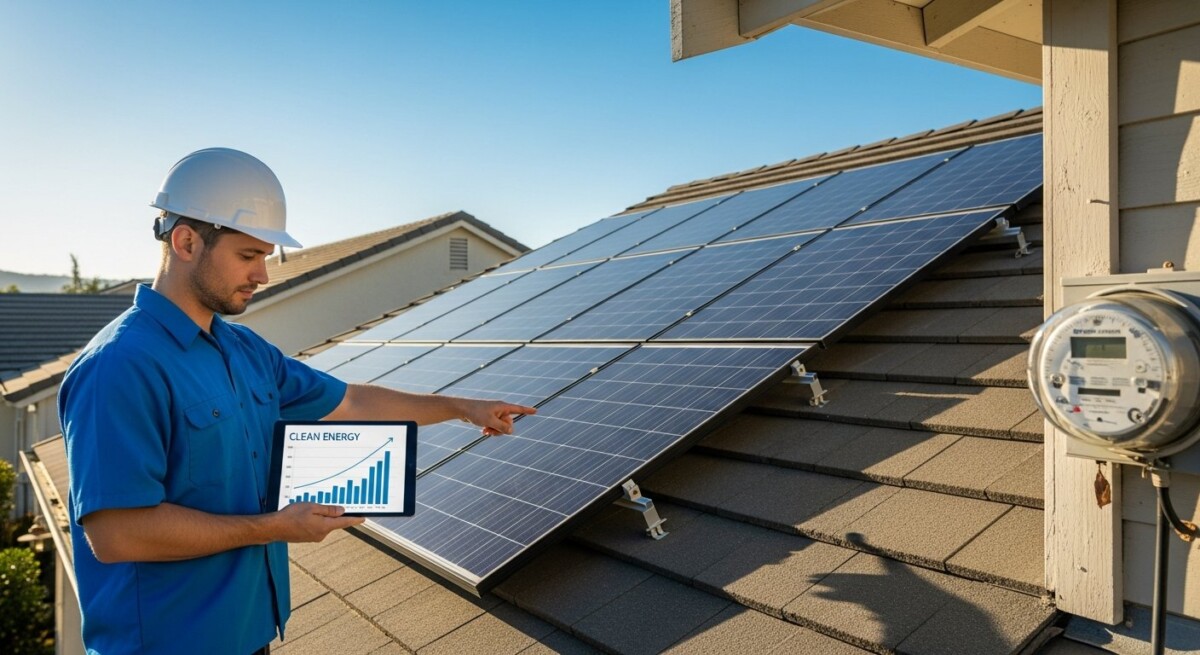
Your monthly electricity bill has been climbing, and you keep hearing about neighbors switching to solar power. Like many homeowners, you are probably wondering how to determine solar system size that will actually cover your energy needs without overspending. The idea of reducing your dependence on the power grid while saving money is appealing, but the technical details can feel overwhelming. Understanding how to determine solar system size is the first step toward energy independence and lower utility costs.
Understanding how to determine solar system size
Solar system sizing is the process of calculating how many solar panels you need to generate enough electricity for your home. It is not a one-size-fits-all number,your system size depends on your household’s unique energy consumption, roof characteristics, and local sunlight conditions. In simple terms, you match your annual electricity usage (measured in kilowatt-hours) with the output capacity of a solar array (measured in kilowatts).
Most professional installers begin by reviewing 12 months of your utility bills to establish a baseline. They then factor in your roof’s orientation, tilt, and shading to determine how much sunlight your panels will actually capture. The goal is to design a system that offsets most or all of your electricity usage without overbuilding, which wastes money.
More homeowners are choosing solar because modern panels are more efficient and affordable than ever. With federal tax credits and state-level incentives, the upfront cost has dropped significantly, making solar a practical investment for the average household.
Why Solar Energy Is Becoming More Popular
Rising electricity rates are the primary driver behind the surge in residential solar adoption. Utility companies across the country have increased rates year after year, and solar offers a way to lock in a stable energy cost for decades. Beyond savings, many homeowners are motivated by environmental concerns and the desire to reduce their carbon footprint.
Long-term financial savings are substantial. A properly sized solar system can save you tens of thousands of dollars over its 25- to 30-year lifespan. Additionally, solar panels increase your home’s resale value, often selling at a premium compared to homes without solar. Energy independence also provides peace of mind during grid outages or price spikes.
If you are considering solar power for your home, comparing installation quotes can help you understand your options. Request a free solar quote or call to learn more.
Common Questions Homeowners Have About Solar
Many homeowners worry about the initial cost of installation and whether their roof can support solar panels. These are valid concerns, but experienced installers can address them during a free consultation. Most solar companies offer financing options that make the upfront cost manageable, and many homeowners see immediate savings on their monthly bills.
Another frequent question is whether solar panels perform well in cloudy or cold climates. Modern photovoltaic technology works efficiently even in indirect sunlight, and cooler temperatures actually improve panel performance. As long as your roof receives several hours of direct sunlight per day, solar is likely a viable option.
- How much does a solar system cost for an average home?
- Will solar panels work during a power outage?
- How long does it take to recoup the investment?
- Do I need to replace my roof before installing solar?
- What happens if I move before the system is paid off?
- Are there maintenance requirements for solar panels?
How Solar Panel Installation Works
The installation process is straightforward when handled by a qualified professional. It begins with a site visit and energy assessment, where the installer measures your roof, evaluates shading, and reviews your electricity usage. Based on that data, they design a custom system that fits your home and budget.
Once the design is finalized, the installer handles all permits and approvals with your local utility and building department. Actual installation typically takes one to three days, depending on system size and roof complexity. After installation, the system is inspected and connected to the grid, and you start generating your own power immediately.
- Home energy assessment and roof evaluation
- Custom system design and equipment selection
- Permitting and utility approval process
- Professional panel and inverter installation
- Final inspection and system activation
Speaking with experienced installers can help you determine the best solar solution for your home. Compare solar quotes here or call to explore available options.
Signs Your Home May Be Ideal for Solar
Certain characteristics make some homes more suitable for solar than others. If your roof faces south or west with minimal shading from trees or nearby buildings, you likely have excellent solar potential. A roof that is relatively new or in good condition is also ideal, since panels are designed to last 25,30 years.
High electricity bills are a strong indicator that solar could benefit you. If you pay more than $100 per month on average, solar will likely provide meaningful savings. Homeowners who plan to stay in their home for at least five to seven years typically see the best return on investment.
- Unshaded roof with southern or western exposure
- Monthly electricity bills above $100
- At least 300 square feet of usable roof space
- Roof installed within the last 10 years
- Plan to remain in the home for several years
- Local utility offers net metering or solar incentives
What Affects Solar Installation Costs
System size is the biggest cost factor,larger systems require more panels and higher-capacity inverters, driving up the price. Equipment quality also matters: premium panels and microinverters cost more but deliver better performance and longer warranties. Installation complexity, such as roof pitch, material, and access, can add labor costs.
Local incentives dramatically affect your net cost. The federal Investment Tax Credit (ITC) currently allows you to deduct 30% of your system cost from your federal taxes. Many states and utilities offer additional rebates, performance payments, or solar renewable energy credits (SRECs) that further reduce the price.
The cost of solar installation varies depending on your home and energy needs. Request personalized solar quotes or call to see what options are available.
Tips for Choosing a Reliable Solar Installer
Selecting the right installer is just as important as choosing the right equipment. Look for companies with several years of experience and a track record of successful installations in your area. Verify that they hold proper licenses, insurance, and certifications such as NABCEP (North American Board of Certified Energy Practitioners).
Warranties are a sign of confidence in the workmanship and equipment. Reputable installers offer at least a 10-year workmanship warranty and use panels with 25-year performance guarantees. Reading customer reviews on platforms like Google, Yelp, or the Better Business Bureau can reveal patterns in service quality.
- Check installer licensing and insurance credentials
- Ask about equipment warranties and performance guarantees
- Read recent customer reviews and request references
- Obtain and compare at least three detailed quotes
- Verify the company handles all permitting and inspections
Long-Term Benefits of Installing Solar Panels
The most immediate benefit is lower electricity bills,many homeowners reduce their monthly costs by 50% or more. Over the life of the system, those savings add up to tens of thousands of dollars. Solar also increases your home’s market value; studies show that homes with solar sell for about 4% more than comparable non-solar homes.
From an environmental perspective, a typical residential solar system offsets roughly three to four tons of carbon emissions annually. That is equivalent to planting over 100 trees each year. Energy independence also means you are less vulnerable to future rate hikes and grid instability.
Frequently Asked Questions
How do I calculate the size of the solar system I need?
Start by reviewing your annual electricity usage in kilowatt-hours (kWh) from your utility bills. Divide that number by the average annual sunlight hours in your area (typically 1,200,1,600 hours). The result is the approximate system size in kilowatts needed to cover your usage. A professional installer will refine this calculation using roof measurements and shading analysis.
What size solar system do I need for a 2,000-square-foot home?
A 2,000-square-foot home typically uses between 800 and 1,200 kWh per month, which translates to a 6,10 kW solar system. However, energy consumption varies widely based on appliances, HVAC efficiency, and household habits. The only accurate way to determine your size is to analyze your actual utility bills.
How many solar panels does it take to run a house?
The average American home needs between 16 and 25 solar panels, assuming 400-watt panels. A 6 kW system would require about 15 panels, while a 10 kW system would need about 25 panels. Your specific number depends on your energy usage and the efficiency of the panels you choose.
Can a 10 kW solar system power a house?
Yes, a 10 kW solar system can power most average-sized homes in the United States. It typically generates 11,000,14,000 kWh per year, which covers the annual consumption of many households. Homes with very high energy usage, such as those with electric heating or pools, may need a larger system.
What is the best roof orientation for solar panels?
South-facing roofs with a tilt between 15 and 40 degrees produce the most energy in the Northern Hemisphere. West-facing roofs are also good, especially for homes with time-of-use electricity rates, since they generate power during peak afternoon hours. East-facing roofs produce less overall but can still be viable.
Do I need to clean my solar panels?
Solar panels are self-cleaning to some degree from rain and wind. In most climates, you do not need to clean them regularly. However, in dusty areas or places with heavy pollen, occasional rinsing with a garden hose can improve performance. Most installers recommend inspection every few years rather than routine cleaning.
How long does it take to install solar panels?
The physical installation of solar panels typically takes one to three days. The entire process, from initial consultation to final activation, usually takes four to eight weeks. Most of that time is spent on permitting, paperwork, and utility approvals rather than actual installation.
What happens to solar panels at the end of their life?
Solar panels have a useful life of 25,30 years, after which they still produce electricity but at reduced efficiency (around 80,85% of original output). They can be recycled through specialized facilities that recover glass, aluminum, and silicon. Many manufacturers now offer take-back or recycling programs.
Determining the right solar system size for your home is a smart first step toward lower energy bills and a greener future. By understanding your energy needs and working with qualified professionals, you can design a system that delivers real savings. The best way to find the right fit is to compare multiple quotes from certified installers who can tailor a solution to your home.