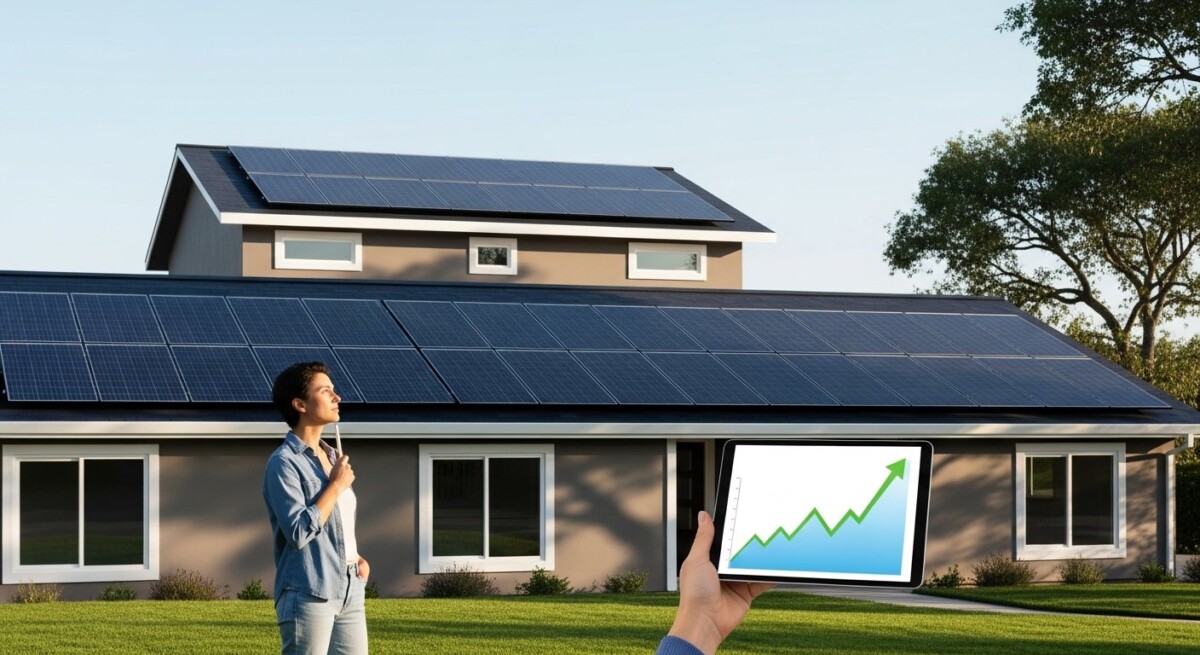
If you’ve watched your electricity bill climb month after month, you’re not alone. Many homeowners are searching for a way to take control of their energy costs and reduce their dependence on the unpredictable power grid. This search often leads to a crucial question: should you buy vs lease solar panels for your home? Understanding this choice is the first step toward unlocking significant savings and energy independence.
Understanding Buy vs Lease Solar Panels
At its core, the decision between buying and leasing solar panels is about ownership and financial structure. Buying a solar system means you purchase the equipment outright or finance it with a loan. You own the panels, the energy they produce, and all the financial benefits that come with them.
Leasing, on the other hand, is like renting the system from a solar company. You pay a fixed monthly fee to use the panels, but the company retains ownership. This fundamental difference shapes everything from your upfront costs to your long-term savings and responsibilities.
Why Solar Energy Is Becoming More Popular
Homeowners are turning to solar power for several powerful reasons. First, electricity prices continue to rise, making a fixed-cost solar payment an attractive alternative to unpredictable utility bills. Solar provides a hedge against future energy inflation.
There’s also a growing desire to reduce environmental impact. Generating clean electricity from the sun significantly lowers your household’s carbon footprint. Combined with strong long-term savings and increased home value, it’s a practical investment in both your finances and the planet.
If you are considering solar power for your home, comparing installation quotes can help you understand your options. Request a free solar quote or call to learn more.
Common Questions Homeowners Have About Solar
It’s normal to have questions before making such a significant home upgrade. Many people wonder about the initial investment, how solar works with their specific roof, and what happens on cloudy days. A reliable installer will address all these concerns clearly.
Here are some of the most frequent questions we hear from homeowners:
- What is the total cost to install a solar system?
- Is my roof suitable for solar panels?
- How much will I really save on my electricity bill?
- What happens during a power outage?
- Do solar panels work in winter or on cloudy days?
- How long does the installation process take?
How Solar Panel Installation Works
The solar installation process is designed to be straightforward and managed by professionals. It begins with a detailed assessment of your home’s energy needs and solar potential. A good installer will handle all the complex paperwork and logistics for you.
The main steps typically include:
- A home energy assessment and consultation.
- Custom system design and engineering.
- Securing permits and local approvals.
- Physical installation of panels and equipment.
- Final inspection and system activation.
Speaking with experienced installers can help you determine the best solar solution for your home. Compare solar quotes here or call to explore available options.
Signs Your Home May Be Ideal for Solar
While many homes are good candidates, certain conditions make solar an especially smart investment. The most important factor is access to sunlight. A roof that gets direct sun for most of the day is a prime location for panels.
Consider solar if you notice these indicators:
- You have high, and rising, monthly electricity bills.
- Your roof is unshaded for a significant portion of the day.
- You have a suitable roof surface (material, angle, and condition).
- You plan to own your home for the next several years.
- Your local utility has favorable net metering policies.
- You are motivated by long-term savings and environmental benefits.
What Affects Solar Installation Costs
The final price of your solar system depends on several key factors. The size of the system, measured in kilowatts, is the primary driver,it’s based on how much electricity your household uses. The quality and brand of the panels and inverters also play a role.
Other cost factors include the complexity of your roof, local labor rates, and the chosen mounting equipment. Crucially, available government incentives, like the federal solar tax credit, and local rebates can substantially reduce your net cost. For a deeper look at balancing cost and performance, our guide on affordable solar panels with high efficiency breaks down the key considerations.
The cost of solar installation varies depending on your home and energy needs. Request personalized solar quotes or call to see what options are available.
Tips for Choosing a Reliable Solar Installer
Selecting the right installer is as important as choosing between buying and leasing. A trustworthy company ensures a smooth process, proper installation, and lasting system performance. They will be your partner for the life of the system.
Follow these tips to find a qualified professional:
- Check for proper licensing, insurance, and certifications (like NABCEP).
- Review their experience and ask for local references.
- Understand the warranties offered on both equipment and workmanship.
- Read customer reviews and ratings on independent sites.
- Get detailed, written proposals from multiple companies.
- Ensure they handle all permitting and interconnection paperwork.
Long-Term Benefits of Installing Solar Panels
The advantages of going solar extend far beyond the first month’s lower bill. When you own your system, you lock in energy costs for 25 years or more, protecting yourself from utility rate hikes. This leads to substantial financial savings over the system’s lifetime.
You also increase your property’s value and market appeal. Studies consistently show homes with owned solar systems sell faster and for more money. Furthermore, you gain greater energy independence and make a lasting positive impact on the environment by reducing reliance on fossil fuels.
FAQs About Solar Panels
What are the main advantages of buying solar panels vs leasing?
Buying solar panels offers greater long-term savings, eligibility for tax credits and rebates, increased home value, and full ownership of the system. Leasing requires little to no money down but provides lower overall savings and no system ownership. The right choice depends on your financial goals and how long you plan to stay in your home.
Can I get solar panels with no money down?
Yes, both solar leases and solar loans often offer no-money-down options. Leases have a monthly payment to the solar company, while loans allow you to own the system with $0 down. It’s important to compare the total cost over 20 years, as ownership through a loan typically builds more equity.
How do government incentives work for solar?
The federal government offers a tax credit that allows you to deduct a significant percentage of your solar system’s cost from your federal taxes. Many states and local utilities offer additional rebates or performance payments. These incentives are only available to system owners, not to those who lease. Finding affordable solar panels without compromising quality is easier when you factor in these incentives.
What happens if I sell my house with solar panels?
If you own the system, it becomes a valuable asset that can increase your home’s sale price and attract buyers. If you have a solar lease or Power Purchase Agreement (PPA), the new homeowner must typically qualify and agree to take over the contract, which can sometimes complicate a sale.
Do solar panels require a lot of maintenance?
Solar panels require very little maintenance. They have no moving parts and are designed to withstand the elements. Occasional cleaning with water to remove dust or debris and an annual visual inspection are usually sufficient. Most systems include monitoring so you can track performance easily.
How long do solar panels last?
Most high-quality solar panels come with a performance warranty guaranteeing 80-90% production for 25 years or more. The panels themselves can continue to produce electricity well beyond that timeframe. Inverters, which convert the power, may need replacement once during the system’s life.
Choosing between buying and leasing solar panels is a significant financial decision with lasting implications for your energy costs and home value. By understanding your options, evaluating your home’s potential, and speaking with qualified professionals, you can make a confident choice. The best next step is to gather personalized information,comparing detailed quotes from trusted local installers will give you the clarity you need to move forward with confidence.