Every month, you open your electricity bill and wonder why the numbers keep climbing. Rising energy costs are pushing more homeowners to ask: can solar reduce electricity bills significantly? If you have been researching solar panel installation, you have likely heard about the potential to slash your monthly expenses and gain energy independence. The short answer is yes, but the real savings depend on your home, your energy use, and the quality of your system. This article explains how solar works, what affects savings, and why comparing quotes from professional installers is the smartest first step.
Understanding Can Solar Reduce Electricity Bills Significantly
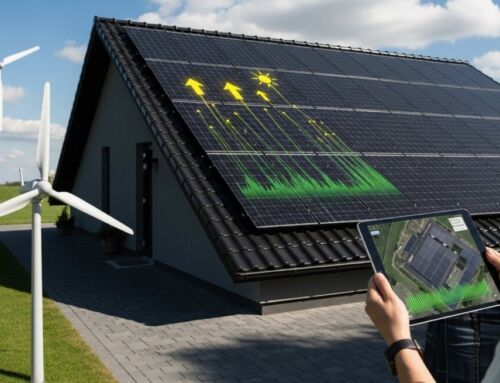
Solar panels convert sunlight into direct current (DC) electricity. An inverter then changes that DC power into alternating current (AC), which your home uses. When your panels produce more electricity than you need, the excess flows back to the grid, and your utility company gives you credit through a process called net metering. This credit offsets the power you draw from the grid at night or on cloudy days.
For most homeowners, a properly sized solar system can cut monthly electricity bills by 50 to 90 percent. In some cases, with high efficiency and strong net metering policies, homeowners reach near-zero electric bills. The exact reduction depends on your local electricity rates, how much sun your roof gets, and the size of the system you install. As utility rates continue to rise, locking in a predictable solar payment becomes even more valuable.
Why are more homeowners making the switch? Solar technology has become more efficient and affordable over the past decade. Combined with federal tax credits and state incentives, the upfront cost is lower than ever. Many families see solar as a hedge against inflation and a way to take control of their energy future.
How Net Metering Boosts Your Savings
Net metering is the policy that credits you for the excess energy your solar panels send to the grid. Without it, you would only save on the power you use while the sun is shining. With net metering, your meter spins backward when you generate more than you consume, effectively storing that energy for later use. Not all states offer full retail net metering, so it is important to check local rules when evaluating your potential savings.
Why Solar Energy Is Becoming More Popular
Electricity prices have risen roughly 3,5 percent per year on average over the last decade. That trend shows no signs of slowing. Homeowners are tired of unpredictable bills and are looking for solutions that offer stability. Solar provides a way to lock in a large portion of your electricity costs for 25 years or more.
Environmental concerns also play a major role. Many people want to reduce their carbon footprint and support clean energy. Solar panels produce electricity without emitting greenhouse gases, so switching to solar is one of the most effective actions a household can take against climate change.
Long-term savings are the most compelling reason for most families. Even after accounting for maintenance and occasional repairs, solar systems typically pay for themselves within 6 to 10 years. After that, the electricity they produce is essentially free. Over the 25- to 30-year lifespan of a typical system, total savings can range from $20,000 to $50,000 or more, depending on your location and energy usage.
If you are considering solar power for your home, comparing installation quotes can help you understand your options. Request a free solar quote or call (555) 123-4567 to learn more.
Common Questions Homeowners Have About Solar
Many homeowners hesitate because they worry about high upfront costs. While solar panel systems can cost $15,000 to $25,000 before incentives, federal tax credits cover 30 percent of the total cost, and many states offer additional rebates. Financing options, including solar loans and leases, make it possible to start saving with little or no money down.
Roof suitability is another frequent concern. Solar panels work best on roofs that face south or west and receive direct sunlight for most of the day. However, east- and west-facing roofs can still produce significant energy. An experienced installer will evaluate your roof’s angle, shading, and structural condition during a free site assessment.
System performance is also top of mind. Modern solar panels are durable and require very little maintenance. Most manufacturers offer 25-year performance warranties, and panels often last 30 years or more. Inverters may need replacement after 10,15 years, but that cost is modest compared to the overall savings.
- How much will solar panels save me each month?
- Will solar work on my roof if it is shaded or old?
- What happens to my savings if I move?
- How long does it take to recoup the investment?
- Do solar panels really work on cloudy days?
- What maintenance is required after installation?
How Solar Panel Installation Works
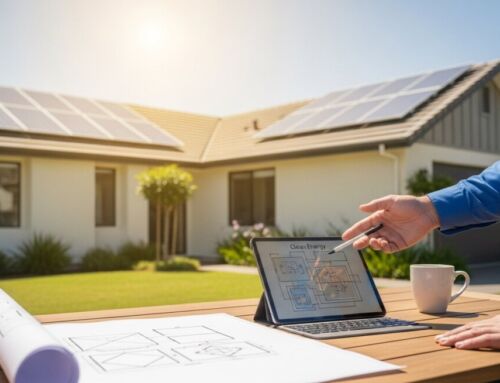
Professional solar installation follows a clear, step-by-step process. It begins with a home energy assessment, where an installer reviews your past electricity bills and inspects your roof. This data helps determine the right system size and layout for your specific needs.
After the assessment, the installer designs a custom solar system and handles all necessary permits and approvals from your local utility and building department. This step ensures your system meets safety codes and qualifies for net metering and incentives.
- Home energy assessment and roof inspection
- Custom system design and equipment selection
- Permit applications and utility approvals
- Panel mounting and electrical wiring (1,3 days)
- System inspection, activation, and connection to the grid
Speaking with experienced installers can help you determine the best solar solution for your home. Compare solar quotes here or call (555) 123-4567 to explore available options.
Signs Your Home May Be Ideal for Solar
Not every home is equally suited for solar, but many are. The best candidates have a roof that receives strong, direct sunlight for at least four to five hours per day. Homes with high electricity bills,especially those in the top tiers of their utility’s rate structure,stand to save the most.
Roof space is another important factor. A typical residential solar system requires about 400 to 700 square feet of unshaded roof area. If you plan to stay in your home for at least five to seven years, the payback period will align well with your ownership timeline.
- Your roof gets strong sunlight from late morning through mid-afternoon
- Your monthly electricity bill exceeds $100
- You have at least 400 square feet of south- or west-facing roof
- Your roof is less than 15 years old or in good condition
- You plan to stay in your home for at least 5 years
- Your state offers favorable net metering or solar incentives
What Affects Solar Installation Costs
The size of your solar system is the biggest cost driver. A larger system produces more electricity, but it also costs more upfront. Your installer will help you balance your energy goals with your budget by recommending a system that covers a meaningful portion of your usage without oversizing.
Equipment quality also matters. Premium panels from brands like SunPower or LG often cost more but offer higher efficiency and longer warranties. Budget panels can still perform well, but they may degrade faster or produce slightly less power over time. Your installer can explain the trade-offs.
Installation complexity affects labor costs. A simple, south-facing roof with easy attic access costs less to install than a complex, multi-plane roof with tile or slate. Local incentives and financing terms can further reduce your net cost, so always ask about available rebates and tax credits when you request quotes.
The cost of solar installation varies depending on your home and energy needs. Request personalized solar quotes or call (555) 123-4567 to see what options are available.
Tips for Choosing a Reliable Solar Installer
Choosing the right installer is just as important as choosing the right equipment. A reputable company will conduct a thorough site assessment, explain the numbers clearly, and stand behind their work. Start by asking for recommendations from neighbors who have solar, then check online reviews on platforms like the Better Business Bureau and Google.
Always compare multiple quotes before making a decision. Prices and system designs can vary significantly between installers. A detailed quote should include equipment specs, estimated annual production, total cost, financing options, and warranty terms. Avoid high-pressure sales tactics or promises that sound too good to be true.
- Verify the installer’s license, insurance, and certifications (e.g., NABCEP)
- Ask about warranties on panels, inverters, and workmanship
- Read recent customer reviews and ask for local references
- Compare at least three quotes with similar equipment and output
- Confirm the installer handles permits and utility paperwork
Long-Term Benefits of Installing Solar Panels
Lower electricity bills are the most immediate benefit, but solar offers much more. Studies show that homes with solar panels sell for a premium,typically 4 to 6 percent more than comparable homes without solar. This means your investment can pay off even if you move before the system is fully paid off.
Energy independence is another powerful advantage. When you generate your own power, you are less vulnerable to utility rate hikes and grid outages. With the addition of battery storage, you can keep the lights on during blackouts and store excess energy for evening use.
Reducing your carbon footprint is a lasting benefit for the planet. A typical residential solar system offsets about 3 to 4 tons of carbon dioxide per year, equivalent to planting 100 trees annually. Over the life of the system, that adds up to a meaningful environmental contribution.
FAQs
How much can I really save on my electricity bill with solar?
Most homeowners see a 50,90 percent reduction in their monthly electric bills. The exact savings depend on your system size, local electricity rates, and net metering policies. A professional installer can provide a personalized savings estimate based on your home and energy usage.
Will solar panels work if my roof is shaded?
Partial shading reduces output, but modern microinverters and power optimizers can minimize the impact. An installer will assess your roof’s shading and recommend the best equipment. If your roof is heavily shaded by trees or tall buildings, solar may not be cost-effective unless you trim or remove obstructions.
Do I need a battery with my solar system?
Batteries are optional but increasingly popular. If you have net metering, you can rely on the grid for backup without a battery. A battery provides energy independence, backup power during outages, and the ability to store solar power for use at night. It adds cost but increases resilience.
How long does it take to install solar panels?
The physical installation typically takes one to three days. However, the entire process from signing a contract to turning on the system usually takes four to eight weeks. This timeline includes permitting, utility approvals, and scheduling the installation crew.
What happens to my solar savings if I move?
Solar panels can increase your home’s resale value, and many buyers view a paid-off solar system as a major selling point. If you still owe money on the system, you can often transfer the loan or lease to the new homeowner. Some installers offer buyout options as well.
Are solar panels worth it in cloudy or cold climates?
Solar panels still produce electricity on cloudy days, though at reduced efficiency. Cold temperatures actually improve panel performance. States like New York, Massachusetts, and Oregon have strong solar adoption despite less sun than the Southwest. What matters most is your local electricity rates and available incentives.
How long do solar panels last?
Most solar panels come with a 25-year performance warranty, and they often continue producing at 80,85 percent of their original capacity after 30 years. Inverters typically last 10,15 years and may need replacement once during the system’s life. With minimal maintenance, your system can provide clean energy for decades.
Do I need to clean my solar panels regularly?
In most areas, rain naturally cleans dust and dirt from solar panels. You may need to clean them once or twice a year in dusty or dry climates. Avoid using abrasive materials or harsh chemicals. If your panels are tilted at 15 degrees or more, rain will do most of the work.
Solar energy offers a practical path to lower electricity bills, greater energy independence, and a cleaner environment. The key to maximizing your savings is working with a trusted installer who designs a system tailored to your home. Start by gathering multiple quotes, ask the right questions, and compare your options. The right system can make a significant difference in your monthly budget for decades to come.