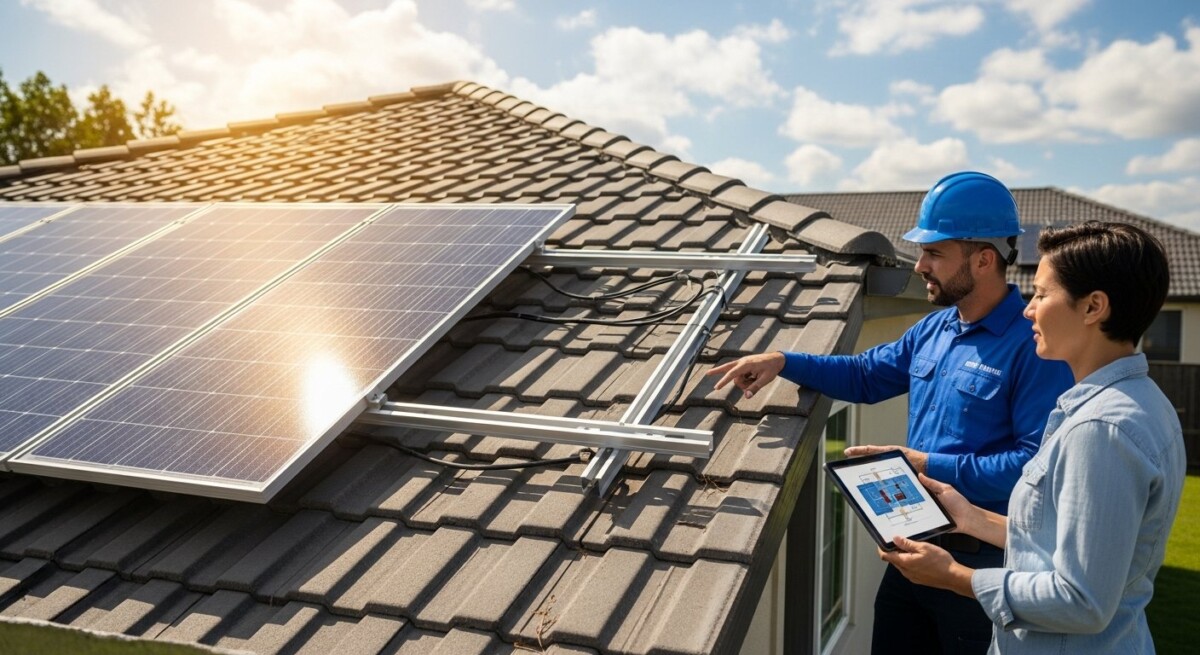
You open your monthly electricity bill and notice the amount is higher than last year,again. Like many homeowners, you start wondering if solar panels could help you save money. While doing your research, you find yourself asking: can solar system be expanded later after the initial installation? This is a smart question to ask before making any decisions.
Understanding whether you can add more solar panels down the road is essential for planning your energy savings. It also helps you think about reducing your electricity bills and becoming less dependent on the power grid over time. The good news is that for most modern systems, expansion is possible when you plan ahead.
In this article, we explain how solar system expansion works, why it matters for your budget, and how comparing quotes from professional installers can help you build a system that grows with your needs.
Understanding can solar system be expanded later
The short answer is yes,most solar panel systems can be expanded later, but the ease of expansion depends on how the system is designed from the start. When an installer sizes your system, they choose an inverter, wiring, and mounting equipment that may or may not support additional panels in the future.
To keep the door open for expansion, you need a system with an inverter that has extra capacity or a microinverter setup that allows you to add panels one at a time. Your installer can also leave extra space on your roof or in your electrical panel for future additions. This forward-thinking approach gives you flexibility as your energy needs change.
More homeowners are asking about expandability because they want to start small and grow their system over time. Maybe your budget only allows for a few panels now, but you plan to add more when you get a tax refund or after your electric vehicle arrives. Planning for expansion from day one can save you money and hassle later.
What affects expandability
The key components that determine expandability are your inverter type, roof space, and local utility rules. String inverters typically limit how many panels you can add because each string has a maximum voltage and current. Microinverters, on the other hand, let you add panels individually without redesigning the whole system. Your local utility may also have capacity limits for residential solar systems, so it pays to check before you commit.
Why solar energy is becoming more popular
Rising electricity prices are the number one reason homeowners switch to solar. Every year, utility rates increase by an average of 3,5 percent, which means your bill will keep climbing if you stay on grid power alone. Solar panels lock in your electricity costs and protect you from future rate hikes.
Environmental concerns also play a big role. Generating your own clean energy reduces your carbon footprint and helps fight climate change. Many homeowners feel good knowing they are contributing to a healthier planet for their children and grandchildren.
Long-term savings are hard to ignore. Over 20 to 30 years, a well-designed solar system can save you tens of thousands of dollars on electricity. Add in federal tax credits, state rebates, and net metering programs, and the financial case becomes even stronger.
If you are considering solar power for your home, comparing installation quotes can help you understand your options. Request a free solar quote or call (800) 555-0199 to learn more.
Common questions homeowners have about solar
Before investing in solar, almost every homeowner has concerns about cost, roof suitability, and system performance. These are valid questions that deserve clear answers from professionals who understand your local climate and utility policies.
Installation cost is often the biggest worry. The upfront price of a solar system ranges from $10,000 to $30,000 before incentives, but federal and state programs can reduce that by 30 percent or more. Many installers also offer financing options with low monthly payments that are less than your average electricity bill.
Roof suitability depends on age, angle, shading, and material. A south-facing roof with little shade is ideal, but east and west exposures can also work well. Your installer will perform a site assessment to confirm whether your roof can support panels now and in the future if you plan to expand.
- How much will solar panels cost for my home?
- Will solar work if my roof is shaded or old?
- How long do solar panels last before needing replacement?
- Can I add batteries to my system later?
- What happens to my solar system during a power outage?
- Do I need to replace my roof before installing solar?
How solar panel installation works
The installation process is straightforward when you work with a reputable company. It starts with a home energy assessment where the installer reviews your electricity bills, inspects your roof, and discusses your energy goals,including any plans to expand later.
After the assessment, the installer designs a custom system that matches your current usage and leaves room for future growth. They then handle all permits and approvals with your local building department and utility company, so you don’t have to worry about paperwork.
Once permits are approved, the installation crew mounts the panels, connects the wiring, and installs the inverter. The final step is system activation, where the utility gives permission to operate and you start generating your own electricity.
- Schedule a free home energy assessment
- Review system design and expansion options
- Obtain permits and utility approvals
- Professional panel and inverter installation
- Final inspection and system activation
Speaking with experienced installers can help you determine the best solar solution for your home. Compare solar quotes here or call (800) 555-0199 to explore available options.
Signs your home may be ideal for solar
Not every home is perfectly suited for solar panels, but many are. The best candidates have strong sunlight exposure, high electricity bills, and enough roof space to accommodate both current and future panels if expansion is planned.
Homes with south-facing roofs that receive direct sunlight for most of the day are prime candidates. If you live in a sunny state like Arizona, California, or Florida, your solar potential is even higher. Even in cloudier regions, modern panels still generate significant power.
If you plan to stay in your home for five years or more, solar becomes an excellent investment. The system pays for itself through energy savings, and your home value typically increases by about 4 percent after installation.
- Your roof faces south, east, or west with minimal shade
- Your monthly electricity bill is $100 or more
- You have at least 300 square feet of unshaded roof space
- You plan to live in your home for at least five years
- Your roof is less than 10 years old or in good condition
- You want to reduce your carbon footprint
What affects solar installation costs
Solar installation costs vary widely based on system size, equipment quality, and the complexity of your roof. Larger systems cost more upfront but generate more electricity and savings over time. High-efficiency panels and premium inverters also add to the price but can boost long-term performance.
Installation complexity matters too. A simple roof with easy panel access costs less than a steep, multi-level roof with skylights and vents. Ground-mounted systems may cost more because they require trenching and concrete foundations, but they are easier to expand later.
Local incentives can dramatically reduce your net cost. Federal tax credits, state rebates, and utility performance payments vary by location, so it pays to research what is available in your area. An experienced installer will help you navigate these programs and maximize your savings.
The cost of solar installation varies depending on your home and energy needs. Request personalized solar quotes or call (800) 555-0199 to see what options are available.
Tips for choosing a reliable solar installer
Choosing the right installer is just as important as choosing the right equipment. A trustworthy installer will design a system that fits your needs, explain expansion options clearly, and stand behind their work with solid warranties.
Start by asking for recommendations from friends and neighbors who have installed solar. Then, compare quotes from at least three licensed, insured installers. Pay attention to the equipment brands they recommend and whether they discuss future expansion without being prompted.
Reading online reviews and checking the Better Business Bureau rating can also help you avoid companies with poor service records. A good installer will be happy to answer your questions and provide references from previous customers.
- Verify the installer’s license, insurance, and certifications
- Ask about equipment warranties (panels, inverter, and labor)
- Read customer reviews on Google, Yelp, and the BBB
- Request quotes from at least three different companies
- Confirm they can design an expandable system if needed
Long-term benefits of installing solar panels
Lower electricity bills are the most immediate benefit of going solar. Once your system is paid off, your monthly energy cost drops to near zero,just a small grid connection fee. Over 25 years, that adds up to thousands of dollars in savings that you can use for other priorities.
Your home value also increases. Studies show that homes with solar panels sell for 4 to 6 percent more than comparable homes without solar. Buyers are willing to pay a premium for lower utility costs and energy independence.
Energy independence gives you peace of mind. When you generate your own power, you are less affected by grid outages and utility price hikes. Adding a battery system later can give you backup power during blackouts, making your home even more resilient.
Frequently asked questions
Can I add more solar panels to my existing system?
Yes, you can add more solar panels to your existing system if your inverter has extra capacity and your roof has space. Microinverter systems are easiest to expand because each panel operates independently. Always consult your installer before adding panels to ensure compatibility.
How much does it cost to expand a solar system later?
The cost of expanding a solar system depends on how many panels you add and whether your inverter needs upgrading. Adding two to four panels typically costs between $2,000 and $5,000. Planning for expansion during initial installation can reduce these costs significantly.
Do I need a new inverter if I expand my solar system?
Not always. If your current inverter has unused capacity, you can add panels without replacing it. However, if you exceed the inverter’s maximum input, you will need a larger inverter or additional microinverters. Your installer can help you determine what works best.
Will expanding my solar system affect my net metering agreement?
Expanding your system may change your net metering agreement, depending on your utility’s rules. Some utilities allow you to increase system size up to a certain limit without reapplying. Others require a new interconnection agreement. Check with your utility before expanding.
How long does it take to expand a solar system?
Expanding a solar system usually takes one to three days, depending on the complexity. Permitting and utility approval may add two to four weeks. Working with the same installer who did your original installation can speed up the process because they already know your system.
Can I expand a solar system with a battery storage system?
Yes, you can add battery storage to an existing solar system, and you can expand both together. Batteries store excess energy for use at night or during outages. Many modern inverters support both solar panels and battery integration, making expansion simpler.
What happens if my roof doesn’t have space for more panels?
If your roof is full, you can install ground-mounted panels or use a solar carport. These options require more land and may cost more, but they give you plenty of room for expansion. Your installer can evaluate your property and suggest the best solution.
Is it better to oversize my solar system now or expand later?
Oversizing your system now is often cheaper than expanding later because you avoid additional permitting and labor costs. However, if your budget is tight, starting smaller and planning for future expansion is a practical way to go solar without breaking the bank.
Choosing to go solar is a smart financial and environmental decision. By asking the right questions,including can solar system be expanded later,you set yourself up for long-term savings and energy independence. The best way to move forward is to compare quotes from several professional installers who can design a system that fits your home, your budget, and your future plans.