You open your monthly electricity bill and feel a familiar pinch. Rates keep climbing, and you wonder if there is a way to take control. This is exactly why so many homeowners start searching for answers about solar energy,and specifically, how many solar quotes should you compare to make a smart investment. Comparing multiple quotes is the single most effective step to reduce your electricity bills, achieve long-term savings, and gain energy independence.
Understanding How Many Solar Quotes Should You Compare
When we talk about how many solar quotes should you compare, we mean gathering price estimates and system proposals from several different solar installation companies. A solar quote outlines the equipment, labor, warranty, and total cost for installing panels on your home. The number of quotes you compare directly affects your ability to find the best deal.
Solar panels work by converting sunlight into electricity using photovoltaic cells. An inverter changes that direct current into usable alternating current for your home. Any excess power can flow back to the grid, earning you credits through net metering. More homeowners are considering solar because it turns a fixed monthly expense into a long-term investment. By comparing three to five quotes, you gain a clear picture of fair pricing and avoid overpaying by thousands of dollars.
Why Three to Five Quotes Is the Sweet Spot
Getting only one quote leaves you with no baseline for comparison. Two quotes give you a slight advantage, but three to five quotes reveal the true market range. This range helps you spot unusually high prices or suspiciously low offers that may signal poor equipment or shoddy workmanship. With multiple quotes in hand, you can confidently choose a system that fits your budget and energy goals.
Why Solar Energy Is Becoming More Popular
Electricity rates have risen steadily over the past decade, and there is no sign of them slowing down. Homeowners are tired of unpredictable bills and want a solution that offers stability. Solar energy provides that stability by locking in a large portion of your electricity costs for 25 years or more.
Environmental concerns also play a major role. Burning fossil fuels for electricity releases carbon dioxide and other pollutants. Solar panels generate clean energy without emissions, reducing your household’s carbon footprint. On top of that, the long-term savings are substantial. Most homeowners recover their initial investment within 6 to 10 years, then enjoy free electricity for the remaining life of the system. Switching to solar is both a financial decision and a commitment to a healthier planet.
If you are considering solar power for your home, comparing installation quotes can help you understand your options. Request a free solar quote or call (800) 555-0199 to learn more.
Common Questions Homeowners Have About Solar
Before making a decision, homeowners naturally have questions. The most common concerns revolve around cost, roof suitability, and system performance. Understanding these topics helps you evaluate quotes with confidence.
Installation cost is the first hurdle. A typical residential solar system ranges from $15,000 to $25,000 before incentives. Federal tax credits and state rebates can reduce that amount by 30% or more. Roof suitability depends on age, material, angle, and shading. A professional installer will assess these factors during a site visit. System performance varies by location, panel efficiency, and installation quality, which is why comparing quotes from experienced installers matters.
- How much will solar panels cost for my home?
- Is my roof suitable for solar panels?
- How much electricity will the system produce?
- What happens during cloudy days or at night?
- How long do solar panels last?
- What maintenance is required?
How Solar Panel Installation Works
The installation process is straightforward when you work with a professional installer. It begins with a home energy assessment to review your electricity usage and roof conditions. The installer then designs a system tailored to your needs.
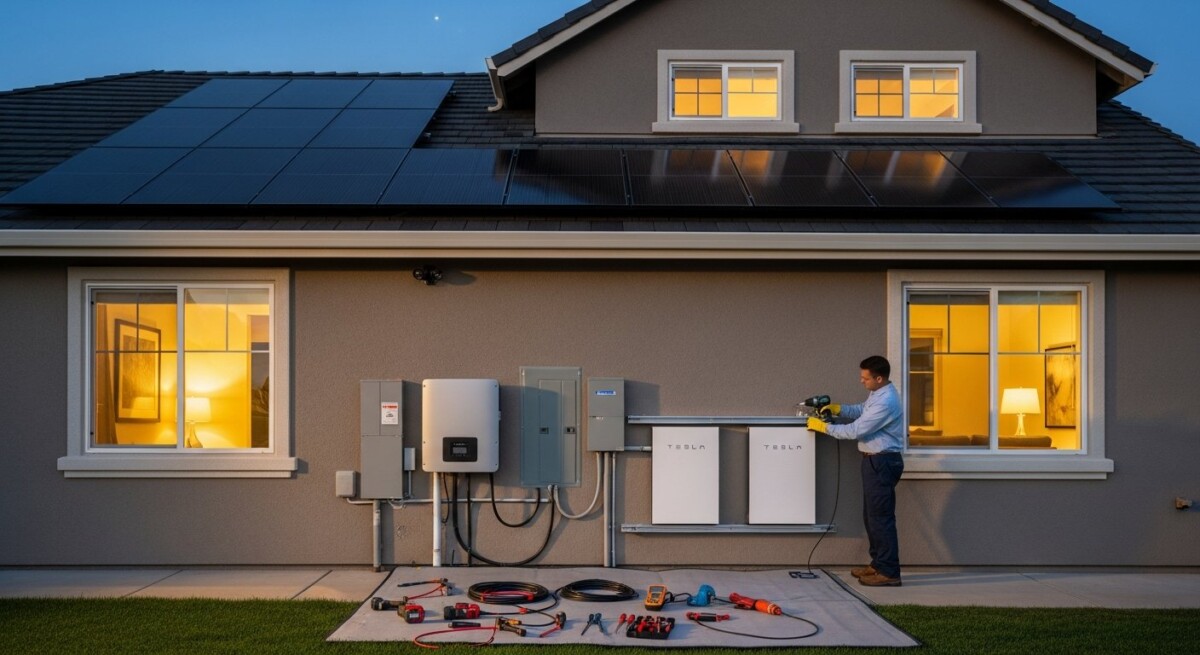
After you approve the design, the installer handles permits and approvals from your local utility and municipality. This step ensures the system meets all safety and grid connection requirements. Once permits are in place, the physical installation takes one to three days. Mounting racks are attached to your roof, panels are secured, and wiring is connected to the inverter and electrical panel. Finally, the system is inspected and activated, and you start generating your own power.
- Home energy assessment
- System design and equipment selection
- Permits and approvals
- Panel installation and wiring
- Inspection and system activation
Speaking with experienced installers can help you determine the best solar solution for your home. Compare solar quotes here or call (800) 555-0199 to explore available options.
Signs Your Home May Be Ideal for Solar
Not every home is equally suited for solar panels, but many are. The best candidates have strong sunlight exposure, meaning a south-facing roof with minimal shade from trees or nearby buildings. If your roof gets direct sun for most of the day, you will generate more electricity.
High electricity bills are another strong indicator. If you pay $100 or more per month for electricity, solar can provide significant savings. Suitable roof space is also important. A typical system requires about 300 to 500 square feet of clear, unobstructed roof area. Finally, if you plan to stay in your home for at least five to seven years, you will have enough time to recoup your investment through lower bills.
- Strong, unobstructed sunlight exposure for most of the day
- Monthly electricity bills above $100
- At least 300 square feet of suitable roof space
- Roof in good condition with 10+ years of life remaining
- Plans to stay in the home for at least five years
What Affects Solar Installation Costs
Solar installation costs vary based on several key factors. System size, measured in kilowatts, directly affects the price. A larger system that covers more of your electricity needs will cost more upfront but deliver greater long-term savings.
Equipment quality also matters. Premium panels and inverters from top brands cost more but often come with better warranties and higher efficiency. Installation complexity can drive up labor costs if your roof is steep, has multiple angles, or requires electrical panel upgrades. Local incentives, such as state tax credits, rebates, or performance-based incentives, can lower your net cost significantly. Comparing quotes helps you see how these factors balance out for your specific home.
The cost of solar installation varies depending on your home and energy needs. Request personalized solar quotes or call (800) 555-0199 to see what options are available.
Tips for Choosing a Reliable Solar Installer
Choosing the right installer is just as important as choosing the right equipment. A reliable installer ensures the system is designed correctly, installed safely, and backed by solid warranties. Start by reviewing each installer’s experience and certifications. Look for credentials such as NABCEP certification, which indicates advanced training.
Check the warranties offered on both the equipment and the workmanship. A good installer will stand behind their work for at least 10 years. Reading customer reviews on platforms like Google, Yelp, or the Better Business Bureau gives you insight into their reputation. Most importantly, compare multiple quotes to see how each installer stacks up in terms of price, equipment, and service.
- Review installer experience and NABCEP certification
- Check equipment and workmanship warranties
- Read customer reviews and ratings
- Compare at least three to five quotes
- Ask about financing options and incentives
Long-Term Benefits of Installing Solar Panels
The most immediate benefit of solar panels is lower electricity bills. Once your system is operational, your monthly utility costs drop dramatically,often by 50% to 90% depending on system size and sun exposure. Over 25 years, those savings can total tens of thousands of dollars.
Solar panels also increase your home’s resale value. Studies show that homes with solar systems sell for a premium compared to similar homes without them. You also reduce your environmental impact by generating clean energy. And by producing your own power, you gain energy independence and protection from future rate hikes. When you combine these benefits with federal and state incentives, the financial case becomes even stronger.
Frequently Asked Questions
How many solar quotes should I compare to get the best price?
You should compare at least three to five solar quotes to understand the market range. This number gives you enough data to spot outliers and negotiate effectively. Comparing fewer quotes may leave you with an overpriced system, while comparing more than five can become overwhelming without adding much value.
What is included in a solar quote?
A complete solar quote includes the cost of panels, inverters, mounting hardware, labor, permits, and warranty details. It should also specify the system size in kilowatts and estimated annual energy production. Avoid quotes that are vague or missing key components.
How long does it take to install solar panels?
Once you sign a contract, the installation process typically takes one to three months. This timeline includes design, permitting, and physical installation. The actual installation on your roof usually takes one to three days.
Do solar panels work during cloudy days?
Yes, solar panels still generate electricity on cloudy days, though at a reduced rate. Most systems produce 10% to 25% of their normal output under heavy cloud cover. Your system is designed to work year-round, and net metering credits help balance production across seasons.
What maintenance do solar panels require?
Solar panels require very little maintenance. You should keep them clean by rinsing them with water a few times a year, especially if you live in a dusty area. Most systems come with monitoring software that alerts you to any performance issues.
Will solar panels damage my roof?
When installed by a professional, solar panels do not damage your roof. Installers use flashing and sealants to prevent leaks. In fact, panels can protect the covered portion of your roof from sun and rain damage.
How much can I save on electricity bills with solar?
Most homeowners save between $600 and $2,000 per year on electricity bills, depending on system size, local rates, and sun exposure. Over the 25-year life of the system, total savings often range from $15,000 to $50,000 or more.
Are there government incentives for solar installation?
Yes, the federal solar investment tax credit allows you to deduct 30% of the installation cost from your federal taxes. Many states and utilities offer additional rebates, tax credits, or performance-based incentives. Your installer can help you identify which incentives apply to your home.
The best way to secure the right solar system at the right price is to compare multiple quotes from trusted professionals. By understanding how many solar quotes should you compare, you can confidently move forward with a system that lowers your bills, increases your home’s value, and supports a cleaner future. Start exploring your options today and take the first step toward energy independence.