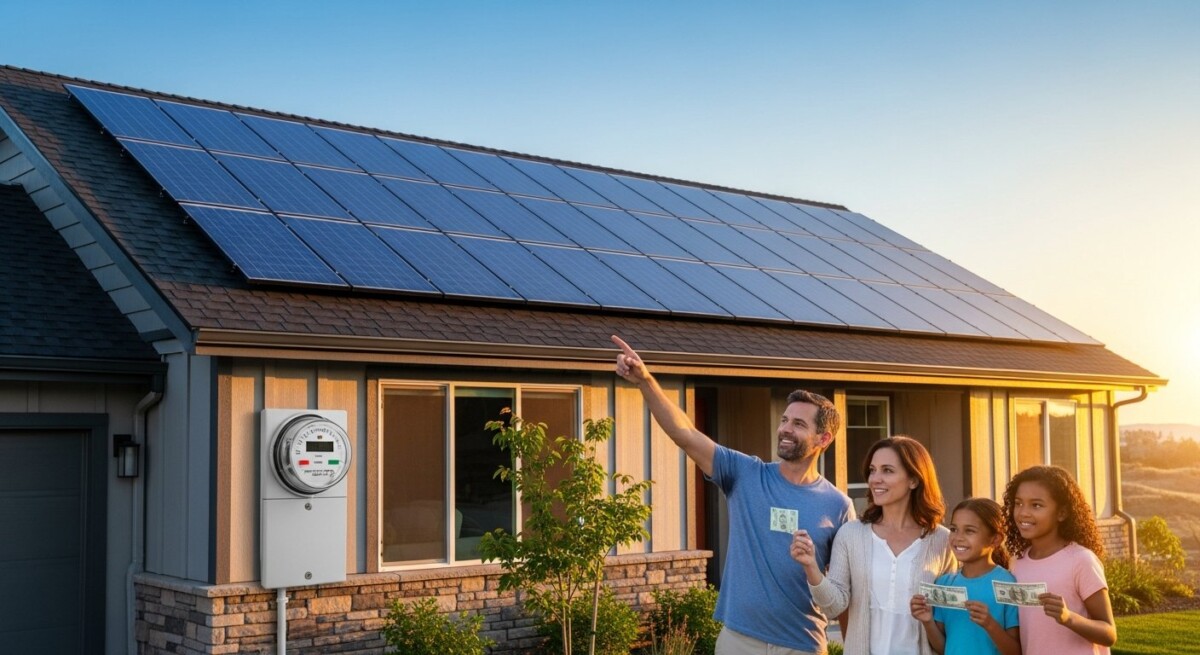
If you’ve opened your electricity bill recently and felt a jolt, you’re not alone. Many homeowners are watching their energy costs climb and are searching for a reliable way to regain control. This search often leads to one powerful question: how much can you save with solar panels? The answer involves more than just slashing your monthly bill; it’s about building long-term financial security and energy independence right from your rooftop.
Understanding How Much Can You Save With Solar Panels
At its core, saving with solar panels is about replacing the expensive electricity you buy from your utility with clean, free power generated by the sun. Your solar system captures sunlight and converts it into electricity your home can use immediately. Any excess power you don’t use can often be sent back to the grid, potentially earning you credits on your bill through a process called net metering.
The savings come from dramatically reducing or even eliminating the portion of your bill tied to energy consumption. Instead of paying a variable, often rising rate for every kilowatt-hour, you make a fixed investment in your own power plant. Over 25 to 30 years, the lifetime of a typical system, those avoided electricity costs add up to significant financial gains, often tens of thousands of dollars.
How Net Metering Boosts Your Savings
Net metering is a key policy that makes solar so financially viable. When your panels produce more power than your home needs, the excess flows back to the utility grid. Your utility meter essentially runs backward, giving you a credit for that energy. Later, at night or on cloudy days, you draw power from the grid and use those credits first, further reducing your net cost.
Why Solar Energy Is Becoming More Popular
Homeowners are turning to solar power for several compelling reasons that go beyond simple economics. First, electricity prices have a historical trend of increasing, making a fixed-cost solar system a smart hedge against future utility rate hikes. Second, there’s a growing desire to reduce one’s carbon footprint and contribute to a cleaner environment by using renewable energy.
Finally, the long-term savings potential is now clearer than ever. With improved technology, generous government incentives like the federal tax credit, and flexible financing, the upfront cost is more accessible. People see solar not just as an expense, but as a wise investment that pays dividends for decades in lower bills and increased home value.
If you are considering solar power for your home, comparing installation quotes can help you understand your options. Request a free solar quote or call to learn more.
Common Questions Homeowners Have About Solar
It’s normal to have questions before making a significant home upgrade. Many people wonder about the upfront cost and how long it will take to see a return on their investment. Others are concerned about whether their roof is suitable or what happens on days when the sun isn’t shining.
A professional installer can address all these concerns with a detailed home assessment. They will analyze your roof’s angle, shading, and structure, review your past energy bills, and design a system that meets your specific needs and goals. For instance, if you’re curious about the logistics of ownership, our article on selling your solar panels covers what happens if you move.
- How much does a solar panel system cost upfront?
- Is my roof strong enough and facing the right direction?
- What happens during a power outage or at night?
- How long will the panels last, and what about maintenance?
- Will solar panels increase my property taxes?
- What financing options are available?
How Solar Panel Installation Works
The process of going solar is surprisingly straightforward when handled by experienced professionals. It starts with a consultation and detailed home energy assessment to understand your consumption patterns. The installer then designs a custom system to match your roof and your electricity needs.
Once you approve the design, the installer handles all the necessary permits and paperwork with your local authorities and utility company. The physical installation of the panels, inverter, and monitoring equipment is typically completed in just a few days. Finally, after a final inspection and approval from your utility, your system is activated, and you start generating power.
- Home Energy Assessment & Consultation
- Custom System Design & Proposal
- Permitting & Utility Approvals
- Physical Installation of Equipment
- Final Inspection & System Activation
Speaking with experienced installers can help you determine the best solar solution for your home. Compare solar quotes here or call to explore available options.
Signs Your Home May Be Ideal for Solar
While many homes are good candidates for solar, some characteristics make the investment particularly advantageous. The most obvious factor is access to strong, unobstructed sunlight for most of the day. A south-facing roof with minimal shading from trees or other buildings is ideal, though east and west-facing roofs can also work very well.
Your current energy spending is another major indicator. If you have high monthly electricity bills, you have more potential savings to capture, which can lead to a faster payback period. Homeowners who plan to stay in their homes for the long term are also perfect candidates, as they will reap the full benefit of decades of low-cost energy.
- Your roof receives direct sunlight for 5+ hours per day.
- You have high or rising monthly electricity bills.
- Your roof is in good condition and has ample space.
- You plan to own your home for 7-10+ years.
- You live in an area with strong net metering policies.
- You are motivated by energy independence and environmental impact.
What Affects Solar Installation Costs
The total cost of your solar system is influenced by several key factors. The size of the system, measured in kilowatts (kW), is the primary driver,a larger system to power a bigger home costs more. The quality and efficiency of the equipment you choose, such as premium panels or microinverters, also affect the price.
Installation complexity matters too. A simple, single-plane roof is easier to work on than a multi-angled roof with skylights. Most importantly, available incentives dramatically reduce your net cost. The federal Investment Tax Credit (ITC) allows you to deduct a significant percentage of the system cost from your federal taxes, and many states and utilities offer additional rebates. It’s important to understand all available programs, as some, like specific programs in Georgia, have unique rules which we detail in our guide on free solar panels in Georgia.
The cost of solar installation varies depending on your home and energy needs. Request personalized solar quotes or call to see what options are available.
Tips for Choosing a Reliable Solar Installer
Selecting the right installer is crucial for a smooth process and optimal system performance. Look for a company with a strong track record, proper licensing, and certifications from organizations like the North American Board of Certified Energy Practitioners (NABCEP). They should offer robust warranties on both the equipment and their workmanship.
Always read customer reviews and ask for references from past clients in your area. A trustworthy installer will provide a clear, detailed proposal without using high-pressure sales tactics. Most importantly, get quotes from at least three different companies to compare pricing, equipment brands, and system designs.
- Verify licenses, insurance, and NABCEP certification.
- Review the company’s experience and local reputation.
- Understand the full scope of product and performance warranties.
- Get a detailed, written proposal outlining all costs and expectations.
- Compare multiple quotes to ensure a fair price and the best design.
Long-Term Benefits of Installing Solar Panels
The most immediate benefit is lower electricity bills, often from the first month of operation. Over the system’s lifetime, these savings can total $20,000 to $70,000 or more, depending on your location and energy use. Solar panels also increase your home’s market value; studies show buyers are willing to pay a premium for a home with owned solar.
Beyond finances, solar provides energy independence, reducing your exposure to unpredictable utility rate increases. You’ll also make a substantial positive environmental impact by reducing your household’s carbon emissions. Together, these benefits create a powerful case for solar as a smart, forward-thinking home improvement.
How long does it take to see a return on my solar investment?
The payback period,the time it takes for your savings to equal the system cost,typically ranges from 6 to 10 years. This depends on your local electricity rates, system cost after incentives, and sunlight. After the payback period, the electricity your system produces is essentially free for the rest of its 25+ year lifespan, putting money back in your pocket.
Do solar panels work in cloudy or cold climates?
Yes, solar panels generate electricity even on cloudy days, though at a reduced output. They actually operate more efficiently in cooler temperatures. Many colder, cloudier regions have strong solar adoption because high electricity costs make the savings even more valuable, proving solar is a viable investment across most of the country.
What maintenance do solar panels require?
Solar systems require very little maintenance. Occasional rinsing with a garden hose to remove dust, pollen, or bird droppings is usually sufficient. You should also ensure trees don’t grow to shade the panels. Most systems include monitoring software so you can track performance, and installers typically offer long-term warranties to cover any equipment issues.
Can I finance my solar panel system?
Absolutely. Many homeowners choose financing options like solar loans, which allow you to own the system with little or no money down. With a loan, you immediately lower your bill, and the monthly loan payment is often less than your old electricity bill, creating instant positive cash flow while you build equity in the system.
What is the federal solar tax credit?
The federal Investment Tax Credit (ITC) is a significant incentive that allows you to deduct a percentage of your solar system’s cost from your federal income taxes. This credit directly reduces your tax liability, lowering the net cost of going solar. It’s crucial to consult a tax professional to understand how it applies to your specific situation.
Will solar panels damage my roof?
Professional installers do not damage your roof. In fact, the mounting system often provides an additional protective layer. A reputable installer will first assess your roof’s condition and recommend any repairs needed beforehand. The mounting equipment is specifically designed to be weathertight and secure, following strict building codes.
Understanding how much you can save with solar panels is the first step toward taking control of your energy costs and investing in your home’s future. The potential for long-term savings, increased property value, and energy independence is substantial. The best way to get accurate numbers for your specific home is to consult with qualified local installers and compare detailed, personalized quotes.