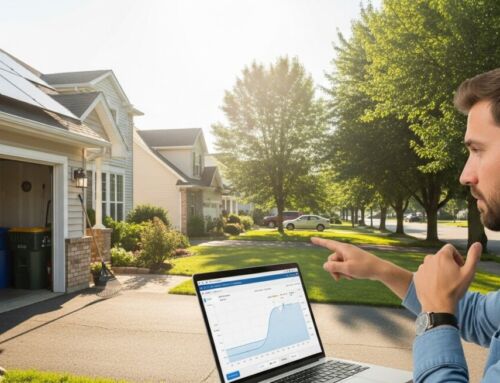
Your monthly electricity bill keeps climbing, and you have started wondering if solar panels could help you save money. Many homeowners reach this point and begin researching how to analyze solar system proposals. The idea of reducing your energy bills and becoming less dependent on the power grid is appealing. Learning how to compare solar installation quotes is the first step toward making a confident decision.
Understanding how to analyze solar system proposals
A solar system proposal is a detailed document from an installer that outlines the equipment, costs, and expected performance of a solar panel setup for your home. It is not just a price quote,it includes technical specifications, financial estimates, and warranty information. Learning how to analyze solar system proposals helps you spot the difference between a good deal and a costly mistake.
Most proposals break down the system size in kilowatts (kW), the type and number of panels, inverter specifications, and projected annual energy production. They also show the total cost, available incentives, and estimated monthly savings. More homeowners are requesting these proposals because solar technology has become more affordable and reliable over the past decade.
Key components of a solar proposal
Every proposal should include a clear estimate of how much electricity the system will generate each year. Look for the performance guarantee, which states how much power the panels are expected to produce over time. Without this information, you cannot calculate your actual return on investment.
Why Solar Energy Is Becoming More Popular
Rising electricity prices are pushing more homeowners to explore solar energy as a long-term solution. Utility rates have increased steadily across the United States, and solar panels offer a way to lock in lower energy costs for decades. Environmental concerns also play a role, as people want to reduce their carbon footprint and rely on clean, renewable power.
Long-term savings remain the biggest motivator. A well-designed solar system can pay for itself within 6 to 10 years and continue generating free electricity for 25 years or more. Federal tax credits, state rebates, and net metering programs further improve the financial picture, making solar more accessible than ever.
If you are considering solar power for your home, comparing installation quotes can help you understand your options. Request a free solar quote or call to learn more.
Common Questions Homeowners Have About Solar
Before committing to solar, most homeowners want to know how much it will cost and whether their roof is suitable. Installation costs vary based on system size, equipment quality, and local labor rates. A typical residential system ranges from $10,000 to $30,000 before incentives, but federal and state programs can reduce that amount by 30 percent or more.
Roof suitability depends on factors like age, material, orientation, and shading. South-facing roofs with minimal shade and good structural condition are ideal. Even if your roof is not perfect, many installers can design a system that still performs well.
- How long do solar panels last?
- Will solar work during cloudy days or at night?
- What happens if I sell my home after installing solar?
- Do I need to replace my roof before installation?
- How much maintenance do solar panels require?
- Can I finance solar panels with zero down payment?
How Solar Panel Installation Works
The installation process typically begins with a home energy assessment. An installer reviews your past electricity bills, inspects your roof, and measures available sunlight. Based on this data, they design a system that matches your energy usage and budget.
After you approve the design, the installer handles permits and approvals from your local utility and city government. This step can take a few weeks but is essential for safety and compliance. Once permits are secured, the physical installation usually takes one to three days, followed by a final inspection and system activation.
- Home energy assessment and bill analysis
- Custom system design and proposal presentation
- Permitting and utility approvals
- Panel mounting and electrical wiring
- Final inspection and grid connection
Speaking with experienced installers can help you determine the best solar solution for your home. Compare solar quotes here or call to explore available options.
Signs Your Home May Be Ideal for Solar
Certain home characteristics make solar panels more effective and cost-efficient. Strong sunlight exposure is the most important factor,homes in sunny regions naturally produce more electricity. High electricity bills also signal that solar could deliver significant savings.
Suitable roof space is another key indicator. A typical solar system requires about 300 to 500 square feet of unobstructed roof area. If you plan to stay in your home for at least five more years, the long-term savings from solar will likely exceed the upfront investment.
- You receive high electricity bills every month
- Your roof faces south, west, or east with minimal shading
- Your roof is less than 10 years old and in good condition
- You have enough unshaded roof space for panels
- You plan to stay in your home for several more years
- Your state offers strong solar incentives or net metering
What Affects Solar Installation Costs
System size is the primary cost driver because larger systems require more panels and labor. A 6 kW system costs less than a 10 kW system, but the larger system may be needed to cover 100 percent of your electricity usage. Equipment quality also matters,premium panels and microinverters cost more but often deliver better performance and longer warranties.
Installation complexity can raise costs if your roof is steep, has multiple angles, or requires electrical panel upgrades. Local incentives and rebates can offset these expenses significantly. The federal Investment Tax Credit (ITC) currently allows you to deduct 30 percent of the total system cost from your federal taxes.
The cost of solar installation varies depending on your home and energy needs. Request personalized solar quotes or call to see what options are available.
Tips for Choosing a Reliable Solar Installer
Not all solar installers offer the same level of quality and service. Start by reviewing each installer’s experience and certifications. Look for companies that employ North American Board of Certified Energy Practitioners (NABCEP) certified professionals, as this shows a commitment to industry standards.
Check the warranties offered,both the equipment warranty and the workmanship warranty. A good installer stands behind their work with at least a 10-year labor warranty. Reading customer reviews on platforms like Google, Yelp, and the Better Business Bureau can reveal patterns of reliability or concern.
- Verify installer licensing and insurance
- Ask for at least three detailed quotes before deciding
- Compare equipment brands and performance guarantees
- Understand the warranty terms for panels, inverters, and labor
- Check online reviews and ask for local references
Long-Term Benefits of Installing Solar Panels
Lower electricity bills are the most immediate benefit after installation. Once your system is paid off, the electricity it produces is essentially free, saving you thousands of dollars over its 25-year lifespan. Solar panels also increase your home’s resale value,studies show that homes with solar sell for about 4 percent more than comparable homes without solar.
Reducing your environmental impact is another powerful advantage. A typical residential solar system offsets 3 to 4 tons of carbon dioxide each year, equivalent to planting over 100 trees annually. Energy independence means you are less affected by utility rate hikes and grid outages, especially if you add battery storage.
How much can I save on my electricity bills with solar panels?
Savings depend on your local electricity rates, system size, and sunlight exposure. Most homeowners reduce their electricity bills by 50 to 90 percent. In areas with high utility rates and net metering, some homeowners eliminate their electricity bills entirely.
How long does it take for solar panels to pay for themselves?
The average payback period is 6 to 10 years. This timeline varies based on system cost, available incentives, and your energy usage. After the payback period, you enjoy free electricity for the remaining life of the system.
What happens to solar panels during a power outage?
Standard grid-tied solar systems shut down during outages for safety reasons. If you want backup power, you need a battery storage system like the Tesla Powerwall or Enphase Encharge. Batteries store excess solar energy for use when the grid goes down.
Do solar panels work in cloudy or cold climates?
Yes, solar panels still generate electricity on cloudy days, though at reduced efficiency. Cold temperatures actually improve panel performance because solar cells operate more efficiently in cooler conditions. States like Massachusetts and New York have thriving solar markets despite cloudy winters.
Can I install solar panels myself to save money?
DIY solar installation is possible but rarely recommended. Professional installers handle permits, safety inspections, and proper wiring to prevent electrical hazards. Mistakes can void warranties, reduce system performance, or create fire risks. Professional installation also ensures eligibility for incentives and net metering.
What is net metering and how does it work?
Net metering is a billing arrangement that credits you for excess electricity your solar system sends to the grid. When your panels produce more power than you use, the meter runs backward. You can use those credits later when your system is not generating, such as at night.
How do I choose between buying and leasing solar panels?
Buying solar panels gives you full ownership, maximum savings, and eligibility for tax credits. Leasing requires no upfront cost but offers lower long-term savings and you do not own the equipment. If you plan to stay in your home for many years, buying is usually the better financial choice.
Will solar panels damage my roof?
Properly installed solar panels do not damage your roof. Installers use specialized mounting hardware that seals penetration points to prevent leaks. In fact, panels can protect the covered portion of your roof from sun, rain, and hail, potentially extending its lifespan.
Comparing solar installation quotes is the smartest way to find the right system for your home and budget. Every home is different, and reviewing multiple proposals helps you understand what works best for your energy needs. Take the next step by requesting quotes from certified installers and start your journey toward lower electricity bills and energy independence.