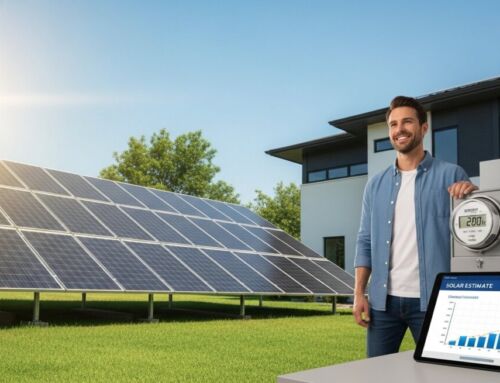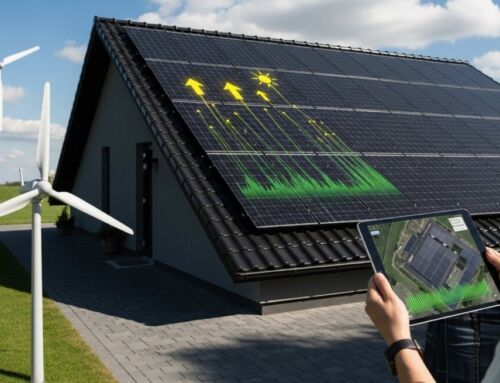
If you’ve opened your electricity bill recently and felt a jolt of surprise, you’re not alone. With energy costs steadily climbing, more homeowners are looking for a reliable way to reduce their monthly expenses and gain independence from the unpredictable grid. The solution many are finding is solar power, and the first step is learning how to calculate solar savings to see if this smart investment makes sense for your home and budget.
Understanding How to Calculate Solar Savings
Calculating your solar savings is the process of estimating the total financial benefit you’ll gain from installing a solar panel system. It’s not just about the price of the panels; it’s a comprehensive look at your current energy costs, future utility rates, and the long-term value solar will provide. The goal is to compare your projected solar expenses against your expected electricity bills without solar over 25 years or more.
At its core, the calculation weighs the upfront and financing costs of your system against the money you’ll stop sending to your utility company. You’ll also factor in valuable incentives like the federal tax credit, which can significantly reduce your net cost. The result is a clear picture of your potential return on investment, often showing significant savings over the system’s lifetime.
Why Solar Energy Is Becoming More Popular
Homeowners are turning to solar power for several powerful reasons. First and foremost is financial security. Locking in a predictable, low cost for your electricity protects you from inevitable utility rate hikes, transforming a variable monthly expense into a stable, long-term investment.
Beyond the wallet, there’s a growing desire for energy independence and environmental stewardship. Generating your own clean power means relying less on fossil fuels and reducing your household’s carbon footprint. This combination of economic and ecological benefits makes solar an increasingly attractive choice for modern homeowners.
If you are considering solar power for your home, comparing installation quotes can help you understand your options. Request a free solar quote or call to learn more.
Common Questions Homeowners Have About Solar
It’s normal to have questions before making a significant home upgrade. Many wonder about the initial investment and how long it will take to see a return. Others are concerned about their roof’s suitability or what happens on cloudy days.
A professional installer can address all these concerns with a detailed home assessment. They will evaluate your energy usage, roof condition, and local weather patterns to provide accurate projections. This personalized analysis is far more reliable than generic online calculators.
- How much does a solar panel system cost?
- Is my roof strong enough and facing the right direction?
- Will solar panels work in my climate?
- How long will the installation process take?
- What maintenance is required?
- How do financing and incentives work?
How Solar Panel Installation Works
The solar installation process is designed to be straightforward and managed by professionals from start to finish. It begins with a detailed consultation where an expert assesses your home’s energy needs and physical characteristics. This ensures your system is perfectly tailored for maximum efficiency and savings.
Once you approve the design, the installer handles all the logistics, including permits and paperwork. The physical installation is typically quick, causing minimal disruption to your daily life. After a final inspection by your local utility, your system is activated, and you can start generating power.
- Home Energy Assessment & Consultation
- Custom System Design & Proposal
- Permitting & Utility Approvals
- Physical Panel & Inverter Installation
- Final Inspection & System Activation
Speaking with experienced installers can help you determine the best solar solution for your home. Compare solar quotes here or call to explore available options.
Signs Your Home May Be Ideal for Solar
While most homes can benefit from solar, some characteristics lead to even greater savings and faster payback periods. The most obvious sign is a high monthly electricity bill, as this indicates a strong opportunity to offset costly grid power with your own production.
Your home’s physical attributes also play a key role. A roof with good, unobstructed exposure to the south, east, or west is ideal. Furthermore, if you plan to stay in your home for the long term, you’ll be able to maximize the financial returns from your system over many years.
- Consistently high electricity bills
- A roof with ample, unshaded space
- Good sunlight exposure for most of the day
- Plans to own your home for 7+ years
- A roof in good condition with a suitable angle
- Living in an area with strong net metering policies
What Affects Solar Installation Costs
The final price of your solar system depends on several key factors. The system’s size, measured in kilowatts (kW), is the primary driver,a larger system to power a big home costs more than a smaller one. The quality and efficiency of the panels and inverters you choose also influence the price.
Installation complexity, such as a multi-story home or a steep roof, can add to labor costs. Crucially, local and federal incentives dramatically reduce your net expense. For example, the federal solar tax credit allows you to deduct 30% of the system cost from your federal taxes. The potential for savings can also vary significantly by location, as detailed in our guide on the best states for solar savings and energy independence.
The cost of solar installation varies depending on your home and energy needs. Request personalized solar quotes or call to see what options are available.
Tips for Choosing a Reliable Solar Installer
Selecting the right installer is as important as choosing the right system. A reputable company will ensure a smooth process, quality equipment, and long-term performance. They should be transparent, answering all your questions without high-pressure sales tactics.
Always verify their credentials, including licenses and insurance. Ask for references from recent customers and read online reviews to gauge their reputation. Most importantly, get detailed proposals from multiple companies to compare equipment, warranties, and pricing side-by-side.
- Check for proper licensing, insurance, and certifications (like NABCEP).
- Review their portfolio and years of experience in your area.
- Read customer reviews and ask for local references.
- Understand the warranties offered on both equipment and workmanship.
- Get and compare multiple detailed, written quotes.
Long-Term Benefits of Installing Solar Panels
The advantages of going solar extend far beyond the first year of lower bills. Over the 25+ year lifespan of a system, you can save tens of thousands of dollars, effectively locking in a low, fixed rate for your electricity. This provides incredible financial predictability and shields you from volatile energy markets.
Solar panels also increase your property value, with studies showing homes with solar sell for a premium. You’ll gain greater energy independence and contribute to a cleaner environment by reducing reliance on fossil fuels. It’s a decision that pays dividends for your wallet, your home, and the planet.
How Do I Start Calculating My Solar Savings?
Begin by gathering your last 12 months of electricity bills to understand your annual energy consumption in kilowatt-hours (kWh). Then, use this number with online calculators or, better yet, consult with a local installer for a precise quote that includes your roof specifics, local sun hours, and available incentives.
What Is the Solar Federal Tax Credit?
The federal solar tax credit, also known as the Investment Tax Credit (ITC), allows you to deduct 30% of the cost of installing a solar energy system from your federal income taxes. This incentive applies to both residential and commercial systems and has no upper limit, making it a powerful tool to reduce your net system cost.
How Does Net Metering Work?
Net metering is a billing arrangement with your utility company. When your solar panels produce more electricity than your home uses, the excess is sent to the grid, and your meter runs backward, giving you credits. At night or on cloudy days, you draw power from the grid and use those credits, significantly lowering your net cost.
Can I Go Solar If My Roof Isn’t Perfect?
Yes, in many cases. Installers have solutions for various roof types, angles, and conditions. If your roof is shaded, they might recommend micro-inverters. If your roof needs replacement soon, it’s often wise to do that first. A professional assessment will determine the best approach for your specific situation.
How Long Do Solar Panels Last?
Most high-quality solar panels come with a 25-year performance warranty, guaranteeing they will still produce at least 80-85% of their original output at that age. The panels themselves can continue generating electricity well beyond that timeframe, making them a very durable, long-term investment.
What Is the Payback Period for a Solar System?
The payback period is the time it takes for your energy savings to equal the total cost of your system. With current incentives, the average payback period in the U.S. is between 6 to 10 years. After this point, the electricity your system produces is essentially free for the remainder of its lifespan.
Do Solar Panels Require a Lot of Maintenance?
Solar panels require very little maintenance. They have no moving parts and are designed to withstand the elements. Occasional cleaning with water to remove dust, pollen, or bird droppings is usually sufficient to keep them operating at peak efficiency. Your installer can provide specific guidance.
How Do I Know If Solar Is Worth It For Me?
Solar is typically worth it if you have a suitable roof, pay enough for electricity to make the savings meaningful, and plan to stay in your home long enough to realize the financial return. The best way to know for sure is to get a professional evaluation. For instance, homeowners in specific markets can explore resources like our analysis of solar savings in Boston to see localized examples.
Calculating your solar savings is the essential first step toward energy independence and long-term financial stability. By understanding your current costs, the investment required, and the substantial incentives available, you can make a confident, informed decision. The most reliable path forward is to consult with qualified professionals who can provide personalized quotes based on your unique home and energy goals.