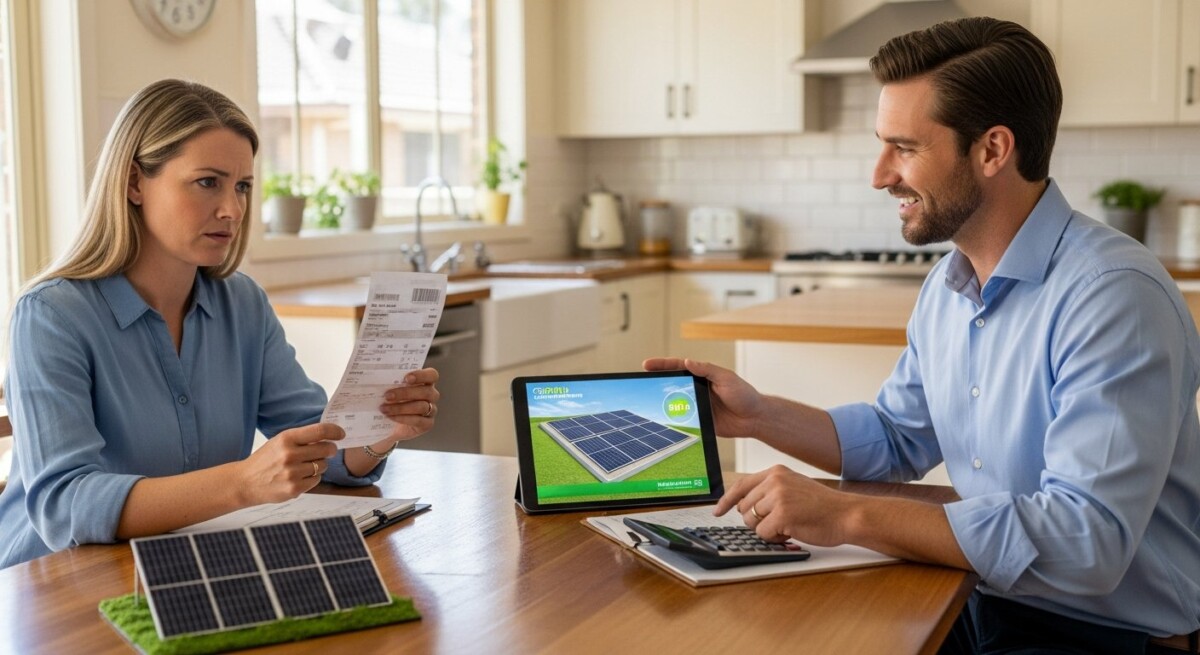
You open your monthly electricity bill and see another price increase. It feels frustrating, and you start wondering if there is a way to gain more control over your energy costs. This is the moment many homeowners begin searching for how to compare solar financing options to reduce their monthly expenses and move toward energy independence. Solar power offers a practical path to lower bills and a cleaner future, but the financial side can seem confusing at first. The key is understanding your choices so you can make a decision that fits your budget and goals.
Understanding how to compare solar financing options
How to compare solar financing options simply means evaluating the different ways you can pay for a solar panel system. Instead of paying the full installation cost upfront, most homeowners choose a financing method that spreads the expense over time. The three main options are solar loans, solar leases, and power purchase agreements (PPAs). A solar loan lets you own the system and pay it off monthly, similar to a car loan. A lease or PPA means a third party owns the panels, and you pay a fixed monthly fee or a set rate for the electricity generated.
More homeowners are comparing these options because solar financing makes clean energy accessible without a huge upfront payment. When you own the system through a loan, you can take advantage of federal tax credits and local rebates, which directly reduce your overall cost. Leases and PPAs require little or no money down but usually offer smaller long-term savings because you do not own the equipment. Understanding these trade-offs helps you choose the path that aligns with your financial situation and how long you plan to stay in your home.
Why Solar Energy Is Becoming More Popular
Rising electricity rates are pushing more homeowners to explore solar power. Utility companies increase prices year after year, and solar panels offer a way to lock in a lower, more predictable energy cost. By generating your own electricity, you reduce your dependence on the grid and protect yourself from future rate hikes. Many homeowners also appreciate the environmental benefit of using clean, renewable energy instead of fossil fuels.
Long-term savings are another major reason for solar’s growing popularity. After the system is paid off, the electricity it produces is essentially free for the remaining life of the panels, which can be 25 years or more. Federal and state incentives, such as the Investment Tax Credit, further reduce the upfront cost and shorten the payback period. These financial advantages, combined with a desire for energy independence, make solar an increasingly attractive option for American homeowners.
If you are considering solar power for your home, comparing installation quotes can help you understand your options. Request a free solar quote or call to learn more.
Common Questions Homeowners Have About Solar
Many homeowners wonder whether solar panels will actually save them money. The answer depends on your local electricity rates, the amount of sunlight your roof gets, and the cost of installation. A professional installer can provide a personalized estimate that shows your potential savings over time. Another common concern is whether your roof is suitable for solar panels, which depends on its age, material, and orientation.
Homeowners also ask about system performance during cloudy days or at night. Solar panels still generate electricity on overcast days, though at a reduced rate, and net metering programs allow you to earn credits for excess power sent to the grid. These credits can offset the electricity you use when the sun is not shining. Below are some of the most frequent questions homeowners have when starting their solar journey.
- How much does a solar system cost for an average home?
- Will solar panels work on a shaded roof?
- How long does it take to recoup the investment?
- What happens if I move before the system is paid off?
- Do I need to replace my roof before installing panels?
- Are there government incentives available in my area?
How Solar Panel Installation Works
The solar installation process begins with a home energy assessment. A professional installer reviews your electricity bills, evaluates your roof condition, and measures your property’s sun exposure. Based on this information, they design a system that matches your energy needs and roof layout. Once the design is finalized, the installer handles all necessary permits and approvals with your local utility and municipality.
After the paperwork is complete, the installation team mounts the panels on your roof or ground, connects the inverter and electrical wiring, and sets up the monitoring system. The final step is system activation, which typically involves an inspection by your local building department and utility company. Once approved, your system starts generating electricity, and you can begin tracking your savings immediately. Here are the main steps in the process.
- Home energy assessment and consultation
- Custom system design and equipment selection
- Permitting and utility approvals
- Panel installation and electrical work
- Inspection and system activation
Speaking with experienced installers can help you determine the best solar solution for your home. Compare solar quotes here or call to explore available options.
Signs Your Home May Be Ideal for Solar
Homes with strong, consistent sunlight exposure are prime candidates for solar panels. South-facing roofs with little to no shade from trees or nearby buildings capture the most energy throughout the day. If you live in a region with high electricity rates, your potential savings from solar are even greater, making the investment more attractive.
Another sign is having a relatively new roof in good condition, since solar panels last 25 to 30 years and you want to avoid removing them for a roof replacement. Homeowners who plan to stay in their home for several years also benefit the most from solar, as the savings accumulate over time. Below are some indicators that your home is well-suited for solar energy.
- Your roof receives direct sunlight for most of the day
- Your monthly electricity bills are consistently high
- You have at least 300 square feet of unshaded roof space
- Your roof is less than 10 years old or in good condition
- You plan to stay in your home for at least 5 to 7 years
- Your local utility offers net metering or other incentives
What Affects Solar Installation Costs
The size of your solar system is the biggest factor influencing cost. A larger system that covers more of your energy usage will cost more upfront but also generate greater long-term savings. The quality of the equipment, including the solar panels and inverter, also affects the price. High-efficiency panels cost more but produce more electricity in limited roof space.
Installation complexity can drive up costs if your roof has a steep pitch, unusual angles, or requires structural reinforcement. Local incentives and rebates can significantly reduce your net cost, so it is important to research what is available in your state or utility territory. Financing terms, such as interest rates and loan fees, also affect your total cost over time, which is why comparing offers is essential.
The cost of solar installation varies depending on your home and energy needs. Request personalized solar quotes or call to see what options are available.
Tips for Choosing a Reliable Solar Installer
Selecting a trustworthy installer is just as important as choosing the right financing option. Start by reviewing the installer’s experience and track record in the solar industry. Look for companies that have been in business for several years and have completed installations similar to what you need. Checking warranties on both the equipment and the workmanship gives you peace of mind that your system will perform as expected.
Reading customer reviews on third-party sites helps you gauge the company’s reputation and customer service. Comparing multiple quotes from different installers allows you to see variations in pricing, equipment quality, and financing offers. A detailed quote should break down the costs, expected energy production, and estimated savings. Below are some practical tips for finding a reliable solar partner.
- Check the installer’s licensing, insurance, and certifications
- Ask about equipment warranties (typically 25 years for panels)
- Read recent reviews on Google, Yelp, or the Better Business Bureau
- Request at least three quotes for comparison
- Inquire about financing options and interest rates
- Confirm that the installer handles permits and inspections
Long-Term Benefits of Installing Solar Panels
The most immediate benefit of solar panels is lower monthly electricity bills. Depending on your system size and local rates, you could reduce your bill by 50% to 100%, saving thousands of dollars over the life of the system. In our guide on solar financing vs cash purchase, we explain how ownership affects your long-term savings. Solar panels also increase your home’s resale value, with studies showing that buyers are willing to pay a premium for homes with solar systems already installed.
Beyond financial gains, solar energy reduces your carbon footprint and helps combat climate change. Generating your own electricity from the sun means you rely less on fossil fuels and the volatile grid. Energy independence gives you peace of mind, especially during power outages or price spikes. By choosing solar, you invest in a cleaner, more resilient future for yourself and your community. For a deeper look at the decision-making process, see our article on how to compare solar installation offers for maximum savings.
Frequently Asked Questions
What is the best solar financing option for homeowners?
The best option depends on your financial goals and how long you plan to stay in your home. A solar loan allows you to own the system and claim tax credits, offering the highest long-term savings. Leases and PPAs require no upfront cost but offer lower total savings because you do not own the equipment.
How long does it take to pay off a solar loan?
Most solar loans have terms between 10 and 20 years. With the savings on your electricity bill, many homeowners find that the monthly loan payment is lower than their old utility bill, creating immediate positive cash flow. The payback period typically ranges from 5 to 10 years after accounting for incentives.
Can I get solar panels if my roof is old?
Yes, but it is often recommended to replace an aging roof before installing solar panels. Removing and reinstalling panels for a roof replacement adds extra cost and complexity. A professional installer can assess your roof’s condition and advise you on the best course of action.
What happens to my solar panels if I move?
If you own your solar system, you can include it in the sale of your home, which often increases the property value. If you have a lease or PPA, you may need to transfer the agreement to the new homeowner or buy out the contract. Many leases include transfer options, but it is important to review the terms.
Do solar panels work during a power outage?
Standard grid-tied solar systems shut off during a power outage for safety reasons. If you want backup power during an outage, you need a battery storage system or a special inverter that can operate independently. Batteries add to the upfront cost but provide energy security.
Are there government incentives for solar in 2025?
Yes, the federal Investment Tax Credit (ITC) allows you to deduct 30% of your solar installation cost from your federal taxes. Many states and utilities also offer additional rebates, tax credits, or performance-based incentives. Incentives can change, so it is wise to check current programs in your area.
How much can I save by comparing solar quotes?
Homeowners who compare multiple quotes typically save 10% to 20% on their installation cost. Different installers offer varying prices, equipment brands, and financing terms. Shopping around ensures you get the best value and avoid overpaying for your system.
What is net metering and how does it work?
Net metering is a billing arrangement that credits you for excess electricity your solar panels send back to the grid. When your system produces more power than you use, the meter runs backward, and you earn credits. You can use those credits when your system is not producing enough, such as at night or on cloudy days.
Taking the time to understand your solar financing options is the first step toward saving money and gaining energy independence. By comparing quotes from multiple professional installers, you can find a system that fits your budget and home. Start exploring your options today and move closer to a cleaner, more affordable energy future.