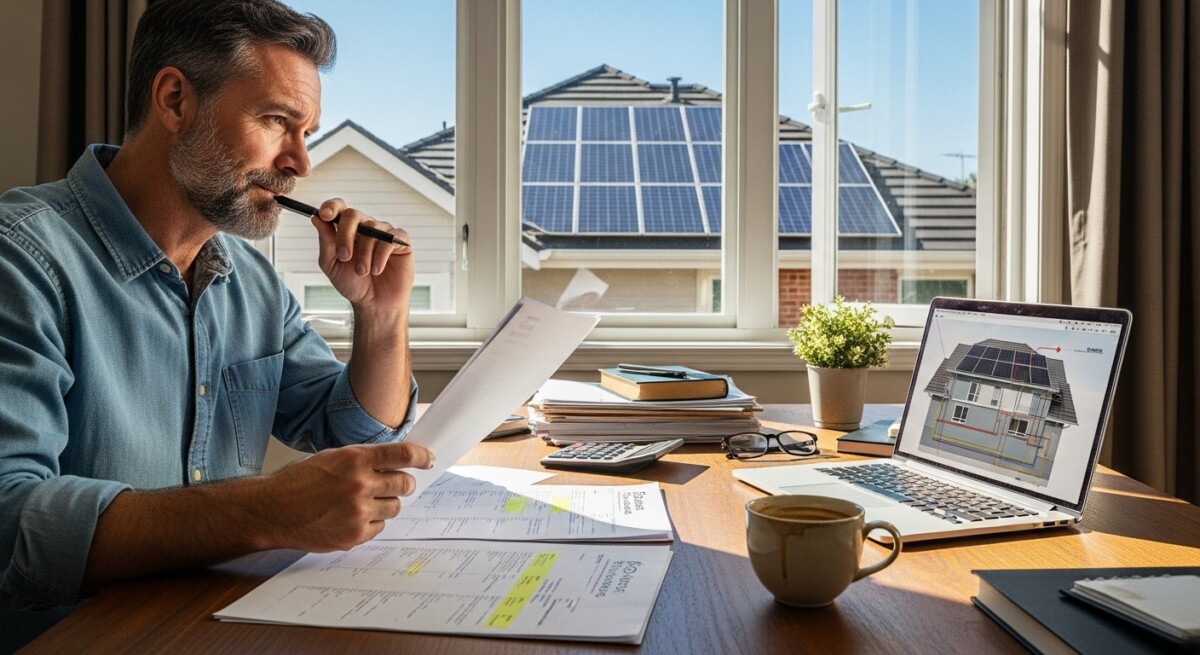
Your monthly electricity bill keeps climbing, and you have started wondering if there is a better way. Many homeowners reach this point and begin searching for how to evaluate solar provider quotes. The idea of reducing energy bills and becoming less dependent on the power grid is appealing. Solar energy offers a practical path to long-term savings, energy independence, and a smaller environmental footprint. But the first step,comparing solar installation quotes,can feel overwhelming if you do not know what to look for.
Understanding how to evaluate solar provider quotes
Learning how to evaluate solar provider quotes means understanding what each part of a quote actually represents. A solar quote is more than just a price tag; it includes equipment details, system size, installation costs, warranty terms, and estimated energy production. When you compare solar installation quotes side by side, you can see which provider offers the best value for your home.
Most quotes will list the type and number of solar panels, the inverter brand, and the expected annual energy output in kilowatt-hours (kWh). They may also include financing options, lease vs. purchase terms, and information about local incentives or rebates. By breaking down each line item, you can avoid surprises and choose a system that fits both your budget and your energy needs.
More homeowners are turning to solar because it offers predictable energy costs and protection from future rate hikes. In our guide on the Solar Provider Marketplace: Compare Quotes and Save on Energy, we explain how comparing multiple offers helps you find the right balance of quality and price.
Why Solar Energy Is Becoming More Popular
Rising electricity prices are a major reason homeowners switch to solar. Over the past decade, utility rates have increased steadily, and there is no sign of them dropping. Solar panels allow you to generate your own electricity, locking in lower energy costs for decades.
Environmental concerns also play a big role. Solar energy produces no greenhouse gases during operation, helping reduce your household carbon footprint. Many homeowners feel good about contributing to a cleaner future while also saving money.
Long-term savings are the most compelling benefit. A well-designed solar system can pay for itself in 6 to 10 years and continue producing free electricity for 25 years or more. Government incentives, such as the federal Investment Tax Credit (ITC), can reduce your upfront cost by 30%. Combined with state and local rebates, these incentives make solar more accessible than ever.
If you are considering solar power for your home, comparing installation quotes can help you understand your options. Request a free solar quote or call (555) 123-4567 to learn more.
Common Questions Homeowners Have About Solar
When you start researching solar, several questions naturally come up. One of the most common is, “How much will it cost?” The answer depends on system size, equipment quality, and your home’s specific characteristics. Another frequent question is whether your roof is suitable for solar panels. Factors like age, material, shading, and orientation all matter.
Performance is another concern. Homeowners want to know how much electricity the system will actually produce and whether it will cover their usage. A reputable installer will provide an estimated annual production based on your location, roof pitch, and local weather patterns. They should also explain how net metering works in your area, allowing you to sell excess power back to the grid.
- How much does a solar system cost for an average home?
- Will my roof need repairs before installation?
- How long does the installation process take?
- What happens if my panels produce more power than I use?
- Do solar panels work on cloudy days?
- How long do solar panels last, and what warranty do they come with?
How Solar Panel Installation Works
Solar panel installation follows a straightforward process that starts with a home energy assessment. An installer visits your property to evaluate your roof, measure sunlight exposure, and review your electricity bills. This information helps them design a system that meets your specific needs.
Once the design is complete, the installer handles all permits and approvals with your local utility and building department. This step ensures your system complies with local codes and qualifies for any available incentives. After permits are approved, the actual installation usually takes one to three days, depending on system size and roof complexity.
- Home energy assessment and site evaluation
- System design and equipment selection
- Permitting and approvals from local authorities
- Panel and inverter installation on your roof
- Electrical connection and system activation
Speaking with experienced installers can help you determine the best solar solution for your home. Compare solar quotes here or call (555) 123-4567 to explore available options.
Signs Your Home May Be Ideal for Solar
Not every home is equally suited for solar panels, but many are. The most important factor is strong, direct sunlight for most of the day. South-facing roofs with little to no shade produce the best results, but east- and west-facing roofs can also work well.
High electricity bills are another strong indicator. If you pay more than $100 per month on average, solar can likely reduce those costs significantly. Adequate roof space is also essential,typically at least 200 to 400 square feet of unshaded area for a standard system. If you plan to stay in your home for at least five more years, the long-term savings will likely outweigh the upfront investment.
- Your roof receives strong sunlight for at least 4-5 hours per day
- Your monthly electricity bills are consistently high
- You have at least 200 square feet of usable roof space
- Your roof is in good condition and less than 15 years old
- You plan to stay in your home for the next 5-10 years
- Your local utility offers net metering or other solar-friendly policies
What Affects Solar Installation Costs
Several factors influence the final price of a solar system. System size, measured in kilowatts (kW), is the biggest factor. A larger system that covers more of your energy usage will cost more upfront but deliver greater long-term savings. Equipment quality also matters,premium panels and inverters cost more but often come with better warranties and higher efficiency.
Installation complexity can add to the cost. Roofs with steep pitches, unusual materials, or multiple stories may require extra labor and safety equipment. Local labor rates and permitting fees also vary by region. On the positive side, federal, state, and local incentives can significantly reduce your net cost.
The cost of solar installation varies depending on your home and energy needs. Request personalized solar quotes or call (555) 123-4567 to see what options are available.
Tips for Choosing a Reliable Solar Installer
Choosing the right installer is just as important as choosing the right equipment. A reputable installer will have years of experience, proper licensing, and a track record of satisfied customers. They should also offer comprehensive warranties on both the equipment and the installation workmanship.
Reading online reviews and checking with the Better Business Bureau can reveal red flags. Ask for references from past customers and follow up with them. Most importantly, compare at least three quotes from different providers. This allows you to see the range of pricing and equipment options available in your area.
- Review the installer’s experience and number of installations completed
- Check warranty terms for panels, inverters, and workmanship
- Read customer reviews on Google, Yelp, and solar-specific forums
- Compare at least three quotes to ensure competitive pricing
- Ask about the installer’s relationship with equipment manufacturers
- Verify that the installer is licensed, insured, and bonded
Long-Term Benefits of Installing Solar Panels
The most obvious benefit of solar panels is lower electricity bills. Once your system is paid off, the electricity it produces is essentially free. Over 20 to 25 years, this can add up to tens of thousands of dollars in savings, depending on your energy usage and local utility rates.
Solar panels also increase your home’s resale value. Studies show that homes with solar systems sell for a premium compared to similar homes without them. Buyers recognize the value of reduced utility costs and energy independence.
Beyond financial benefits, solar energy reduces your reliance on fossil fuels and helps combat climate change. Generating your own clean power gives you a sense of independence from the grid and protects you from future rate increases. It is a practical, long-term investment in both your wallet and the planet.
FAQs
How do I start evaluating solar provider quotes?
Start by collecting at least three quotes from different installers. Look at the system size, equipment brands, warranty terms, and estimated energy production. Compare the cost per watt and the total price after incentives to find the best value.
What should I look for in a solar quote?
Pay attention to the type and number of solar panels, the inverter brand, the estimated annual kWh production, and the warranty coverage. Also check whether the quote includes installation, permits, and any monitoring equipment.
How much can solar panels save me on electricity bills?
Savings depend on your local utility rates, system size, and sun exposure. Most homeowners save between $600 and $2,400 per year. Over 25 years, total savings often range from $15,000 to $50,000 or more.
Are government incentives still available for solar?
Yes, the federal Investment Tax Credit (ITC) allows you to deduct 30% of your solar installation cost from your federal taxes. Many states and utilities also offer additional rebates, performance incentives, or tax credits.
How long does it take to install solar panels?
The physical installation typically takes one to three days. The entire process, from signing the contract to system activation, usually takes 4 to 8 weeks due to permitting and utility approvals.
What happens if my solar panels produce more power than I use?
In most areas, net metering allows you to send excess electricity back to the grid in exchange for credits on your bill. These credits offset the power you use at night or during cloudy days.
Do solar panels work during a power outage?
Standard grid-tied solar systems shut down during outages for safety reasons. If you want backup power, you need a battery storage system or a hybrid inverter with islanding capability.
How do I find a reliable solar installer near me?
Use a quote comparison service like NewSolarQuotes to connect with pre-screened, local installers. Read reviews, check licenses, and ask for references before making your final choice.
Switching to solar is one of the most effective ways to reduce your electricity bills, increase your home’s value, and contribute to a cleaner environment. The key to a successful solar investment is taking the time to evaluate your options carefully. By comparing solar installation quotes from multiple providers, you can find the right system at the right price. Start your journey today and take control of your energy future.