You open your monthly electric bill and feel a familiar pinch. Rates keep climbing, and you wonder if there is a way to take control. This is why more homeowners are searching for how to analyze solar system proposals before making a commitment. The promise of reducing energy bills and gaining independence from the grid is appealing, but the process can feel overwhelming. By learning to compare offers carefully, you can choose a system that fits your home and your budget.
Understanding How to Analyze Solar System Proposals
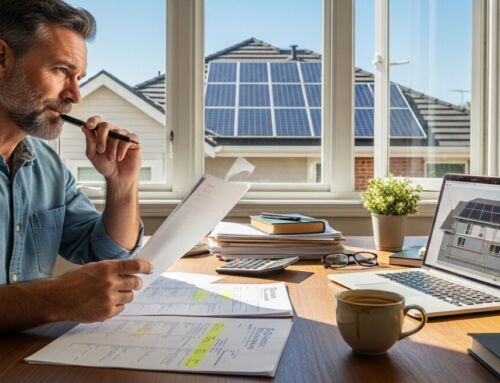
A solar system proposal is a detailed document from an installer that outlines the equipment, costs, and expected savings for your home. Think of it as a blueprint for your potential solar installation. It includes the type and number of panels, the inverter, estimated annual production, and the total price after incentives. Learning how to analyze solar system proposals helps you see past the sales pitch and focus on the numbers that matter most to your wallet.
When you know what to look for, you can spot differences in equipment quality, warranty terms, and financing options. For example, two proposals might show similar monthly savings but use very different panel brands or loan interest rates. Understanding these details ensures you are comparing apples to apples. Many homeowners skip this step and later regret missing out on better efficiency or longer warranties.
Key Components of a Standard Proposal
Most proposals include a system size measured in kilowatts (kW), an estimated annual energy production in kilowatt-hours (kWh), and a breakdown of costs. The proposal should also show how the installer calculated your savings based on your current utility rates. Look for a clear explanation of the federal solar tax credit and any state or local rebates. If the proposal is vague or skips these details, consider it a red flag.
Why Solar Energy Is Becoming More Popular
Electricity prices in the United States have risen steadily over the past decade, and many homeowners feel the strain. Solar power offers a way to lock in a lower, more predictable energy cost for decades. The average solar panel system pays for itself in six to ten years and then provides free electricity for the rest of its 25-year or longer lifespan. That long-term financial savings is a powerful motivator for families looking to stretch their budgets.
Beyond economics, more people are concerned about their environmental footprint. Solar energy produces no carbon emissions during operation and reduces dependence on fossil fuels. Installing panels on your roof is a practical way to contribute to a cleaner planet while also increasing your home’s value. Studies show that homes with solar panels sell faster and at higher prices than comparable non-solar homes.
Government incentives also make solar more accessible than ever. The federal Investment Tax Credit (ITC) allows you to deduct 30 percent of the installation cost from your federal taxes. Many states and utilities offer additional rebates or performance-based incentives. These programs are designed to encourage homeowners to switch, but they often have expiration dates or changing caps. That is why comparing quotes now can help you take advantage of current benefits before they shrink.
If you are considering solar power for your home, comparing installation quotes can help you understand your options. Request a free solar quote or call to learn more.
Common Questions Homeowners Have About Solar
Before diving into proposals, most homeowners have a few basic questions. How much does a solar system cost? Will my roof work for solar panels? How long will it take to see savings? These concerns are normal, and a good proposal should address them clearly. If an installer cannot answer these questions, they may not be the right fit for your project.
Your roof’s age, material, and orientation all affect system performance. South-facing roofs with little shade typically produce the most energy. However, east and west-facing roofs can also work well, especially with modern panel efficiency. The installer should include a shade analysis and a structural assessment in their proposal. If they skip these steps, the estimated savings could be inaccurate.
- How much will I save on my electricity bills each month?
- What happens if my roof needs repairs after the panels are installed?
- How long do solar panels last, and what is the warranty?
- Will I still have power during a blackout with grid-tied solar?
- Can I finance the system with no money down?
- How does net metering work in my area?
How Solar Panel Installation Works
The installation process usually starts with a home energy assessment. An installer reviews your electricity usage, roof condition, and sunlight exposure. They use this data to design a system that meets your specific needs. Understanding this process helps you know what to expect and ensures the proposal is based on real measurements, not generic assumptions.
After you approve the design, the installer handles permits and approvals from your local government and utility company. This step can take a few weeks, but a reliable installer manages it for you. The actual panel installation typically takes one to three days. Once installed, the system is inspected and connected to the grid, and you start generating your own power.
- Home energy assessment and usage review
- Custom system design and proposal creation
- Permit applications and utility approvals
- Professional panel and inverter installation
- Final inspection and system activation
Speaking with experienced installers can help you determine the best solar solution for your home. Compare solar quotes here or call to explore available options.
Signs Your Home May Be Ideal for Solar
Not every home is equally suited for solar panels, but many are. The best candidates have roofs with good sun exposure, minimal shading, and enough space for the needed number of panels. If your roof faces south, southwest, or southeast, you are likely to see excellent energy production. Even homes with east-west roofs can benefit, especially with today’s high-efficiency panels.
High electricity bills are another strong indicator that solar will save you money. If you pay more than $100 per month for electricity, a solar system can likely reduce or eliminate that cost. Homeowners who plan to stay in their homes for five or more years also benefit the most, since the system pays back over time. Renters or those planning to move soon may not recoup the full investment.
- Your roof receives strong sunlight for most of the day
- Your monthly electricity bills are consistently high
- You have adequate unshaded roof space facing south or west
- You plan to stay in your home for at least five more years
- Your roof is in good condition or newly replaced
- Your state or utility offers attractive solar incentives
What Affects Solar Installation Costs
The cost of a solar system depends on several factors, starting with system size. Larger systems that generate more electricity cost more upfront but also provide greater long-term savings. Equipment quality also plays a major role. Premium panels from brands like SunPower or LG are more efficient and come with better warranties, but they cost more than standard panels. Your installer should explain these trade-offs in the proposal.
Installation complexity can drive up labor costs. If your roof is steep, has multiple angles, or requires electrical panel upgrades, the price will be higher. Local incentives and utility policies also affect your net cost. Some states offer substantial rebates that lower the upfront price, while others have favorable net metering policies that increase savings. In our guide on how to analyze solar system proposals, we break down these factors in more detail to help you spot hidden costs.
The cost of solar installation varies depending on your home and energy needs. Request personalized solar quotes or call to see what options are available.
Tips for Choosing a Reliable Solar Installer
Finding the right installer is just as important as choosing the right equipment. A reputable company will have years of experience, proper licensing, and a track record of satisfied customers. They should also offer strong warranties on both the equipment and the workmanship. If a proposal has no warranty information or a very short coverage period, it is worth questioning.
Reading online reviews and asking for references can give you a sense of how the installer handles problems. A reliable company will be transparent about timelines, costs, and potential challenges. They will also help you understand your financing options, whether you choose a loan, lease, or power purchase agreement. Comparing multiple quotes is the best way to see which installer offers the best value for your situation.
- Review the installer’s experience and licensing credentials
- Check the length and coverage of equipment and workmanship warranties
- Read customer reviews on Google, Yelp, and the Better Business Bureau
- Ask for references from recent installations in your area
- Compare at least three quotes to see differences in price and quality
- Ensure the proposal includes a production guarantee
Long-Term Benefits of Installing Solar Panels
The most immediate benefit of solar is lower electricity bills. Depending on your system size and local utility rates, you could save hundreds or even thousands of dollars each year. Over the 25-year lifespan of a typical system, those savings add up significantly. Many homeowners find that their solar panels pay for themselves well before the warranty ends, leaving them with decades of nearly free energy.
Solar also increases your home’s resale value. Studies by the National Renewable Energy Laboratory show that homes with solar panels sell for about 4 percent more than comparable homes without them. Buyers see the lower utility bills as a major perk, making your property more attractive on the market. Additionally, generating your own power gives you energy independence and protection from future rate hikes.
On the environmental side, the average residential solar system offsets about three to four tons of carbon dioxide per year. That is equivalent to planting more than 100 trees annually. By choosing solar, you are making a measurable difference in the fight against climate change while also enjoying personal financial rewards.
Frequently Asked Questions
How do I know if a solar proposal is accurate?
Check the estimated annual production against your actual electricity usage. A reliable installer will use a tool like Aurora or Helioscope to model your roof’s sun exposure. If the numbers seem too good to be true, ask for a detailed breakdown of their assumptions.
What is the difference between solar panel brands?
Panel brands vary in efficiency, durability, and warranty. Premium brands like SunPower and REC offer higher efficiency and longer warranties, while budget brands may have lower upfront costs. Your proposal should specify the brand and model so you can research its performance ratings.
Can I install solar panels myself to save money?
DIY solar installation is possible but risky for most homeowners. You need electrical expertise, knowledge of local codes, and the ability to work safely on a roof. Professional installers handle permits, inspections, and warranties, which can save you from costly mistakes. Most utility incentives also require professional installation.
How long does it take to get solar panels installed?
From signing a contract to activation, the process usually takes four to eight weeks. Permitting and utility approvals account for most of that time. The physical installation typically takes one to three days, depending on system size and roof complexity.
Will solar panels work on cloudy days?
Yes, solar panels still generate electricity on cloudy days, just at a reduced rate. Modern panels can capture diffuse sunlight. Your system will produce less energy during overcast periods, but net metering credits from sunny days can help balance your usage.
What happens to my solar system if I move?
If you own your system, you can include it in the home sale and often increase your asking price. If you have a solar lease or PPA, the new owner may need to qualify to take over the payments. Some agreements allow you to buy out the system or transfer it to your new home.
Are there any hidden costs in a solar proposal?
Watch for fees related to permitting, engineering, or electrical panel upgrades. A transparent proposal will list all costs upfront. Ask about potential charges for tree trimming, roof repairs, or monitoring equipment to avoid surprises later.
How do I compare solar financing options?
Look at the loan’s interest rate, term length, and whether there are prepayment penalties. A cash purchase gives you the highest long-term savings, but loans and leases can make solar accessible with little upfront cost. Compare the total cost over the loan term, not just the monthly payment.
Understanding how to analyze solar system proposals puts you in control of your energy future. By comparing quotes, checking equipment quality, and asking the right questions, you can choose a system that delivers real savings and peace of mind. Start exploring your options today and take the first step toward a cleaner, more affordable home.