You open your monthly electricity bill and notice it has crept up again. Like many homeowners, you have probably wondered if there is a way to reduce those costs and gain more control over your energy use. The search for answers often leads to one practical solution: solar power. Learning how to request solar estimates online is the first step toward lowering your utility bills and reducing your reliance on the traditional power grid.
Requesting solar estimates online is a simple, no-pressure way to explore whether solar panels are right for your home. Instead of scheduling multiple in-person visits upfront, you can compare system options, estimated savings, and installation costs from the comfort of your couch. This article walks you through the entire process so you can make an informed decision with confidence.
Understanding how to request solar estimates online
Requesting solar estimates online means using a website or service to submit basic information about your home and energy usage. You typically provide your address, average monthly electric bill, and a few details about your roof. The service then sends your information to multiple pre-vetted solar installers who return customized quotes for your review.
This process works because solar companies use satellite imagery and public property data to assess your roof’s size, angle, and sun exposure without ever stepping foot on your property. They combine that data with local electricity rates and available incentives to generate a preliminary savings estimate. For homeowners, this removes the hassle of cold-calling contractors or waiting weeks for a single proposal.
More homeowners are turning to online estimates because they value transparency and convenience. You can compare up to five or more quotes side by side, evaluating equipment quality, warranty terms, and total cost before committing to a single company. It puts the power of choice back in your hands and helps you avoid high-pressure sales tactics.
What to expect from an online solar estimate
A quality online estimate should include the recommended system size in kilowatts, projected annual energy production, estimated monthly savings, and the total cost after federal and state incentives. It should also list the specific solar panels and inverters included in the proposal. If an estimate lacks these details, consider it a red flag and move on to a more thorough provider.
Why Solar Energy Is Becoming More Popular
Rising electricity prices are the number one reason homeowners are switching to solar. According to the U.S. Energy Information Administration, residential electricity rates have increased steadily over the past decade, and the trend shows no signs of slowing. Solar panels allow you to generate your own power and lock in a lower, more predictable energy cost for decades.
Environmental concerns also play a major role. Solar energy produces zero carbon emissions once the panels are installed, making it one of the cleanest energy sources available. By choosing solar, you reduce your household’s carbon footprint and contribute to a healthier planet for future generations.
Long-term savings are the final, compelling piece of the puzzle. While the upfront cost of solar can seem significant, most homeowners recover their investment within six to ten years through reduced electricity bills. After that, the electricity your panels produce is essentially free, saving you tens of thousands of dollars over the system’s 25- to 30-year lifespan.
If you are considering solar power for your home, comparing installation quotes can help you understand your options. Request a free solar quote or call to learn more.
Common Questions Homeowners Have About Solar
Many homeowners hesitate to pursue solar because they are unsure about costs, roof suitability, and system performance. These are valid concerns, and the best way to address them is with accurate, personalized information from multiple installers. By learning how to request solar estimates online, you can get those answers quickly.
One common worry is whether solar panels will work on an older or shaded roof. Most installers will assess your roof’s condition during the estimate process and recommend repairs or tree trimming if needed. Even roofs with partial shade can benefit from newer microinverter technology that maximizes energy production from each panel individually.
- How much does a solar system cost? The average residential system runs between $15,000 and $25,000 before incentives, but online estimates can give you a precise number for your home.
- Will solar panels work during cloudy days or winter? Yes, panels still generate electricity in diffuse light, though output is lower than in full sun.
- How long do solar panels last? Most panels carry a 25-year performance warranty and continue producing power well beyond that.
- Do I need a battery with my solar system? Batteries are optional but provide backup power and allow you to store excess energy for nighttime use.
- What happens if I move? Solar panels can increase your home’s resale value, and many buyers view them as a desirable feature.
How Solar Panel Installation Works
The installation process is straightforward when you work with a professional installer. Once you select a quote and sign a contract, the installer handles everything from design to permits to final hookup. Understanding the steps helps you feel prepared and confident in your decision.
Most installations take one to three days, depending on the system size and roof complexity. The timeline from signing to activation usually ranges from four to eight weeks due to permitting and utility approvals. Your installer will keep you informed at every stage.
- Home Energy Assessment , The installer reviews your past electricity bills and discusses your energy goals to determine the ideal system size.
- System Design , Using satellite images and on-site measurements, the team designs a layout that maximizes sun exposure and fits your roof.
- Permits and Approvals , The installer submits the required permits to your local government and interconnection application to your utility company.
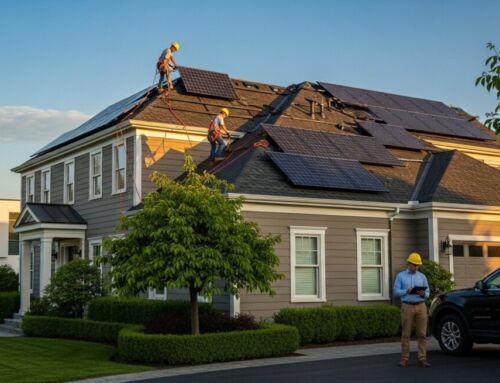
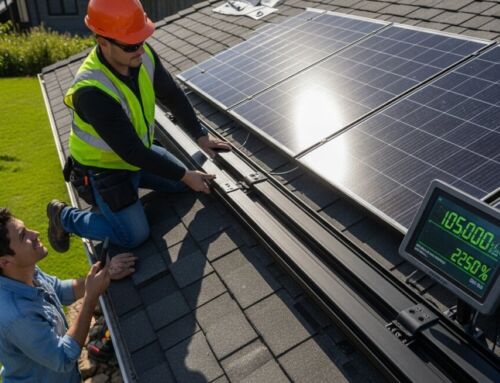
- Panel Installation , Crews mount the racking system, install the panels, connect the inverter, and run wiring to your electrical panel.
- System Activation , After a final inspection and utility approval, your system is turned on and begins generating power.
Speaking with experienced installers can help you determine the best solar solution for your home. Compare solar quotes here or call to explore available options.
Signs Your Home May Be Ideal for Solar
Not every home is a perfect candidate for solar, but many are. The best way to know for sure is to request estimates from multiple installers who can evaluate your specific situation. That said, certain signs suggest your home is well-suited for solar panels.
Homes with south-facing roofs that receive direct sunlight for most of the day tend to generate the most energy. If your roof is free of heavy shading from trees or nearby buildings, your system will operate at peak efficiency. Additionally, homeowners who pay high electricity bills or live in areas with strong net metering policies benefit the most financially.
- Strong sunlight exposure , Your roof gets at least four to five hours of direct sun per day.
- High electricity bills , You pay $100 or more per month on average, making solar savings significant.
- Suitable roof space , You have at least 300 square feet of unobstructed roof area facing south, east, or west.
- Long-term home ownership plans , You plan to stay in your home for at least five to seven years to fully recoup your investment.
What Affects Solar Installation Costs
Solar installation costs vary widely based on several key factors. Understanding these variables helps you interpret the quotes you receive and identify which offer the best value. In our guide on how accurate solar estimates are, we explain how installers calculate projected savings and what to watch for in a proposal.
System size is the biggest cost driver. A larger system that covers 100 percent of your electricity usage costs more upfront but delivers greater long-term savings. Equipment quality also matters,premium panels and inverters often come with longer warranties and higher efficiency, which can justify a higher price tag.
Installation complexity affects labor costs. A simple, single-story roof with easy access costs less to install than a steep, multi-story roof with complex angles. Local incentives, including the federal solar tax credit and state rebates, can reduce your net cost by 30 percent or more, so always ask installers to include these in their quotes.
The cost of solar installation varies depending on your home and energy needs. Request personalized solar quotes or call to see what options are available.
Tips for Choosing a Reliable Solar Installer
Choosing the right installer is just as important as choosing the right equipment. A reputable company ensures your system is designed correctly, installed safely, and supported with responsive customer service. Taking the time to vet installers saves you headaches down the road.
Start by confirming that each installer holds valid state licenses and carries general liability and workers’ compensation insurance. Ask for references from recent customers in your area and read online reviews on platforms like Google, Yelp, and the Better Business Bureau. A history of satisfied customers is a strong indicator of quality work.
- Review installer experience , Look for companies with at least five years in business and a track record of residential installations.
- Check warranties , Ensure the installer offers a workmanship warranty of at least ten years and that the equipment warranties are backed by the manufacturer.
- Read customer reviews , Pay attention to feedback about communication, timeliness, and post-installation support.
- Compare multiple quotes , Never settle for the first offer; comparing at least three quotes helps you find the best combination of price and value.
Long-Term Benefits of Installing Solar Panels
The long-term benefits of solar panels extend far beyond monthly savings on your electric bill. Over the life of your system, you will likely save between $20,000 and $50,000, depending on your local utility rates and the size of your installation. Those savings free up money for other priorities, from home improvements to retirement.
Solar panels also increase your home’s resale value. Studies show that homes with solar panels sell for a premium compared to similar homes without them. Buyers recognize the value of a paid-off system that delivers decades of free electricity, making your property more attractive on the market.
Energy independence is another powerful benefit. Generating your own power insulates you from future rate hikes and grid instability. When paired with a battery, you can keep your lights on during power outages, giving you peace of mind that money simply cannot buy. And because solar produces clean energy, every kilowatt-hour you generate reduces reliance on fossil fuels. To get started, follow these steps to request solar quotes and begin your journey toward energy independence.
Frequently Asked Questions About Solar Estimates
How do I request solar estimates online?
You can request solar estimates online by visiting a reputable quote comparison site and filling out a short form with your address, average electric bill, and contact information. The site then shares your details with multiple certified installers who email you customized proposals. This process takes just a few minutes and requires no commitment.
Are online solar estimates accurate?
Online estimates are generally accurate for preliminary planning, but they rely on satellite data and average assumptions. A final, binding quote will come after an installer inspects your roof and electrical panel in person. Use online estimates to compare options and narrow down your choices before scheduling site visits.
How many solar quotes should I compare?
Industry experts recommend comparing at least three to five quotes before making a decision. This range gives you a clear picture of market pricing and allows you to evaluate differences in equipment quality, warranty terms, and customer service. Comparing multiple quotes can save you thousands of dollars over the life of your system.
What information do I need to provide for a solar estimate?
You typically need to provide your home address, the name of your utility company, and your average monthly electricity bill. Some services also ask about your roof type, age, and shading conditions. The more accurate the information you provide, the more precise your estimate will be.
How long does it take to receive solar quotes online?
Most quote services deliver your first proposals within 24 to 48 hours after you submit your information. Some services offer same-day responses, especially during business hours. The speed depends on how quickly installers in your area review and respond to your request.
Can I get solar estimates if I have an older roof?
Yes, you can still get estimates for an older roof, but most installers will recommend a roof inspection first. If your roof needs replacement within the next five to ten years, it may be more cost-effective to replace it before installing solar panels. Many installers offer integrated roof-and-solar packages to simplify the process.
Do online solar estimates include federal tax credits and rebates?
Reputable online estimates include the federal solar Investment Tax Credit (ITC) and any applicable state or local rebates in their pricing breakdown. Always check the fine print to confirm that the quoted price reflects these incentives. The federal credit alone reduces your system cost by 30 percent through 2032.
Is it safe to share my contact information when requesting solar estimates?
Yes, as long as you use a trusted, secure website that values your privacy. Look for sites that have clear privacy policies and do not sell your data to third parties. Reputable solar quote services only share your information with pre-vetted installers who need it to provide accurate proposals.
Requesting solar estimates online is the easiest way to start your journey toward lower electricity bills, energy independence, and a smaller carbon footprint. By comparing multiple quotes, you gain the knowledge and confidence to choose the right system and installer for your home. Take the first step today and see how much you could save with solar.