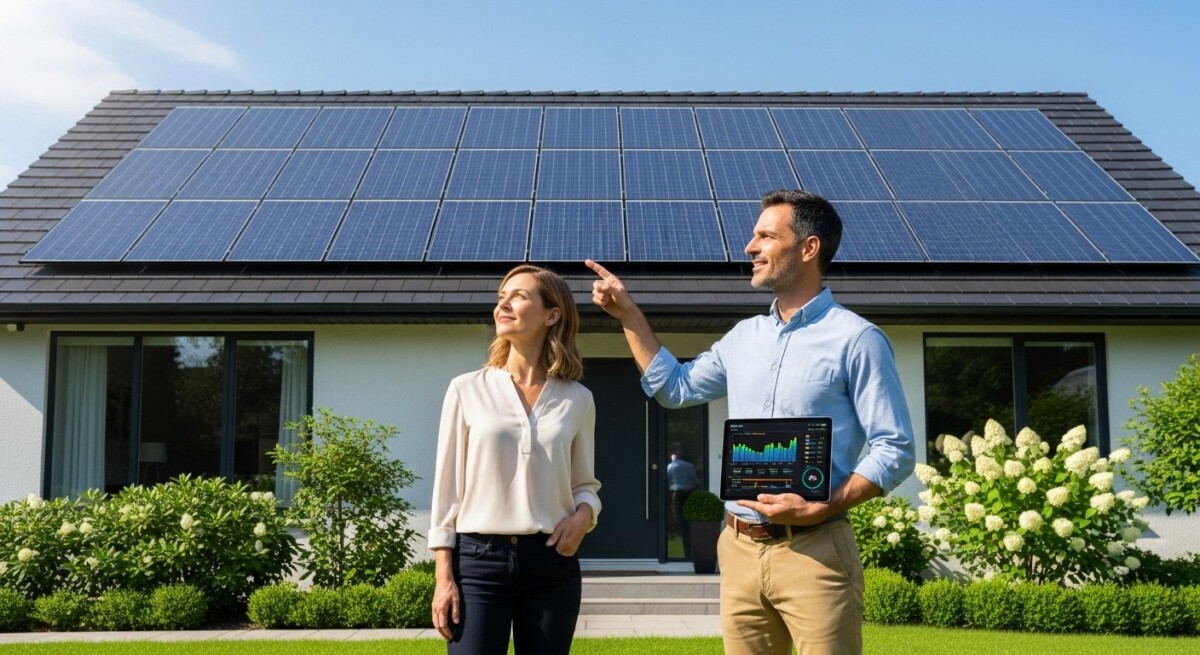
If you’ve watched your electricity bill climb steadily, you’re not alone. Many homeowners are now looking for a way to take control of their energy costs and reduce their reliance on the unpredictable power grid. The solution often starts with learning how to size solar system for home use, a crucial step toward achieving significant savings and energy independence.
Understanding How to Size Solar System for Home
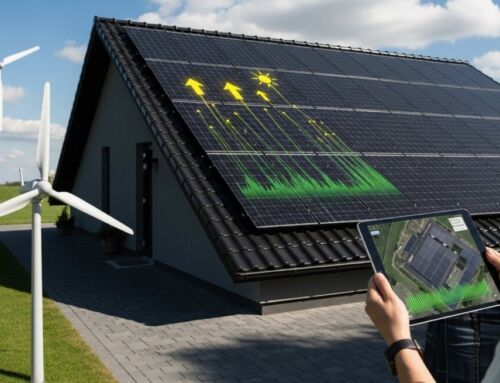
Sizing a solar system for your home means calculating the right number of solar panels to meet your specific energy needs. It’s about matching the system’s power output with your household’s electricity consumption. Getting this balance right is key to maximizing your financial return and energy production.
The process involves analyzing your past electricity usage, considering your roof’s physical characteristics, and understanding your future energy goals. A properly sized system should cover a substantial portion of your annual electricity bill without being unnecessarily large or expensive. Our guide on understanding solar system cost breakdown for homeowners details how sizing directly impacts your investment.
Why Solar Energy Is Becoming More Popular
Homeowners are turning to solar power for several compelling reasons. First and foremost, rising electricity prices make a fixed-cost solar investment increasingly attractive. Once your system is paid off, the energy it produces is essentially free for decades, protecting you from future rate hikes.
Beyond the wallet, environmental concerns are a major driver. Solar energy is a clean, renewable resource that reduces your household’s carbon footprint. Combined with long-term savings and the desire for greater self-sufficiency, it’s a powerful package that adds value to your home and peace of mind.
If you are considering solar power for your home, comparing installation quotes can help you understand your options. Request a free solar quote or call to learn more.
Common Questions Homeowners Have About Solar
It’s normal to have questions before making a significant home upgrade. Many wonder about the upfront cost and how long it will take to see a return on their investment. Others are concerned about whether their roof is suitable or what happens on cloudy days.
Professional installers are experts at answering these questions and providing clear, trustworthy information. They can assess your unique situation and give you realistic expectations about performance, savings, and the installation process itself.
- How much does a solar panel system cost?
- Is my roof strong enough and facing the right direction?
- Will solar panels work during a power outage?
- How long will the installation process take?
- What maintenance is required?
- Are there financing options or rebates available?
How Solar Panel Installation Works
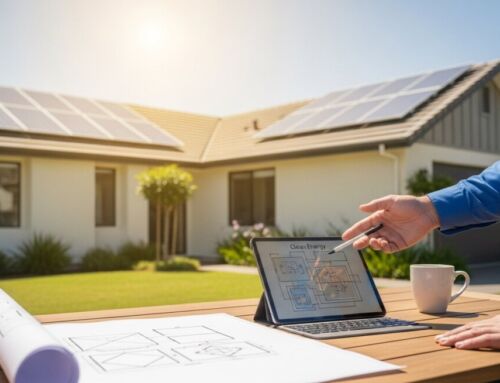
The solar installation process is designed to be straightforward and managed by professionals from start to finish. It begins with a detailed consultation and energy assessment of your home. This initial step is critical for accurately determining how to size solar system for home energy needs.
After the design is finalized, your installer handles all the necessary permits and paperwork. The physical installation is typically completed in just a few days, followed by inspections and connection to the grid. You’ll be guided through every step.
- Home Energy Assessment and Consultation
- Custom System Design and Proposal
- Permitting and Utility Approvals
- Physical Installation of Panels and Inverter
- Final Inspections and System Activation
Speaking with experienced installers can help you determine the best solar solution for your home. Compare solar quotes here or call to explore available options.
Signs Your Home May Be Ideal for Solar
Certain home characteristics make solar panel systems particularly effective and economical. The most obvious is having a roof with strong, unobstructed sunlight exposure for most of the day. South-facing roofs in the Northern Hemisphere are typically ideal, but east and west-facing roofs can also work well.
If you have high monthly electricity bills, you stand to gain more from the switch to solar. The savings will be more substantial, improving your return on investment. A long-term plan to stay in your home also makes sense, as it allows you to enjoy the full benefit of the system’s lifespan.
- Your roof receives direct sunlight for 6+ hours a day.
- You have high or rising electricity costs.
- Your roof is in good condition with adequate space.
- You plan to own your home for 5+ years.
- Your local area offers net metering programs.
- You are motivated by energy independence or environmental goals.
What Affects Solar Installation Costs
The total cost of your solar installation is influenced by several key factors. The system size, which is determined by your energy usage, is the primary driver. Higher-quality, more efficient panels and inverters may have a higher upfront cost but can produce more power in a smaller space.
Installation complexity, such as roof pitch or multiple roof planes, can affect labor costs. Most importantly, available government incentives, tax credits, and local utility rebates can dramatically reduce your net cost. Exploring affordable solar panel systems for homeowners can show you how incentives make solar accessible.
The cost of solar installation varies depending on your home and energy needs. Request personalized solar quotes or call to see what options are available.
Tips for Choosing a Reliable Solar Installer
Selecting the right installer is as important as choosing the right system. A reputable company will ensure a smooth process, proper system sizing, and long-term performance. They act as your guide, helping you navigate incentives and avoid costly mistakes.
Always check an installer’s certifications, licenses, and insurance. Look for companies with a strong track record in your community and read customer reviews to gauge their reliability and customer service. A trustworthy installer will be transparent about all costs and expectations.
- Verify licenses, insurance, and certifications (like NABCEP).
- Read customer reviews and ask for local references.
- Review the warranties offered on both equipment and workmanship.
- Ensure they handle the entire permit and interconnection process.
- Get detailed, written proposals from multiple companies.
- Choose an installer who listens to your goals and answers questions clearly.
Long-Term Benefits of Installing Solar Panels
The long-term advantages of a correctly sized solar system extend far beyond the initial installation. The most immediate benefit is dramatically lower, predictable monthly energy costs. Over the 25+ year life of the system, this adds up to tens of thousands of dollars in savings for many homeowners.
Solar panels also increase your property value and make your home more attractive to future buyers. You’ll gain a measure of energy independence, buffering yourself from utility rate volatility. Perhaps most rewarding is the knowledge that you are reducing your environmental impact for decades to come.
How do I calculate what size solar system I need?
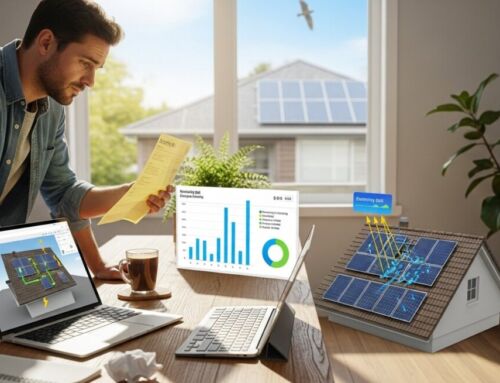
Start by reviewing your past year’s electricity bills to find your average monthly kilowatt-hour (kWh) usage. A professional installer will use this data, along with your roof’s sun exposure and local climate, to model a system that meets your needs. They aim to offset a high percentage of your usage, often 80-100%, to maximize savings.
How many solar panels does an average house need?
The average home needs between 17 and 25 solar panels, but this varies widely. It depends on your energy consumption, the panel’s wattage, and your location’s sunlight. A 6 kW system, a common residential size, might use around 15-20 modern high-efficiency panels.
What is the 120% rule for solar?
The 120% rule is an electrical code provision for older electrical panels. It allows the solar breaker to take up the last 20% of a panel’s busbar rating if the main breaker is at the opposite end. Your installer will evaluate your electrical panel to ensure it can safely handle the solar connection.
Can a solar system be too big for my home?
Yes, a system can be oversized. If it consistently produces more energy than you can use or sell back to the grid (based on local net metering rules), you may not receive full credit for the excess. A professional sizing ensures your system is optimized for your consumption patterns and local regulations.
Do I need a battery with my solar system?
A battery is not required for most grid-tied systems, but it adds valuable backup power during outages. It allows you to store excess solar energy for use at night. While it increases the initial cost, it significantly enhances energy independence and security.
How long does it take to install a home solar system?
From signing a contract to system activation, the process typically takes one to three months. The physical installation on your roof usually takes only one to three days. Most of the timeline is for design, permitting, and scheduling the utility’s final inspection and connection.
Taking the time to understand how to size solar system for home use is the first step toward energy independence and long-term savings. By gathering information and comparing detailed quotes from qualified installers, you can make a confident decision that will benefit your home, your finances, and the environment for years to come.