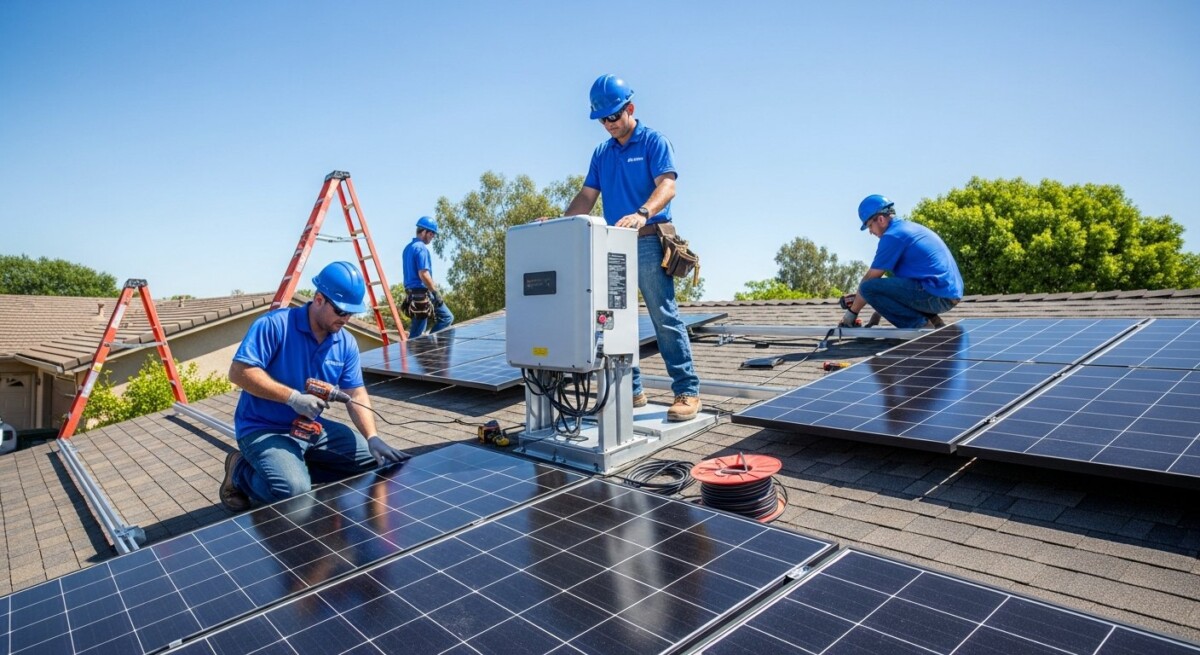
You open your monthly electricity bill and feel that familiar pinch. Rates keep climbing, and you wonder if there is a way to break free from the grid. That is when you start searching online for answers, asking yourself: how long solar installation takes, and whether the process is worth the wait. The good news is that going solar does not require months of disruption. With the right installer, you can move from research to energy savings faster than you might think.
Understanding How Long Solar Installation Takes
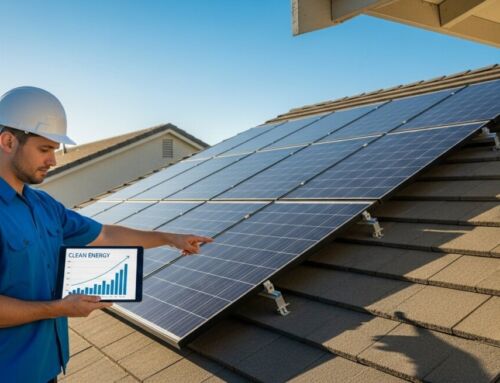
Solar panel installation is the process of mounting photovoltaic panels on your roof or property so they can convert sunlight into electricity for your home. The technology has been around for decades, but recent improvements in efficiency and affordability have made it a practical choice for ordinary homeowners. When you ask how long solar installation takes, the answer depends on several factors, but the actual physical work is surprisingly quick.
For a typical residential system, the installation crew usually finishes mounting the panels, connecting the inverter, and wiring the system in one to three days. However, the full timeline from signing a contract to flipping the switch on your new solar system often spans four to eight weeks. Most of that time is spent on paperwork, permits, and inspections rather than actual construction. Our comprehensive guide on how long solar installation takes for your home breaks down every stage so you know exactly what to expect.
What Happens During the Waiting Period
Before a single panel goes on your roof, your installer must design a system tailored to your energy usage and roof layout. They submit permit applications to your local city or county, which can take one to three weeks for approval. Your utility company also needs to review and approve the interconnection agreement, which allows your system to feed power back to the grid. These administrative steps are where delays most often occur, but a professional installer manages them for you.
Why Solar Energy Is Becoming More Popular
Rising electricity prices are pushing more homeowners to look for alternatives. The average cost of residential electricity has increased steadily over the past decade, and utility rates show no sign of slowing down. Solar panels give you the ability to generate your own power and lock in lower energy costs for decades.
Environmental concerns also play a major role. Solar energy produces no carbon emissions during operation, which helps reduce your household’s carbon footprint. At the same time, federal tax credits and many state rebates lower the upfront cost significantly, making solar a smart financial move. Exploring affordable solar installation options can show you how incentives make the switch even more accessible.
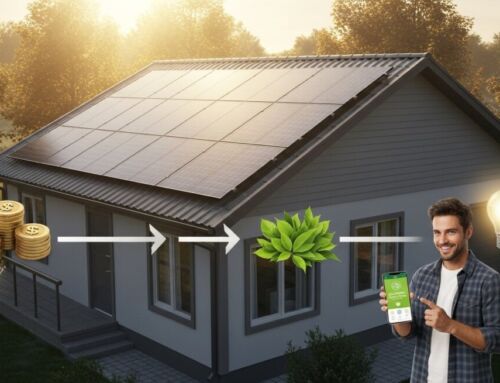
Long-term savings remain the most compelling reason. Most homeowners recover their initial investment within six to ten years through lower electricity bills, and solar panels last 25 years or more. After that payback period, the electricity your panels produce is essentially free.
If you are considering solar power for your home, comparing installation quotes can help you understand your options. Request a free solar quote or call to learn more.
Common Questions Homeowners Have About Solar
Many homeowners hesitate because they worry about the cost of installation. The truth is that prices have dropped dramatically over the last ten years, and financing options such as solar loans and leases make it possible to go solar with little or no money down. Your installer will help you review the numbers so you can see the return on investment for your specific situation.
Another frequent concern is whether a roof can support solar panels. Most asphalt shingle, tile, or metal roofs in good condition work perfectly. If your roof needs replacement soon, you can handle both projects together. System performance in cloudy or cold climates also surprises people,solar panels produce electricity even on overcast days, and cooler temperatures actually improve efficiency.
- How much does a solar system cost for an average home?
- Will solar panels work on a shaded roof?
- What happens if I sell my house with solar panels?
- Do I need a battery to go solar?
- How long do solar panels last?
- Are there government incentives available right now?
How Solar Panel Installation Works
The process starts with a home energy assessment, where an installer reviews your electricity bills, measures your roof, and evaluates sunlight exposure. They use this data to design a system that matches your energy needs. After you approve the design, your installer handles all the permits and paperwork with your local government and utility company.
When everything is approved, the installation team arrives. They mount racking hardware to your roof, attach the solar panels, and connect the wiring to an inverter that converts direct current into usable alternating current. A final inspection by your city or county confirms the system meets safety codes, and your utility company gives permission to operate. Then you start saving immediately.
- Schedule a free consultation and home energy assessment.
- Review the system design and receive a detailed quote.
- Installer submits permit applications and utility interconnection request.
- Permits approved; installation crew mounts panels and connects equipment.
- Local inspection and utility approval.
- System activation and monitoring begins.
Speaking with experienced installers can help you determine the best solar solution for your home. Compare solar quotes here or call to explore available options.
Signs Your Home May Be Ideal for Solar
Not every home is equally suited for solar, but many properties are excellent candidates. If your roof faces south, west, or east and receives direct sunlight for most of the day, you will generate strong energy output. Homes with high electricity bills benefit the most because solar offsets those higher costs directly.
You also need enough unshaded roof space to accommodate enough panels to meet your energy goals. If you plan to stay in your home for at least five to seven years, you will fully capture the long-term savings. A professional installer can assess all these factors during a free site visit.
- Your roof gets at least five hours of direct sunlight daily.
- Your monthly electricity bill exceeds $100.
- You have a south- or west-facing roof with ample space.
- Your roof is less than 10 years old or in good condition.
- You expect to remain in your home for several years.
- Your local utility offers net metering or favorable rates.
What Affects Solar Installation Costs
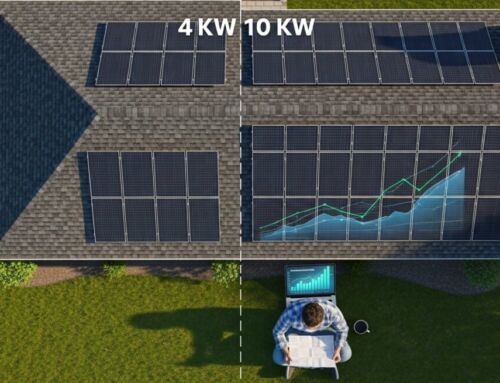
The size of your solar system is the biggest factor in cost. Larger systems that generate more electricity require more panels and a bigger inverter, which increases the price. The quality of equipment also matters,premium panels and microinverters cost more upfront but deliver better performance and longer warranties.
Installation complexity adds to the cost as well. A simple roof with easy access and standard shingles is cheaper to work on than a steep tile roof or a complex multi-story home. Local incentives and solar renewable energy certificates can reduce your net cost by thousands of dollars, so it pays to research what is available in your area.
The cost of solar installation varies depending on your home and energy needs. Request personalized solar quotes or call to see what options are available.
Tips for Choosing a Reliable Solar Installer
Selecting the right installer is one of the most important decisions you will make. Look for a company with a proven track record, proper licensing, and strong customer reviews. A reliable installer will walk you through the entire process, answer your questions honestly, and provide a transparent contract with no hidden fees.
Warranties matter as much as price. The best solar panels come with 25-year performance warranties, and reputable installers back their workmanship with a separate labor warranty. Always ask about how the company handles maintenance and repairs down the road.
- Verify the installer is licensed, bonded, and insured in your state.
- Read recent customer reviews on Google, Yelp, or the Better Business Bureau.
- Ask about equipment warranties and workmanship guarantees.
- Get at least three detailed quotes and compare them side by side.
- Confirm the installer handles all permits and utility approvals.
- Check if the company offers monitoring services for your system.
Long-Term Benefits of Installing Solar Panels
Lower electricity bills are the most immediate and satisfying benefit. Once your system is operational, you start generating your own power and buying less from the utility. Over 20 years, those savings can total tens of thousands of dollars, depending on your energy use and local rates.
Your home value also increases. Studies show that homes with solar panels sell for a premium compared to similar homes without them. Buyers recognize the value of reduced utility costs and energy independence, making your property more attractive on the market.
Beyond finances, solar gives you a measure of energy independence. You become less vulnerable to utility rate hikes and grid outages, especially if you add battery storage. Every kilowatt-hour you generate from the sun also avoids carbon emissions, contributing to a cleaner environment for your family and community.
How Long Does Solar Panel Installation Take for a Typical Home?
For a standard residential system, the physical installation takes one to three days. The entire process from contract to activation usually takes four to eight weeks, with the majority of time spent on permits and utility approvals.
Do I Need to Be Home During Solar Installation?
You do not need to be present for the entire installation, but the crew may need access to your attic or electrical panel. Most homeowners coordinate a brief check-in at the start and end of each day. Your installer will let you know exactly what they need.
Will Solar Panels Work During a Power Outage?
Standard grid-tied solar systems shut off during outages for safety reasons. If you want backup power, you need a battery storage system such as the Tesla Powerwall or Enphase IQ Battery. Your installer can explain the options and costs.
How Much Can I Save on My Electricity Bill with Solar?
Savings depend on your system size, local electricity rates, and how much sun your roof gets. Many homeowners reduce their monthly bill by 50 to 90 percent. Some reach net-zero and pay only the minimum connection fee.
Are There Government Incentives for Solar in 2025?
Yes, the federal solar investment tax credit still offers a 30 percent credit on the total system cost. Many states and utilities also offer additional rebates, performance payments, or tax exemptions. A local installer can help you identify all available incentives.
What Maintenance Do Solar Panels Require?
Solar panels need very little maintenance. Rain usually keeps them clean, but in dusty areas or places with little rainfall, you may need to hose them off once or twice a year. Your inverter and monitoring system alert you if any component needs attention.
Can I Install Solar Panels Myself to Save Money?
DIY solar installation is possible but not recommended for most homeowners. Improper wiring or mounting can create safety hazards, void equipment warranties, and cause problems with permits and utility approval. Professional installation ensures your system is safe, efficient, and eligible for incentives.
How Long Do Solar Panels Actually Last?
Most solar panels carry a 25-year performance warranty, and they often continue producing electricity well beyond that. Many panels still operate at 80 percent or more of their original capacity after 30 years. Inverters may need replacement after 10 to 15 years.
Understanding how long solar installation takes helps you plan your transition to clean energy with confidence. The timeline is manageable, the savings are real, and the process is simpler than most homeowners expect. By comparing quotes from trusted installers, you can find a system that fits your budget and energy goals. Start exploring your options today and take the first step toward lower bills and greater energy independence.