Your monthly electricity bill keeps climbing. You have heard that solar panels can slash those costs, but then a solar company hands you a detailed quote full of numbers, terms, and equipment names. It feels overwhelming. This is exactly why understanding what is solar estimate breakdown matters. When you can decode that document, you gain the power to compare offers confidently, reduce your energy bills, and take a real step toward energy independence.
Understanding What Is Solar Estimate Breakdown
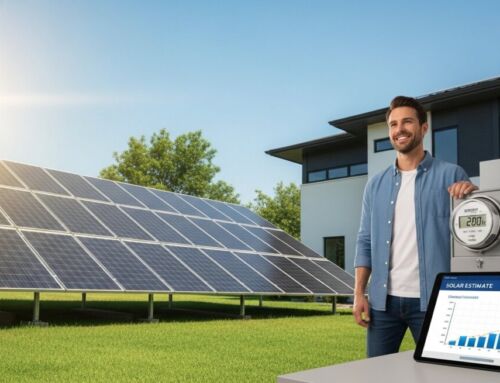
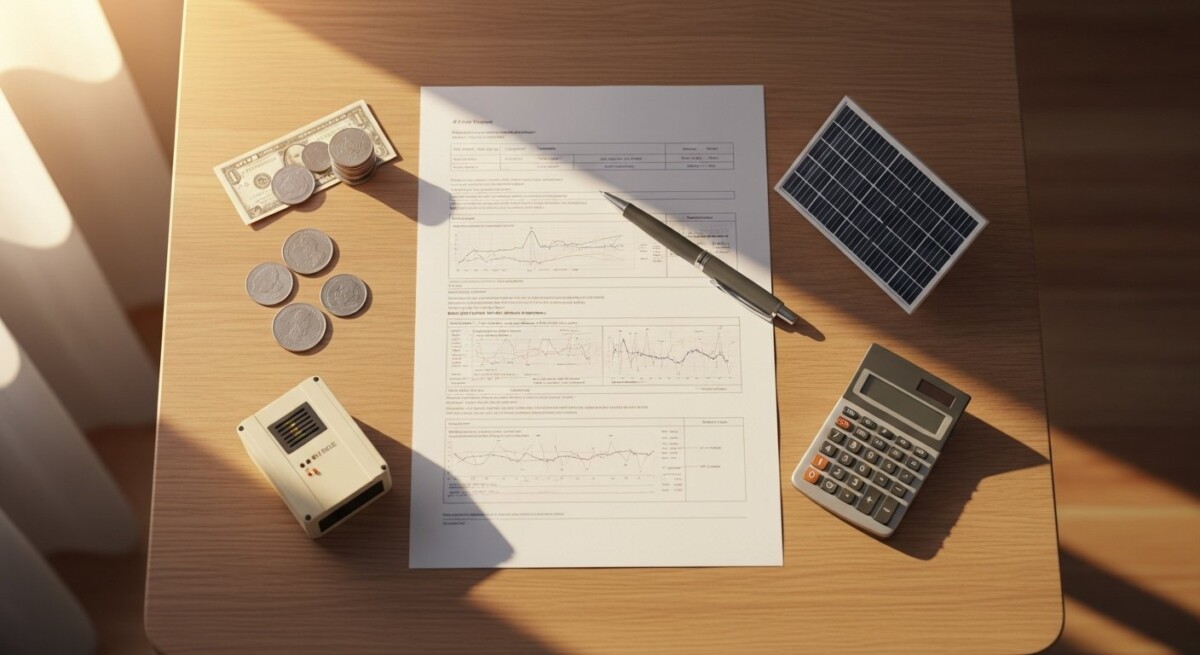
A solar estimate breakdown is simply a detailed list of every part of your proposed solar panel system and its associated costs. It shows you the price of the panels, the inverter, the racking equipment, labor, permits, and any fees or incentives. Think of it as an itemized receipt for your future solar installation.
Instead of seeing a single lump sum, a good breakdown lets you see exactly where your money goes. For example, you might see a line for “Solar Panels , $6,000” and another for “Installation Labor , $2,500.” This transparency helps you compare quotes from different installers on an apples-to-apples basis. Without it, you could easily overpay for lower-quality equipment or miss hidden fees.
More homeowners are requesting these detailed estimates because they want to make informed financial decisions. A clear breakdown also reveals how federal tax credits, state rebates, and net metering policies reduce your net cost. In our guide on estimate solar installation costs with a solar panel cost calculator, we explain how to use these numbers to forecast your long-term savings.
Why Solar Energy Is Becoming More Popular
Electricity rates have risen steadily across the United States, and many homeowners feel the pinch. Solar energy offers a way to lock in a lower, predictable energy cost for decades. By generating your own power, you protect yourself from future rate hikes.
Environmental concerns also drive the shift. Solar power produces clean, renewable energy that reduces your carbon footprint. For families who want to leave a healthier planet for their children, rooftop panels are a tangible step.
Long-term savings remain the biggest motivator. While the upfront cost can seem high, most homeowners recover their investment through lower utility bills within 6 to 10 years. After that, electricity is essentially free for the remaining 20-plus years of the system’s life.
If you are considering solar power for your home, comparing installation quotes can help you understand your options. Request a free solar quote or call to learn more.
Common Questions Homeowners Have About Solar
It is normal to have questions before making a big investment. The most common concerns revolve around cost, installation, and performance. Knowing the answers can ease your mind and help you move forward.
For example, many people worry that their roof is not suitable. In reality, most asphalt shingle roofs in good condition can support solar panels. Other concerns include how weather affects production (solar panels still work on cloudy days) and whether the system will cover all your electricity needs (a properly sized system can offset most or all of your usage).
- How much does a typical residential solar system cost?
- Will solar panels work on my roof type and age?
- How much maintenance do solar panels require?
- What happens during a power outage?
- How long does the installation process take?
- Do I need to replace my roof before installing solar?
How Solar Panel Installation Works
Professional solar installation follows a clear, step-by-step process that ensures your system is safe, efficient, and compliant with local codes. Understanding these steps helps you know what to expect from start to finish.
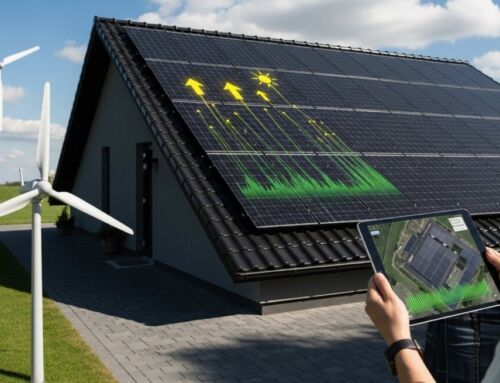
First, an installer visits your home to assess your energy usage, roof condition, and sunlight exposure. They use this data to design a system tailored to your needs. After you approve the design, the installer handles all necessary permits and paperwork.
- Home Energy Assessment: Review your past electric bills and inspect your roof.
- System Design: Create a custom layout for panels and electrical components.
- Permits and Approvals: Submit plans to your city and utility company.
- Panel Installation: Mount racking, install panels, and connect wiring.
- System Activation: Pass final inspection and turn on your solar system.
Speaking with experienced installers can help you determine the best solar solution for your home. Compare solar quotes here or call to explore available options.
Signs Your Home May Be Ideal for Solar
Not every home is perfectly suited for solar, but many are. The best candidates share a few common characteristics that maximize energy production and financial returns. Knowing these signs helps you decide if a solar estimate is worth pursuing.
Homes with south-facing roofs that receive direct sunlight for most of the day produce the most electricity. If you have high monthly electric bills, solar can provide immediate relief. Additionally, if you plan to stay in your home for at least five to seven years, you will fully benefit from the long-term savings.
- Your roof gets at least 4,5 hours of direct sunlight daily.
- Your electricity bills are consistently high.
- You have enough unobstructed roof space (typically 300,500 square feet).
- Your roof is in good condition and less than 10 years old.
- You plan to stay in your home for several more years.
- Your state or utility offers solar incentives or net metering.
What Affects Solar Installation Costs
Solar system prices vary based on several key factors. Understanding these variables helps you evaluate whether a quote is fair and why one installer might charge more than another.
System size is the biggest cost driver,larger systems that produce more electricity cost more upfront. Equipment quality also matters; premium panels and inverters cost more but often come with better warranties and higher efficiency. Installation complexity, such as a steep roof or older electrical panel, can add labor charges.
Local incentives significantly reduce your out-of-pocket cost. The federal Investment Tax Credit (ITC) currently allows you to deduct 30% of your system cost from your taxes. Many states and utilities offer additional rebates or performance-based incentives.
The cost of solar installation varies depending on your home and energy needs. Request personalized solar quotes or call to see what options are available.
Tips for Choosing a Reliable Solar Installer
Finding a trustworthy installer is just as important as choosing the right equipment. A reputable company ensures your system is installed safely, performs as promised, and comes with solid support. Doing a little homework upfront saves headaches later.
Start by checking the installer’s experience and credentials. Look for companies that employ North American Board of Certified Energy Practitioners (NABCEP) certified professionals. Read online reviews on sites like Google, Yelp, and the Better Business Bureau to gauge customer satisfaction.
- Verify the installer’s license and insurance for your state.
- Ask about equipment and workmanship warranties (10,25 years is standard).
- Read recent customer reviews and ask for local references.
- Compare at least three detailed quotes with clear cost breakdowns.
- Confirm the installer handles all permits and utility paperwork.
Long-Term Benefits of Installing Solar Panels
Investing in solar panels delivers rewards that compound over time. The most immediate benefit is lower electricity bills. Many homeowners reduce their monthly energy costs by 50% to 100%, depending on system size and local utility rates.
Solar also increases your home’s resale value. Studies show that homes with solar panels sell for a premium compared to similar homes without them. Buyers are attracted to the promise of reduced utility costs and energy independence.
Beyond financial gains, solar energy reduces your household’s environmental impact. Generating clean electricity from the sun lowers greenhouse gas emissions and decreases reliance on fossil fuels. You gain peace of mind knowing your home contributes to a more sustainable future.
How long does a solar panel system last?
Most solar panels come with a 25-year performance warranty and continue producing electricity well beyond that, often for 30 to 40 years. Inverters may need replacement after 10 to 15 years. Regular maintenance, such as cleaning panels and checking connections, helps maximize lifespan.
Will solar panels work during a blackout?
Standard grid-tied solar systems shut down during a blackout to protect utility workers. If you want backup power, you need a battery storage system like the Tesla Powerwall or Enphase Encharge. Batteries store excess solar energy for use when the grid goes down.
Does solar increase my property taxes?
In most states, solar panel installations are exempt from property tax assessments. That means your home’s value may increase for resale, but your property taxes will not go up because of the solar system. Check your state’s specific laws to confirm.
What happens if I move after installing solar?
If you own your system outright, you can sell your home with the panels included. Many buyers see solar as a valuable upgrade. Alternatively, some homeowners lease their systems, and the lease can be transferred to the new owner with their approval.
How much maintenance do solar panels need?
Solar panels require very little maintenance. Rain usually washes away dust and debris. You may need to clean them once or twice a year in dry or dusty climates. Most installers recommend an annual inspection to ensure all components work correctly.
Can I install solar panels myself to save money?
DIY solar installation is possible but not recommended for most homeowners. It involves electrical work, roof penetrations, and complex permitting. Improper installation can void warranties, create safety hazards, and result in lower energy production. Professional installation ensures safety and optimal performance.
What financing options are available for solar?
Homeowners can purchase solar systems with cash, finance them with a solar loan, or sign a lease or power purchase agreement (PPA). Cash purchases offer the highest long-term savings. Loans let you own the system with little or no money down. Leases and PPAs require no upfront cost but provide lower savings over time.
How do I know if a solar quote is fair?
Compare the cost per watt across multiple quotes. The national average hovers around $2.50 to $3.50 per watt before incentives. Also compare equipment brands, warranty terms, and the installer’s reputation. A detailed solar estimate breakdown makes this comparison straightforward.
Understanding what is solar estimate breakdown empowers you to make a confident, informed decision about clean energy for your home. By comparing multiple itemized quotes, you can choose a system that fits your budget, meets your energy needs, and delivers long-term savings. Take the next step today and explore your solar options with trusted professionals.