You open your monthly electricity bill and feel a familiar pang of frustration. Rates keep climbing, and you wonder if there is a way to take control of your energy costs. This is exactly why so many homeowners are searching for what is solar inverter function and how solar power can help them reduce their electricity bills.
Solar energy offers a practical path toward lower monthly expenses and greater energy independence. Instead of relying entirely on the power grid, you can generate your own electricity from the sun. But the technology behind it can feel confusing at first , especially the role of the solar inverter.
Understanding what is solar inverter function is the first step to making an informed decision about solar panel installation. Let’s break it down in simple terms so you can see how this key component turns sunlight into savings.
Understanding what is solar inverter function
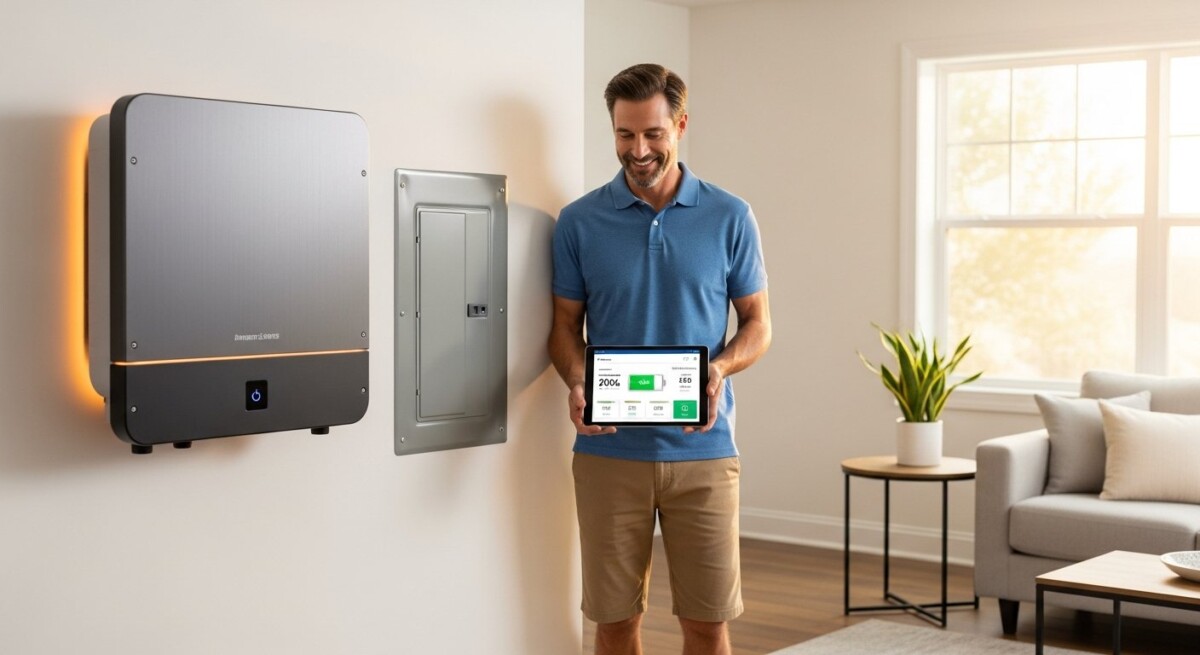
A solar inverter is the brain of your solar panel system. Its main job is to convert the direct current (DC) electricity produced by your solar panels into alternating current (AC) electricity that your home can actually use. Most household appliances run on AC power, so without an inverter, the electricity from your panels would be useless.
Think of it as a translator. Your solar panels speak one language (DC), and your home speaks another (AC). The inverter bridges that gap, making solar energy practical for everyday use. It also monitors system performance and communicates with the grid when needed.
Beyond conversion, the inverter plays a safety role. It automatically shuts down the system if it detects a problem, such as a grid outage or electrical fault. This protects both your home and the utility workers repairing the lines. For these reasons, choosing the right inverter is just as important as selecting the panels themselves.
Types of solar inverters
There are three main types of inverters: string inverters, microinverters, and power optimizers. String inverters are the most common and cost-effective, connecting a series of panels to a single unit. Microinverters attach to each panel individually, which can improve performance in shaded or complex roof layouts.
Power optimizers work like a hybrid , they are installed at each panel but still send power to a string inverter. A professional installer can help you decide which type fits your home’s roof, budget, and energy goals. Each option has trade-offs in efficiency, cost, and maintenance.
Why Solar Energy Is Becoming More Popular
Rising electricity prices are pushing more homeowners to explore solar power. According to the U.S. Energy Information Administration, residential electricity rates have increased steadily over the past decade. Solar offers a way to lock in lower energy costs and protect yourself from future rate hikes.
Environmental concerns also play a big role. Solar energy produces no greenhouse gas emissions during operation, making it one of the cleanest energy sources available. Many homeowners feel good about reducing their carbon footprint while saving money at the same time.
Long-term savings are the biggest draw. Although solar panels require an upfront investment, they can reduce or even eliminate your monthly electricity bill over time. Combined with federal tax credits and state rebates, the financial case for solar has never been stronger. If you are considering solar power for your home, comparing installation quotes can help you understand your options. Request a free solar quote or call to learn more.
Common Questions Homeowners Have About Solar
Many homeowners worry about the upfront cost of solar installation. A typical residential system can range from $10,000 to $30,000 before incentives, but financing options and tax credits can make it more affordable. Most installers offer free consultations to provide a tailored estimate.
Roof suitability is another frequent concern. Solar panels work best on roofs with good sun exposure, minimal shading, and enough structural strength. A professional assessment can determine if your roof is a good fit or if minor modifications are needed.
System performance and maintenance also come up often. Solar panels require very little upkeep , just occasional cleaning and monitoring through the inverter’s app. Most systems come with 25-year performance warranties, giving you peace of mind.
- How much does a solar system cost after incentives?
- Will my roof support solar panels?
- How long will it take to see savings on my electricity bill?
- What happens during a power outage?
- Do I need to clean my solar panels regularly?
- How do I find a trustworthy installer?
How Solar Panel Installation Works
The installation process begins with a home energy assessment. A certified installer reviews your electricity usage, roof condition, and sunlight exposure to design a system that meets your needs. This step ensures you get the right size and configuration for maximum savings.
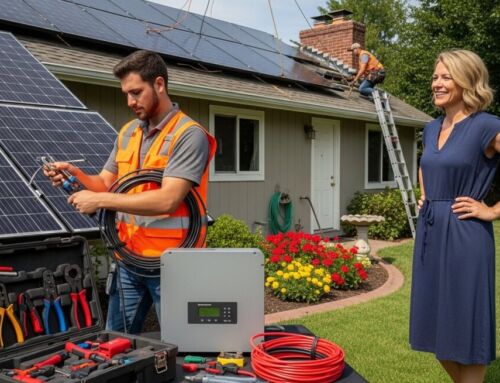
Once the design is complete, the installer handles permits and approvals with your local utility and building department. This paperwork can be complex, which is why working with a professional saves time and prevents costly mistakes. After approvals, the actual installation typically takes one to three days.
The final step is system activation and grid connection. The installer tests everything, turns on the inverter, and shows you how to monitor your energy production. From there, you start generating clean electricity and watching your meter spin backward.
- Home energy assessment
- System design and equipment selection
- Permits and approvals
- Panel and inverter installation
- System activation and grid connection
Speaking with experienced installers can help you determine the best solar solution for your home. Compare solar quotes here or call to explore available options.
Signs Your Home May Be Ideal for Solar
Not every home is equally suited for solar panels, but many are. If your roof faces south or west and receives direct sunlight for most of the day, you have a strong candidate. Shade from trees or nearby buildings can reduce output, but modern inverters can help mitigate that.
High electricity bills are another clear sign. If you pay more than $100 per month on average, solar can likely save you money over time. Homes with electric heating or air conditioning tend to benefit even more because they use more power during sunny hours.
Long-term homeownership also matters. Solar panels typically pay for themselves within 6 to 10 years, so staying in your home for at least that long maximizes your return on investment. If you plan to sell, solar can increase your home’s resale value.
- Strong sunlight exposure on your roof
- Monthly electricity bills above $100
- Suitable roof space with minimal shading
- Plans to stay in your home for 5+ years
- A roof in good condition (less than 10 years old)
- Interest in understanding potential drawbacks of solar energy before committing
What Affects Solar Installation Costs
System size is the biggest cost factor. Larger systems that generate more electricity cost more upfront but also produce greater savings. A typical home needs a 5 kW to 10 kW system, depending on usage and roof space.
Equipment quality also matters. Premium panels and inverters come with longer warranties and higher efficiency, which can justify a higher price. However, budget-friendly options can still deliver solid performance for most homes.
Installation complexity can add to the cost. Roofs with steep slopes, multiple angles, or difficult access require more labor. Local incentives and rebates can offset these costs significantly, so it pays to research what is available in your area.
The cost of solar installation varies depending on your home and energy needs. Request personalized solar quotes or call to see what options are available.
Tips for Choosing a Reliable Solar Installer
Start by checking the installer’s experience and certifications. Look for companies with NABCEP (North American Board of Certified Energy Practitioners) certification and several years in business. A proven track record reduces your risk of poor installation or future issues.
Read customer reviews on platforms like Google, Yelp, and the Better Business Bureau. Pay attention to feedback about communication, timeliness, and post-installation support. A few negative reviews are normal, but patterns of complaints should raise red flags.
Always get multiple quotes before making a decision. Comparing proposals from at least three installers helps you see price differences, equipment options, and warranty terms side by side. This step alone can save you thousands of dollars.
- Verify installer certifications and insurance
- Request detailed written quotes from multiple companies
- Read recent customer reviews and ask for references
- Compare warranty coverage on panels, inverters, and labor
- Ask about financing options and available incentives
Long-Term Benefits of Installing Solar Panels
The most immediate benefit is lower electricity bills. Once your system is paid off, the electricity it generates is essentially free. Over 25 years, the average homeowner saves between $20,000 and $50,000, depending on local rates and system size.
Solar panels also increase your home’s value. Studies show that homes with solar sell for about 4% more than comparable homes without it. Buyers appreciate the promise of lower utility costs, making your property more attractive on the market.
Energy independence is another powerful advantage. By generating your own power, you reduce reliance on the grid and protect yourself from rising rates. Combined with environmental benefits and available government incentives, solar is one of the smartest home investments you can make.
Frequently Asked Questions
What is the main function of a solar inverter?
The main function of a solar inverter is to convert the direct current (DC) electricity produced by solar panels into alternating current (AC) electricity that your home appliances can use. It also monitors system performance and ensures safe operation by shutting down during faults or grid outages.
How long does a solar inverter last?
Most solar inverters last between 10 and 15 years, depending on the type and environmental conditions. String inverters typically need replacement sooner than microinverters, which can last 20 to 25 years. Many manufacturers offer 10-year warranties, with extended options available.
Can a solar inverter work without batteries?
Yes, a standard grid-tied solar inverter works perfectly without batteries. It sends excess electricity back to the utility grid, and you draw power from the grid when your panels aren’t producing. Battery storage is optional and adds backup capability during outages.
What happens to solar power when the inverter fails?
When the inverter fails, your solar panels stop producing usable electricity for your home. The system will show an error on your monitoring app, and you will need a professional to diagnose and repair or replace the unit. Regular maintenance can help catch issues early.
Do I need a special inverter for a small solar setup?
Small solar setups, like those for a single appliance or a tiny home, often use microinverters or small string inverters. The key is matching the inverter’s capacity to your panel wattage. A professional installer can recommend the right size for your specific needs.
How does a solar inverter help reduce electricity bills?
A solar inverter allows your home to use the clean electricity generated by your panels instead of buying power from the grid. This directly reduces your monthly electricity bill. In many areas, you can also earn credits for excess power sent back to the grid through net metering.
Are there government incentives for solar inverters?
Yes, the federal solar tax credit (Investment Tax Credit) covers the cost of solar inverters as part of a complete system. Many states also offer rebates or performance-based incentives. Check the Database of State Incentives for Renewables & Efficiency (DSIRE) for your local options.
Can I install a solar inverter myself?
While technically possible, DIY installation is not recommended for grid-tied systems. Inverters require proper wiring, permits, and utility approval to ensure safety and compliance. Professional installation protects your warranty and avoids costly mistakes that could void insurance coverage.
Understanding what is solar inverter function is just the beginning of your solar journey. The real reward comes from turning that knowledge into action , reducing your electricity bills, gaining energy independence, and contributing to a cleaner environment. If you are curious about smaller solar applications, our guide on 20W solar panels can help. To find the best system for your home, start by comparing quotes from certified installers in your area.