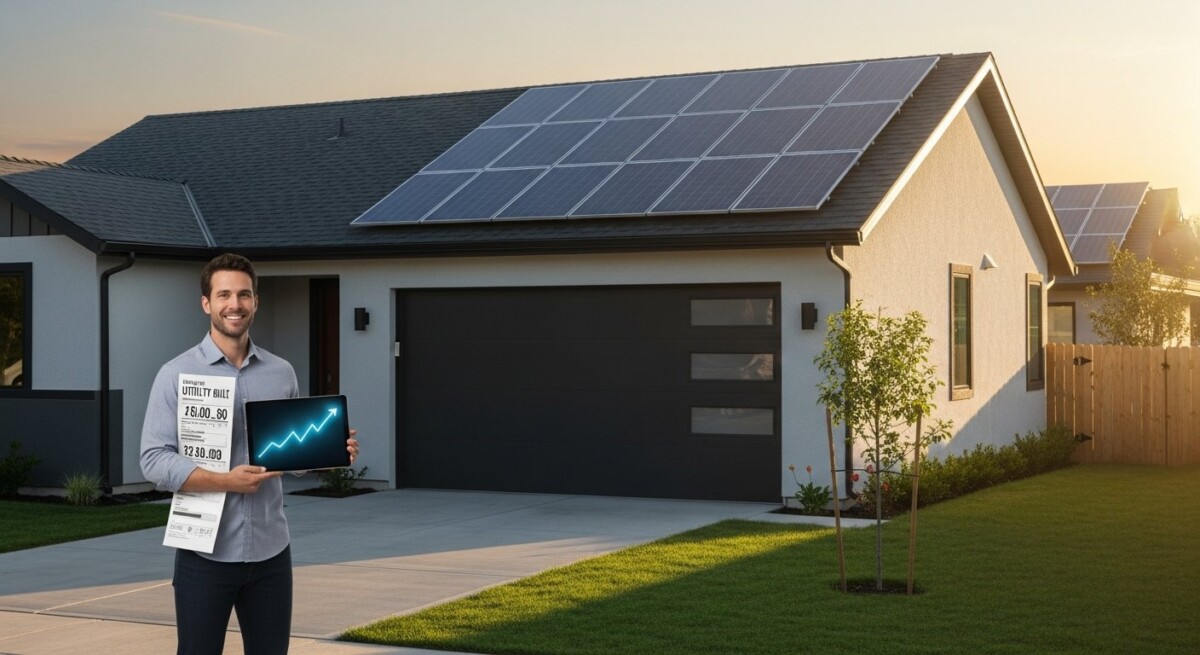
Have you watched your electricity bill climb higher each month? You’re not alone. Many homeowners are searching for ways to reduce their energy costs and gain independence from the unpredictable power grid. Understanding solar panel efficiency explained in simple terms is a powerful first step toward achieving significant long-term savings and a more sustainable home.
Understanding Solar Panel Efficiency Explained
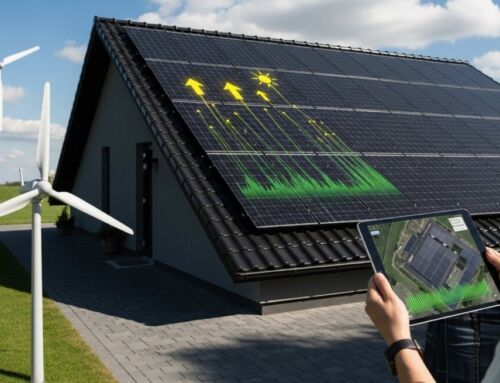
Solar panel efficiency is simply a measure of how well a panel converts sunlight into usable electricity. Think of it like the fuel mileage for your car. A more efficient panel will generate more power from the same amount of sunlight hitting your roof compared to a less efficient one.
This percentage is crucial because it directly impacts how many panels you need and how much energy your system produces. By choosing panels with good efficiency, you can maximize your roof space and generate more electricity, leading to greater savings on your utility bills.
How Is Efficiency Measured?
Efficiency is tested under standard laboratory conditions. It represents the percentage of sunlight energy that hits the panel and is converted into electrical energy. Modern residential panels typically range from about 18% to over 22% efficiency.
Why Solar Energy Is Becoming More Popular
Homeowners are turning to solar power for several compelling reasons. First, electricity prices continue to rise, making a fixed-cost solar system an attractive financial shield. Once your system is installed, a large portion of your energy costs becomes predictable and stable for decades.
Beyond the wallet, there’s a strong desire to reduce environmental impact. Solar energy is clean, renewable, and reduces your household’s carbon footprint. Combined with long-term savings and increasing system affordability, it’s a practical choice for forward-thinking homeowners.
If you are considering solar power for your home, comparing installation quotes can help you understand your options. Request a free solar quote or call to learn more.
Common Questions Homeowners Have About Solar
It’s normal to have questions before making such a significant home investment. Many wonder about the upfront cost, which can be offset by financing, government incentives, and the rapid payback from slashed electric bills. Others are concerned about their roof’s suitability or what happens on cloudy days.
A professional installer can address all these concerns with a detailed assessment of your home. Modern systems are designed to perform well in various weather conditions and can be tailored to fit different roof types and orientations.
- How much do solar panels cost, and what are the financing options?
- Is my roof suitable for solar panels?
- Will solar panels work when it’s cloudy or during winter?
- How long do solar panels last, and what maintenance is required?
- What happens if I sell my house?
- How do I know what size system I need?
How Solar Panel Installation Works
The installation process is straightforward when handled by qualified professionals. It begins with a comprehensive evaluation of your energy usage and your home’s solar potential. This ensures your system is perfectly sized to meet your needs.
From there, the installer handles the design, permits, and paperwork, making the process smooth for you. The physical installation is usually quick, followed by inspections and connection to the grid, a process known as “interconnection.”
- Home Energy Assessment & Consultation: Review your bills and evaluate your roof.
- System Design & Proposal: Receive a custom system layout and financial analysis.
- Permits & Approvals: Your installer secures necessary permits from your city and utility.
- Panel & Equipment Installation: Mounting, electrical work, and inverter setup.
- Inspections & Activation: Final approvals and flipping the switch to start generating power.
Speaking with experienced installers can help you determine the best solar solution for your home. Compare solar quotes here or call to explore available options.
Signs Your Home May Be Ideal for Solar
Certain home characteristics make solar panels particularly effective and financially rewarding. The most obvious is a roof that gets plenty of direct sunlight throughout the day, with minimal shading from trees or other structures.
If you have high monthly electricity bills, solar can offer substantial relief. Homeowners who plan to stay in their homes for several years are perfectly positioned to reap the full financial benefits of their investment as savings accumulate over time.
- Your roof faces south, east, or west with good sun exposure.
- You pay high monthly electricity bills.
- You have a suitable, unshaded roof area (often 200+ square feet).
- You plan to own your home for 5+ years.
- Your local utility has net metering or other favorable policies.
- You are interested in increasing your home’s value and appeal.
What Affects Solar Installation Costs
The total cost of your solar system depends on several key factors. The size of the system, measured in kilowatts (kW), is the primary driver,more panels mean more power and a higher initial cost. The quality and efficiency of the equipment you choose also play a significant role.
Installation complexity, such as roof type and pitch, can influence labor costs. Crucially, available government incentives, like the federal solar tax credit, and local rebates can dramatically reduce your net cost, making solar more accessible than ever. For example, understanding the physical space required is important; our guide on 250 W solar panel dimensions and layout can help you visualize how panels fit on a roof.
The cost of solar installation varies depending on your home and energy needs. Request personalized solar quotes or call to see what options are available.
Tips for Choosing a Reliable Solar Installer
Selecting the right installer is as important as choosing the right equipment. A reputable company will ensure your system is designed correctly, installed safely, and performs optimally for years to come. They are your partner in navigating incentives and warranties.
Always get multiple quotes to compare pricing, equipment brands, and service offerings. This due diligence helps you find the best value and avoid costly mistakes, ensuring your solar investment is sound from day one.
- Check for proper licensing, insurance, and certifications (like NABCEP).
- Read customer reviews and ask for local references.
- Compare warranties on both equipment and workmanship.
- Ensure they handle the entire permit and interconnection process.
- Get detailed, written proposals from at least three different companies.
Long-Term Benefits of Installing Solar Panels
The long-term advantages of going solar extend far beyond the first year of savings. You effectively lock in a lower, predictable rate for your electricity for the 25+ year life of the system, protecting yourself from future utility rate hikes. This leads to substantial financial savings over decades.
Solar panels also increase your property value and make your home more attractive to eco-conscious buyers. Perhaps most rewarding is the knowledge that you’re generating clean energy, reducing reliance on fossil fuels, and gaining a meaningful degree of energy independence for your household.
FAQs
What is a good solar panel efficiency percentage?
For residential installations, panels with efficiency ratings between 19% and 22% are considered very good and widely available. Higher efficiency panels produce more power in limited space but may cost more. A professional can help you find the right balance of efficiency and value for your specific roof.
How much can I really save with solar panels?
Savings depend on your local electricity rates, system size, and sunlight. Many homeowners save 50% to 100% on their electricity bills. Over 20 years, total savings often reach tens of thousands of dollars, especially when you factor in rising utility costs.
Are there government incentives for solar?
Yes. The federal government offers a significant tax credit that directly reduces your income tax liability. Many states and local utilities also offer additional rebates, tax exemptions, or performance-based incentives. Your installer should provide a full breakdown of all available savings.
Do solar panels require a lot of maintenance?
Solar panels require very little maintenance. Occasional cleaning with water to remove dust, pollen, or debris is usually sufficient to keep them performing well. Most systems include monitoring, so you can easily see their output and ensure they are working properly.
What happens to solar power when the grid goes down?
Standard grid-tied systems automatically shut off for safety during a power outage. To have power during an outage, you need a solar battery storage system. Batteries store excess energy for use at night or during emergencies, enhancing your energy independence. For specialized applications, you can explore options like a 100 watt flex solar panel for off-grid efficiency.
How long does a solar panel system last?
High-quality solar panels are very durable and typically come with a 25-year performance warranty guaranteeing they will still produce at a high percentage of their original output. The inverters may need replacement once during the system’s lifespan, but the overall investment is designed for long-term performance.
Understanding solar panel efficiency is the key to unlocking a future of lower energy bills and greater energy independence. By making an informed decision and comparing quotes from trusted local installers, you can confidently invest in a system that meets your needs and starts saving you money for years to come.