You’ve made the smart decision to invest in solar panels, excited about slashing your electricity bills and gaining energy independence. But a nagging worry might linger: what happens if those panels on your roof stop working? It’s a common and valid concern for any homeowner considering this long-term investment. Understanding the answers not only brings peace of mind but also highlights how modern solar technology and professional installation are designed to protect your savings for decades.
Understanding What Happens If Solar Panels Stop Working
The phrase “stop working” can mean different things in the world of solar. Rarely does an entire system fail at once. Instead, issues are usually isolated, and your system has built-in safeguards.
Most often, a single panel or a component like the inverter might underperform or fail. When this happens, your system is designed to continue producing energy with the remaining functional panels. Your monitoring app will typically alert you to a significant drop in production, so you’re not left in the dark.
The key to handling any issue is the robust warranty and support structure that comes with a quality installation. Reputable installers provide long-term performance guarantees and workmanship warranties, ensuring you have a clear path to a solution without unexpected costs.
How System Monitoring Keeps You Informed
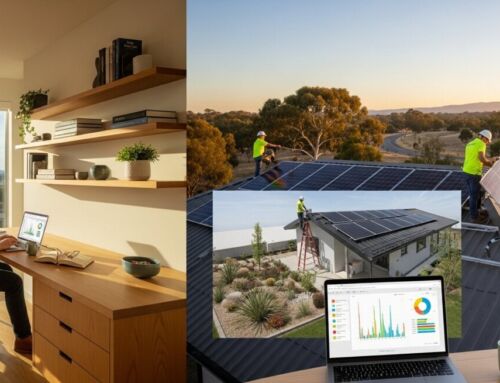
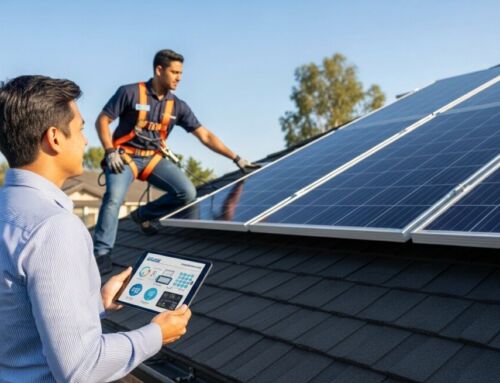
Modern solar systems include detailed monitoring. This technology allows you and your installer to track energy production in real-time. A sudden dip in output is a clear signal that something may need attention, long before you see it on your utility bill.
Why Solar Energy Is Becoming More Popular
Homeowners are turning to solar power at a record pace, driven first and foremost by rising electricity costs. Utility rates have a history of increasing, making a fixed-cost solar system a powerful financial shield. By generating your own power, you lock in a lower energy rate for 25 years or more.
Beyond the compelling economics, there’s a strong desire for energy independence and environmental stewardship. Solar power allows you to take control of where your electricity comes from, reducing reliance on the traditional grid and decreasing your household’s carbon footprint significantly.
Generous government incentives, like the federal solar tax credit, make the initial investment more accessible than ever. These incentives, combined with long-term savings, create a win-win scenario for your wallet and the planet.
If you are considering solar power for your home, comparing installation quotes can help you understand your options. Request a free solar quote or call to learn more.
Common Questions Homeowners Have About Solar
It’s natural to have questions before making a significant home upgrade. Addressing these concerns upfront is part of a trustworthy installer’s process. The most common questions revolve around cost, reliability, and the practicalities of installation.
Homeowners want to know if their investment is safe and how it will perform over time. They also seek clarity on how their specific home factors, like roof type or local weather, will impact the system. A professional consultation answers all these questions with data specific to your property.
- What is the total cost, and what financing options are available?
- Is my roof suitable, and what if it needs repairs?
- How much will I really save on my electricity bills?
- What happens during a power outage or bad weather?
- How do I know if my system is performing correctly?
- What are the warranty terms for equipment and workmanship?
How Solar Panel Installation Works
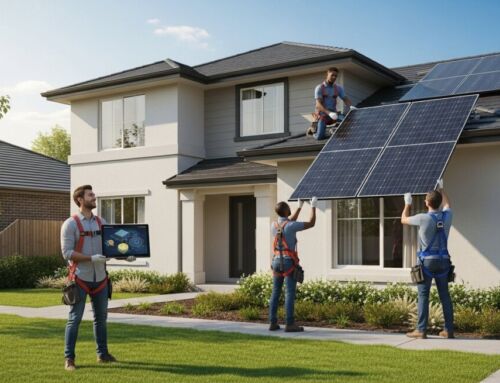
A professional solar installation is a streamlined process designed for minimal hassle. It begins with a detailed assessment of your home’s energy needs and physical characteristics. This ensures the system is perfectly tailored to maximize your savings.
The installer handles all the complex steps, from engineering design and securing local permits to the physical installation and final inspections. Your role is straightforward: approve the design, and let the experts do their work to transform your home into a clean energy powerhouse.
- Home Energy Assessment & Consultation: Review your energy bills, evaluate your roof, and discuss your goals.
- Custom System Design: Engineers create a plan to optimize panel placement for maximum sunlight.
- Permits & Approvals: Your installer secures all necessary permits from your city and utility company.
- Panel Installation: The racking, panels, and inverter are installed, typically in one to three days.
- System Activation & Inspection: After a final inspection, your system is connected to the grid and turned on.
Speaking with experienced installers can help you determine the best solar solution for your home. Compare solar quotes here or call to explore available options.
Signs Your Home May Be Ideal for Solar
While many homes are excellent candidates for solar, certain factors can maximize your benefits. The most important ingredient is access to sunlight. A roof with clear, unobstructed exposure to the south, east, or west is prime real estate for solar panels.
Your current energy consumption is another key indicator. If you have high electricity bills, you have more potential savings to capture with a solar system. The combination of good sun exposure and high usage creates the fastest return on investment.
- Your roof receives direct sunlight for most of the day, with minimal shading from trees or chimneys.
- You pay high monthly electricity bills, indicating strong potential for savings.
- You have a suitable roof with enough space and in good structural condition.
- You plan to own your home for the next several years to reap the long-term financial benefits.
- Your local utility offers net metering, crediting you for excess power you send to the grid.
- You are interested in increasing your property value and reducing your environmental impact.
What Affects Solar Installation Costs
The final price of your solar system depends on several key factors. The primary driver is the size of the system, measured in kilowatts (kW), which is determined by your home’s energy consumption. A larger system to power a big home will cost more than a smaller one.
Equipment quality and installation complexity also play major roles. Premium, high-efficiency panels and inverters may have a higher upfront cost but can produce more energy over time. Roof pitch, material, and any necessary electrical upgrades can influence the labor involved.
Critically, available incentives dramatically reduce the net cost. The federal tax credit, along with any state or local rebates, can slash the upfront investment by 30% or more, making solar far more affordable than many homeowners realize.
The cost of solar installation varies depending on your home and energy needs. Request personalized solar quotes or call to see what options are available.
Tips for Choosing a Reliable Solar Installer
Your installer is your long-term partner in solar energy, so choosing a reputable company is crucial. Look for established companies with a proven track record in your community. They should have the experience to navigate local regulations and ensure a flawless installation.
Always review the warranties offered. A strong installer will back their workmanship for at least 10 years and provide clear information on the manufacturer warranties for panels and inverters, which often last 25 years. This is your ultimate protection if something were to go wrong.
- Check for proper licensing, insurance, and certifications (like NABCEP).
- Read verified customer reviews and ask for local references.
- Review multiple detailed quotes to compare equipment, costs, and projected savings.
- Ensure they offer robust monitoring and clear post-installation support.
- Ask who will perform the installation,subcontractors or in-house crews.
- Understand the full warranty coverage for both equipment and labor.
Long-Term Benefits of Installing Solar Panels
The most immediate and compelling benefit is dramatic savings on your electricity bills. By generating your own power, you protect yourself from rising utility rates for decades. Over the system’s lifetime, this can translate to tens of thousands of dollars in savings.
Solar panels also increase your home’s market value and appeal to future buyers. Studies consistently show homes with solar sell faster and for a premium. Furthermore, you gain a tangible sense of energy independence and contribute directly to a cleaner environment by reducing fossil fuel reliance.
With minimal maintenance required and performance guaranteed by warranties, solar is a truly hassle-free investment that pays you back year after year. It’s a practical upgrade that secures your financial future while making a positive impact.
What If My Solar Panels Get Covered in Snow or Shaded?
It’s a common myth that solar panels don’t work in winter or partial shade. While production can decrease slightly, modern systems are highly efficient. Solar panels work effectively in winter, and snow often melts quickly off their smooth, angled surface. For shading concerns, installers use technologies like microinverters to minimize the impact of shade on the whole system’s output.
How Can I Tell If My Solar System Is Underperforming?
You don’t have to guess about your system’s health. Your monitoring software provides daily and historical production data. Knowing your solar panels are working is as simple as checking an app. A significant, unexplained drop in production is a sign to contact your installer, who can diagnose whether it’s a simple fix or requires service.
Do Solar Panels Require a Lot of Maintenance?
Solar panels are remarkably low-maintenance. With no moving parts, they are designed to withstand the elements for decades. Occasional cleaning with water to remove heavy dust or debris is usually all that’s needed. Your installer can advise on any specific care for your local environment.
What Happens During a Power Outage?
Standard grid-tied solar systems automatically shut off during a blackout for safety reasons, to protect utility workers. To have power during an outage, you need a solar battery storage system. This addition stores excess energy for use anytime, providing true backup power and further increasing your energy independence.
How Long Do Solar Panels Last?
Solar panels are built for longevity. Most manufacturers guarantee their panels will still produce at least 80-85% of their original output after 25 to 30 years. The system will likely continue generating significant electricity well beyond that warranty period, making it a multi-decade source of savings.
Will Solar Panels Damage My Roof?
Professional installers do not damage your roof. In fact, the mounting system protects your roof by creating a sealed barrier. A reputable installer will first assess your roof’s condition and recommend any repairs needed before installation, ensuring the roof is in good shape to support the system.
What Is Net Metering and How Does It Work?
Net metering is a crucial billing arrangement with your utility. When your panels produce more electricity than you use, the excess is sent to the grid, and your meter runs backward, giving you a credit. At night or on cloudy days, you draw power from the grid, using those credits. It effectively uses the grid as a “battery.”
Are There Financing Options Available for Solar?
Yes, homeowners have several flexible options. You can purchase the system outright for the highest long-term savings, take out a solar loan with low monthly payments often lower than your old electric bill, or enter a lease or Power Purchase Agreement (PPA). A qualified installer can explain the pros and cons of each.
Understanding what happens if a solar panel issue arises empowers you to make a confident decision. With robust warranties, reliable monitoring, and professional installers, your investment is well-protected. The path to lower bills, energy independence, and a cleaner future starts with gathering the right information. Take the next step by comparing detailed quotes from trusted local professionals to see exactly how solar can work for your home.