
Solar Panel Recycling: State Rules and Disposal Options
Understand solar panel recycling state regulations and disposal options. Call (833)-212-3715 for expert guidance on responsible decommissioning.

By Alex Carter
Learn more about Solar Panel Installation and Repair for guides, costs, and what to expect.
Compare Solar Panel Installation and Repair Pros Near You

Enter your ZIP code to compare top-rated local professionals and request free quotes.
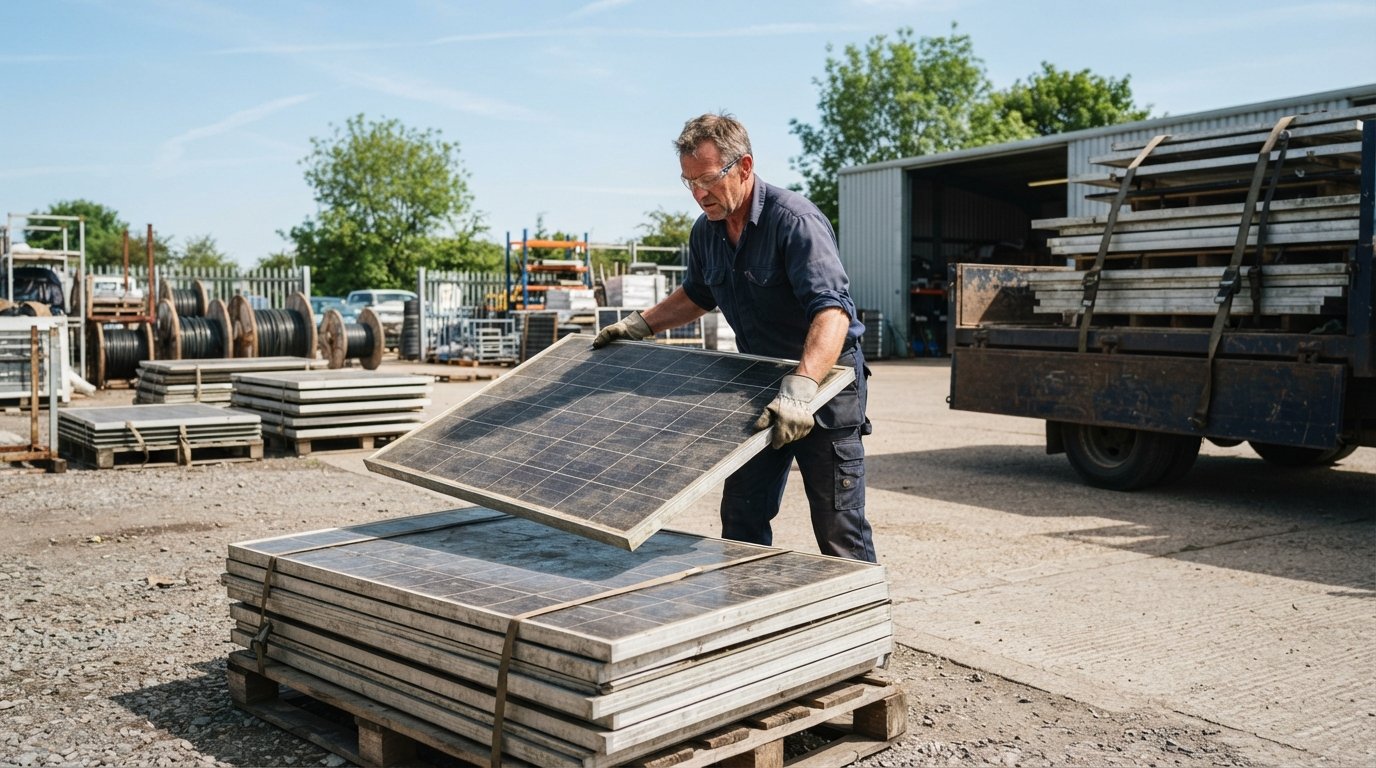
Your solar panels can last 25 to 30 years, but they do not last forever. When the time comes to replace them, upgrade your system, or remove a damaged array, you face a question many homeowners never consider: what happens to the old panels? Tossing them in a dumpster is rarely legal and never responsible. Solar modules contain valuable materials like glass, aluminum, copper, and silicon, plus small amounts of heavy metals that should not leach into landfills. The rules for disposal vary dramatically from state to state, and the recycling infrastructure is still maturing. This guide cuts through the confusion so you can plan a decommissioning that is legal, cost-effective, and environmentally sound.
Why Solar Panel Disposal Is a Growing Challenge
The first wave of residential solar installations from the early 2000s is now reaching retirement age. At the same time, utilities and businesses are repowering older solar farms with more efficient modules. The result is a rapidly growing stream of end-of-life photovoltaic (PV) panels. The U.S. currently lacks a federal mandate for solar panel recycling, so the responsibility falls to state and local governments, and to system owners like you.
Landfills are not an ideal destination for solar panels. While modern panels are generally considered non-hazardous under federal rules, they take up significant space and contain materials that could be recovered. Some states have moved to ban panels from landfills altogether, while others are considering extended producer responsibility (EPR) laws that would require manufacturers to fund recycling. As a system owner, understanding these emerging rules helps you avoid fines and dispose of your panels responsibly.
The good news is that recycling technology has improved. Dedicated PV recyclers can now recover over 90% of a panel's weight, including glass, aluminum, copper, and precious metals like silver. The challenge is getting the panels to those facilities, which is why state regulations and local programs matter so much.
State-Level Solar Panel Regulations: What You Need to Know
As of 2026, no two states treat solar panel disposal exactly the same. Some have enacted outright landfill bans, others have passed EPR laws, and many still have no specific rules, meaning panels fall under general solid waste regulations. Here is a summary of the key approaches you will encounter.
Landfill Bans and Disposal Restrictions
A handful of states have banned solar panels from entering municipal solid waste landfills. These bans are typically enforced at the point of disposal, so haulers and transfer stations will reject loads containing panels. If you live in a state with a ban, you must use a recycling or specialized disposal program. Examples include:
- California: Panels are classified as universal waste, which prohibits landfill disposal and requires takeback or recycling.
- Washington: A landfill ban for PV modules took effect in 2025, with more restrictions phasing in.
- New York: Some counties have instituted their own bans, and the state is studying EPR legislation.
These bans are spreading. Even if your state does not currently restrict landfill disposal, local ordinances or transfer station policies may. Always check with your county waste department before hauling panels to the dump.
Extended Producer Responsibility (EPR) Laws
EPR laws shift the cost of recycling from taxpayers to manufacturers. Under an EPR program, panel producers must fund a collection and recycling network, often through a stewardship organization. As of 2026, a few states have passed solar EPR legislation, and more are expected to follow. If you live in an EPR state, you may be able to drop off old panels at no cost through a manufacturer-sponsored program. The details vary, so consult your state environmental agency for the current list of participating brands and drop-off sites.
Universal Waste and Hazardous Waste Rules
Some states classify solar panels as universal waste, a category designed for items like batteries and fluorescent bulbs that are common but require special handling. Universal waste rules streamline recycling and prohibit landfill disposal. California is the most prominent example, but other states are evaluating similar designations. If your panels are deemed hazardous waste (rare for modern panels but possible for older or damaged units), you must use a permitted hazardous waste facility, which can be expensive. Always test or consult a professional if you suspect your panels contain hazardous materials.
Because regulations are evolving quickly, the best first step is to contact your state environmental protection agency or visit its website. Many now have dedicated solar panel disposal pages. For a broader look at how incentives and rules vary by location, see our solar panel selection tool for state-specific guidance.
What Materials Are Recoverable and Who Pays for Decommissioning?
Solar panels are a treasure trove of materials. A typical crystalline silicon module contains roughly 75% glass, 10% aluminum, 5% silicon, and small amounts of copper, silver, and other metals. Recycling separates these streams so they can be reused in new products. The glass can become new glass, the aluminum goes to smelters, and the silicon can be refined for new panels or other electronics.
Who pays for decommissioning? In most cases, the system owner does. If your panels are still under warranty or lease, the manufacturer or leasing company may cover removal and recycling. For owned systems, you are responsible for the cost, which can range from $200 to $600 per panel for removal and recycling, depending on your location and the recycler. Some installers offer takeback programs when you purchase a new system, effectively bundling the disposal cost into the upgrade. EPR programs, where they exist, shift the cost to manufacturers.
It is smart to plan for decommissioning costs when you first install solar. A reputable installer can include a removal and recycling clause in your contract, giving you a fixed price for future disposal. If you are already facing decommissioning, get quotes from multiple recyclers and ask about any state or utility rebates for recycling.
Comparing Recycling Options: Installer Takeback, Specialty Recyclers, and Hazardous Waste Programs
You have three main pathways for recycling or disposing of old solar panels. Each has trade-offs in cost, convenience, and environmental impact.
- Installer takeback: Many solar installation companies now offer to remove and recycle your old panels when they install a new system. This is the most convenient option because the installer handles everything. The cost is often rolled into the project, and you get a single point of contact. However, not all installers offer this, and the recycler they use may not be local.
- Specialty recyclers: Dedicated PV recycling companies accept panels directly. You typically need to transport the panels to their facility or arrange freight. Some offer pick-up for large volumes. Specialty recyclers are the most environmentally sound choice because they maximize material recovery. Costs vary; some charge a per-pound fee, while others offer free recycling for high-value panels.
- Hazardous waste programs: If your panels are damaged or older models containing hazardous materials, your county or state may require disposal through a household hazardous waste facility. These programs are designed for small quantities and may have limited hours. They are not ideal for full arrays but can handle a few panels.
For most homeowners, installer takeback is the easiest route, especially if you are upgrading. If you are simply removing a system without replacing it, a specialty recycler is your best bet. Always ask for a certificate of recycling to confirm your panels were not landfilled.
When planning a larger renovation that involves solar removal, you may also need a general contractor for roofing or structural work. In that case, 180Remodel connects homeowners with vetted professionals for a range of home improvement projects, including solar installations and roofing, making it a useful resource for coordinating decommissioning with other upgrades.
Step-by-Step Decommissioning and Disposal Checklist
Removing a solar array is not a DIY job. Panels are heavy, electrical work is involved, and safety hazards exist. Follow this checklist to ensure a smooth, legal, and safe process.
- Check your warranty and contracts: Review your purchase or lease agreement for decommissioning clauses. Some manufacturers require professional removal to keep the warranty valid on other components.
- Contact your state and local waste authority: Confirm whether your state bans landfill disposal, has an EPR program, or classifies panels as universal waste. Ask for a list of approved recyclers.
- Hire a qualified professional: Use a licensed electrician or solar installer to disconnect and remove the panels. Do not attempt to remove panels yourself; the electrical risks and physical hazards are significant.
- Choose a recycling option: Get quotes from specialty recyclers or ask your installer about takeback. Compare costs and ask about certificates of recycling.
- Arrange transportation: If using a specialty recycler, confirm whether they offer pick-up or if you need to deliver the panels. Package panels carefully to avoid breakage during transport.
- Document the disposal: Keep receipts and recycling certificates. This protects you if questions arise about improper disposal.
Following these steps helps you avoid legal trouble and ensures your panels are recycled responsibly. Remember that regulations are changing, so check back with your state agency if you are planning a decommissioning more than a year in advance.
Decommissioning is also a good time to evaluate your energy needs. If you are replacing an old system, you may qualify for new incentives and more efficient equipment. A trusted quote service can help you compare options and find certified installers in your area. For personalized guidance, call (833)-212-3715 to speak with a solar specialist.
Solar panel recycling is no longer an afterthought. With thoughtful planning and a clear understanding of your state's rules, you can dispose of old panels legally and sustainably, turning a potential waste stream into a valuable resource.