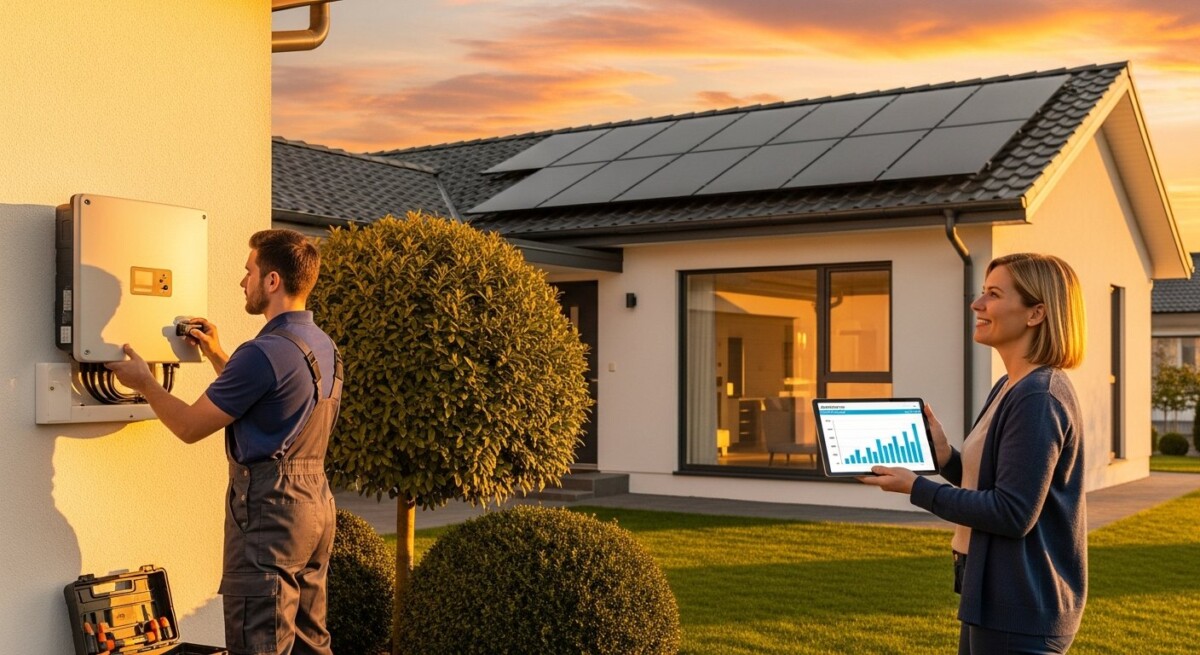
If you’ve opened your electricity bill recently and felt a sense of dread, you’re not alone. Many homeowners are searching for ways to reduce their energy costs and gain independence from the unpredictable power grid. One increasingly popular solution is a solar power purchase agreement, which offers a unique path to clean energy without the large upfront cost of buying a system outright.
Understanding Solar Power Purchase Agreements Explained
A Solar Power Purchase Agreement, or SPPA, is a financial arrangement that lets you use solar energy without owning the panels. Instead, a third-party company installs, owns, and maintains a solar energy system on your property. You simply agree to purchase the electricity the system generates, typically at a rate lower than your current utility’s price.
Think of it like leasing a car, but for your home’s power. The solar provider handles everything from design and permitting to repairs and monitoring. Your primary responsibility is to pay for the clean power you use each month, which is measured by a separate meter. This model removes the barriers of high initial investment and system maintenance, making solar accessible to more people.
Why Solar Energy Is Becoming More Popular
Homeowners are turning to solar power for several compelling reasons. First and foremost, electricity prices from traditional utilities continue to rise year after year. Solar energy provides a predictable, fixed cost for a significant portion of your power, shielding you from future rate hikes and offering long-term financial stability.
Beyond the wallet, environmental concerns are a major driver. By choosing solar, you directly reduce your household’s carbon footprint and reliance on fossil fuels. This shift towards clean, renewable energy contributes to cleaner air and a healthier planet, a benefit that resonates with many families looking to make a positive impact.
If you are considering solar power for your home, comparing installation quotes can help you understand your options. Request a free solar quote or call to learn more.
Common Questions Homeowners Have About Solar
It’s normal to have questions before making a significant home improvement decision. Many wonder about the real-world performance of solar panels, especially on cloudy days or during winter. Modern systems are designed to generate power even in indirect sunlight, and they often remain connected to the grid to ensure you have power 24/7.
Another frequent concern is whether a home’s roof is suitable. A professional installer will assess your roof’s age, material, orientation, and shading. They can determine if it’s a good candidate or if minor adjustments, like trimming a tree, could make solar viable. It’s also wise to understand any local regulations, which we cover in our guide on HOA guidelines for solar panels.
- What happens if my roof needs repairs?
- Will solar panels work during a power outage?
- How long does a solar panel system last?
- What is the typical payback period or savings?
- Do I need a south-facing roof for solar?
- How does net metering work with my utility?
How Solar Panel Installation Works
The installation process is managed by professionals from start to finish, making it surprisingly straightforward for the homeowner. It begins with a detailed consultation and energy assessment to understand your consumption patterns and design a system that meets your needs. This step ensures the system size is optimized for maximum savings.
Once the design is approved, the installer handles all the necessary permits and paperwork with your local government and utility company. This administrative legwork is a key value provided by professional installers, helping you avoid costly mistakes and delays. The physical installation is usually completed in just a few days.
- Home Energy Assessment & Consultation: Review your bills, assess your roof, and design a custom system.
- System Design & Engineering: Create detailed plans for panel placement and electrical work.
- Permits & Approvals: Secure all required local building and electrical permits, plus utility interconnection agreement.
- Physical Installation: Install racking, panels, inverters, and the monitoring system.
- Inspections & Activation: Pass final inspections and have your utility grant “Permission to Operate.”
Speaking with experienced installers can help you determine the best solar solution for your home. Compare solar quotes here or call to explore available options.
Signs Your Home May Be Ideal for Solar
Certain home characteristics make solar power particularly advantageous. The most obvious is strong, unobstructed sunlight exposure on your roof for most of the day. South-facing roofs are often ideal in the Northern Hemisphere, but east and west-facing roofs can also be highly effective.
If you consistently have high monthly electricity bills, solar can deliver substantial savings by offsetting that costly grid power. The investment also makes more sense if you plan to stay in your home for several years, allowing you to reap the long-term financial benefits. Homeownership is typically a requirement for entering into a long-term agreement like an SPPA.
- You receive high, sun-exposed electricity bills.
- Your roof is in good condition and has ample, unshaded space.
- You live in a region with favorable net metering policies.
- You plan to own your home for 5-10+ years.
- You are motivated by energy independence and environmental impact.
- Your local government and utility offer strong solar incentives.
What Affects Solar Installation Costs
The total cost of a solar energy system is influenced by several key factors. The size of the system, measured in kilowatts (kW), is the primary driver,larger systems that produce more power cost more. The type and quality of equipment also play a role; for instance, monocrystalline silicon solar panels are highly efficient but may come at a premium compared to other types.
Installation complexity matters too. A simple, ground-mounted system on flat land is different from a complex roof installation with multiple angles. Crucially, available government incentives, like the federal solar tax credit, can reduce the net cost by a significant percentage, making the investment much more attractive.
The cost of solar installation varies depending on your home and energy needs. Request personalized solar quotes or call to see what options are available.
Tips for Choosing a Reliable Solar Installer
Selecting the right installer is as important as choosing the right system. Look for a company with a strong track record, proper licensing, and insurance. They should be transparent about their process, equipment brands, and warranty offerings.
Always check customer reviews and ask for references from recent installations in your area. A trustworthy installer will provide a detailed proposal that clearly breaks down costs, projected savings, and system specifications. This allows for an apples-to-apples comparison.
- Verify licenses, insurance, and certifications (like NABCEP).
- Read independent reviews on multiple platforms.
- Ask about workmanship and product warranty lengths.
- Get detailed, written proposals from at least 3 different companies.
- Ensure they handle the entire process, including permits and interconnection.
Long-Term Benefits of Installing Solar Panels
The most immediate and tangible benefit is a drastic reduction in your monthly electricity bills. With a Solar PPA, you lock in a lower rate for your solar power for the duration of the agreement, protecting you from utility rate inflation. Over 20 years, these savings can amount to tens of thousands of dollars.
Solar panels also increase your property’s value and market appeal, as many homebuyers recognize the value of lower operating costs. Perhaps most importantly, you gain a greater degree of energy independence and contribute directly to a cleaner environment by reducing greenhouse gas emissions. It’s an investment that pays you back financially and ethically.
What is a Solar Power Purchase Agreement (SPPA)?
A Solar PPA is a contract where a developer installs and owns a solar system on your property. You agree to purchase the electricity it produces at a set per-kilowatt-hour rate, which is typically lower than your local utility’s retail rate. This allows you to benefit from solar energy with no upfront cost.
How much can I save with a Solar PPA?
Savings depend on your local utility rates, sunlight exposure, and the PPA rate you secure. Homeowners often save 10-30% on their electricity costs from day one. The savings compound over time as utility rates rise while your solar rate remains fixed or has a predetermined escalator.
What are the downsides of a Solar PPA?
The main trade-off is that you do not own the system, so you cannot claim the federal tax credit or increase your home’s equity through system ownership. The agreement is also a long-term contract (often 20-25 years) that must be transferred to a new owner if you sell your home, which requires buyer approval.
Can I get solar if my roof is shaded?
It depends on the severity of the shading. Professional installers use tools to model sun exposure throughout the year. Minor shading may only require trimming branches. Significant, unavoidable shading might make solar less effective, but micro-inverters or power optimizers can help mitigate production losses from partial shading.
What happens at the end of a PPA term?
At the end of the contract, you typically have several options. You can often renew the agreement at a current market rate, request the developer to remove the system at no cost, or, in many cases, purchase the system from the developer at its fair market value, which is usually much lower than its original cost.
Do solar panels require a lot of maintenance?
Solar panels require very little maintenance. They have no moving parts. In most climates, rainfall naturally cleans the panels. The system owner (the developer in a PPA) is responsible for all maintenance, monitoring, and repairs, which is a key benefit of this model.
Exploring solar energy for your home is a smart step toward controlling costs and investing in a sustainable future. Whether through a Solar PPA or a direct purchase, the key is to gather information from trusted, local professionals. By comparing multiple, detailed quotes, you can make a confident decision that aligns with your financial goals and values for years to come.