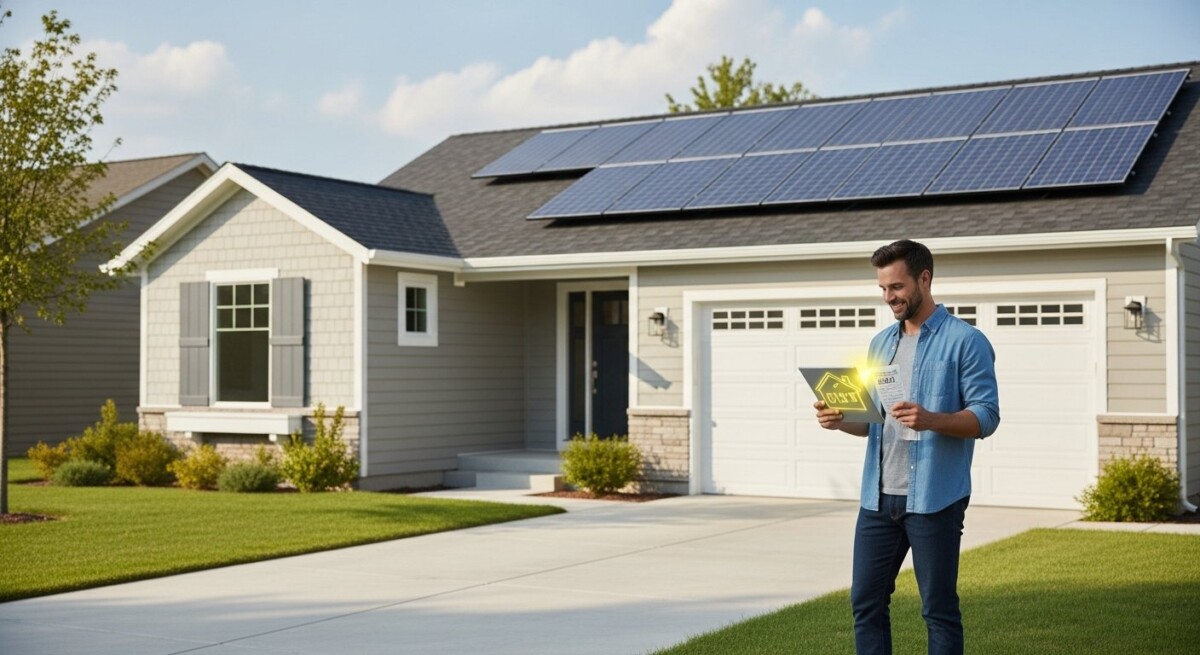
You open your monthly electricity bill and feel a familiar sting. The numbers keep climbing, and you wonder if there is a way to stop the trend. Many homeowners reach this point and begin searching for a solar savings estimation tool to see if solar panels could cut their costs. The idea of reducing your energy bills and becoming less dependent on the power grid is appealing, and the right tool can help you understand whether solar makes sense for your home.
Understanding Solar Savings Estimation Tool
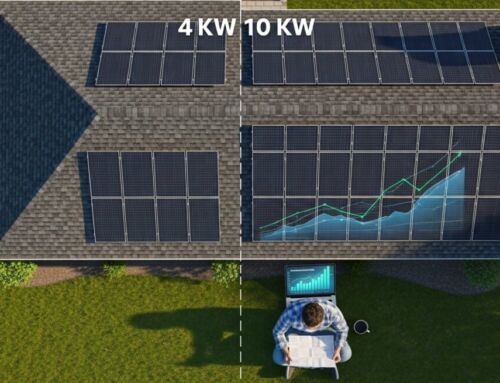
A solar savings estimation tool is a simple online calculator that helps you predict how much money you could save by installing solar panels. You enter details about your home, such as your location, roof size, and average electricity usage, and the tool uses local sunlight data and utility rates to estimate your potential savings. It takes the guesswork out of going solar by giving you a personalized financial picture before you ever talk to an installer.
Most tools work by analyzing your zip code and your monthly electric bill. They factor in net metering policies, local incentives, and the angle of your roof to produce a savings estimate for the next 20 to 25 years. More homeowners are turning to these tools because they offer a quick, free way to see if solar is a smart investment for their specific situation, and they provide a realistic starting point for further research.
How Accurate Are These Tools?
The accuracy of a solar savings estimation tool depends on the data you provide and the quality of the tool itself. Most tools give you a ballpark figure that is close enough to help you decide whether to proceed with formal quotes. For the most precise numbers, you will still need a professional installer to assess your roof and energy usage on site.
Why Solar Energy Is Becoming More Popular
Rising electricity prices are the number one reason homeowners are switching to solar. According to the U.S. Energy Information Administration, residential electricity rates have increased steadily over the past decade, and there is no sign of a slowdown. Solar panels allow you to generate your own power and lock in a lower rate for decades, protecting you from future price hikes.
Environmental concerns also play a big role. Many families want to reduce their carbon footprint and contribute to a cleaner planet. Solar energy produces no greenhouse gases during operation, and installing panels is one of the most effective ways to make your home greener. Combined with the promise of long-term savings, these factors make solar an increasingly popular choice for homeowners across the country. In our guide on best states for solar savings and energy independence, we explain how location can dramatically affect your return on investment.
If you are considering solar power for your home, comparing installation quotes can help you understand your options. Request a free solar quote or call to learn more.
Common Questions Homeowners Have About Solar
Before making a decision, homeowners naturally have questions about cost, performance, and whether solar is right for their property. The most common concerns center around the upfront investment and whether the system will work well on their specific roof. Addressing these questions early helps you move forward with confidence.
- How much does a solar system cost? The average residential system ranges from $15,000 to $25,000 before incentives, but prices vary widely by location and equipment.
- Will my roof support solar panels? Most roofs that are in good condition and have at least 15 years of life left can support solar.
- How long do solar panels last? Panels typically come with a 25-year performance warranty and can produce electricity for 30 years or more.
- Do I need a battery? Batteries are optional, but they provide backup power and allow you to store excess energy for use at night.
- What happens if I move? Solar panels can increase your home’s resale value, and many buyers see them as a desirable feature.
- Are there tax credits available? Yes, the federal Investment Tax Credit (ITC) currently offers a 30% credit on the total system cost.
How Solar Panel Installation Works
The installation process is more straightforward than many homeowners expect. A professional installer handles almost everything, from design to permitting to the final connection with your utility company. Understanding the steps helps you feel prepared and confident about the timeline.
- Home energy assessment: An installer reviews your past electric bills and inspects your roof to determine the right system size.
- System design: Using satellite imagery and on-site measurements, the team designs a layout that maximizes sunlight exposure.
- Permits and approvals: The installer files the necessary permits with your local government and submits paperwork to your utility for net metering approval.
- Panel installation: A crew mounts the panels, connects the inverter, and runs wiring to your main electrical panel,usually within one to three days.
- System activation: After a final inspection by your city or county, the utility gives permission to turn the system on, and you start generating power.
Speaking with experienced installers can help you determine the best solar solution for your home. Compare solar quotes here or call to explore available options.
Signs Your Home May Be Ideal for Solar
Not every home is a perfect candidate for solar, but many are. Certain conditions make solar especially attractive and cost-effective. If you recognize several of these signs, it is worth getting a professional assessment.
- Strong sunlight exposure: Your roof faces south, west, or east with little shading from trees or buildings.
- High electricity bills: You pay more than $100 per month on average, making solar a strong financial move.
- Suitable roof space: You have at least 300 square feet of unshaded roof area in good condition.
- Long-term home ownership plans: You plan to stay in your home for at least five to seven years, allowing time to recoup the investment.
- Local incentives: Your state or utility offers rebates, tax credits, or performance-based incentives that boost savings.
- Net metering availability: Your utility credits you for excess energy sent back to the grid, maximizing your savings.
What Affects Solar Installation Costs
Solar system prices vary based on several key factors. Understanding these variables helps you compare quotes fairly and choose a system that fits your budget without sacrificing quality. The size of the system, measured in kilowatts, is the biggest driver of cost because larger systems require more panels and labor.
Equipment quality also matters. Premium panels and microinverters cost more upfront but often produce more energy and last longer. Installation complexity, such as a steep roof or older electrical panel, can add to the labor cost. Finally, local incentives and rebates can significantly reduce your out-of-pocket expense, so it pays to research what is available in your area. For example, homeowners in Massachusetts can take advantage of strong state incentives; read more in our article on solar savings in Boston: cut your electricity bills.
The cost of solar installation varies depending on your home and energy needs. Request personalized solar quotes or call to see what options are available.
Tips for Choosing a Reliable Solar Installer
Finding a trustworthy installer is just as important as choosing the right equipment. A reputable company will guide you through the process, handle permits, and stand behind their work with solid warranties. Taking a few extra steps during your search can save you headaches later.
- Review installer experience: Look for companies that have been in business for at least five years and have completed hundreds of installations.
- Check warranties: A good installer offers a workmanship warranty of at least 10 years and uses panels with a 25-year performance guarantee.
- Read customer reviews: Check Google, Yelp, and the Better Business Bureau for honest feedback from past clients.
- Compare multiple quotes: Get at least three written quotes from different installers to compare pricing, equipment, and terms.
- Verify licensing and insurance: Ensure the company is licensed in your state and carries liability and workers’ compensation insurance.
Long-Term Benefits of Installing Solar Panels
Solar panels offer benefits that extend far beyond the first month of lower bills. Over the 25- to 30-year lifespan of a system, most homeowners save tens of thousands of dollars on electricity. These savings free up money for other priorities, from home improvements to retirement savings.
Solar also increases your home’s value. Studies show that homes with solar panels sell for a premium compared to similar homes without them. Additionally, generating your own clean energy reduces your reliance on fossil fuels, cutting your household carbon emissions by several tons each year. Energy independence means you are less affected by grid outages and utility rate increases, giving you greater control over your household budget.
Frequently Asked Questions
How do I use a solar savings estimation tool?
You typically enter your zip code, monthly electric bill, and roof details into the tool. It then calculates your estimated savings based on local sunlight, utility rates, and available incentives. The result gives you a quick overview of whether solar is worth pursuing further.
Is a solar savings estimation tool free?
Yes, most reputable tools are completely free to use. They are designed to help homeowners make informed decisions without any obligation. Some tools may ask for your contact information, but you are not required to buy anything.
How accurate is a solar savings calculator?
Accuracy varies, but a good tool can provide a reliable estimate within 10 to 15 percent of actual savings. For a precise figure, you should follow up with a professional site assessment. The tool is best used as a screening step before requesting formal quotes.
What information do I need to use a solar estimator?
You will need your average monthly electricity bill, your home address or zip code, and a rough idea of your roof’s size and orientation. Some tools also ask about your roof’s age and shading. Having a recent electric bill handy makes the process easier.
Can a solar savings tool tell me if I qualify for tax credits?
Many advanced tools include local and federal incentive data in their calculations. They can show you how much you might save with the 30% federal tax credit and any state rebates. However, you should verify eligibility with a tax professional.
Do I need a south-facing roof for solar to be worth it?
No, but south-facing roofs produce the most energy. East- and west-facing roofs can still generate significant savings, especially with modern high-efficiency panels. A professional installer can model your specific roof orientation to give you accurate numbers.
How long does it take to recoup the cost of solar panels?
The payback period typically ranges from 6 to 12 years, depending on your location, energy usage, and system cost. After that point, your electricity is essentially free for the remaining life of the system. A solar savings estimation tool can calculate your specific payback timeline.
Will solar panels work during a power outage?
Standard grid-tied solar systems shut down during an outage for safety reasons. If you want backup power, you need a battery storage system. Batteries store excess energy and allow you to run essential appliances when the grid is down.
Solar energy is a practical investment that can lower your electricity bills, increase your home’s value, and reduce your environmental impact. The best way to start is by using a solar savings estimation tool to get a personalized picture, then comparing quotes from multiple professional installers to find the right solution for your home. Take the first step today and explore your solar options with confidence.