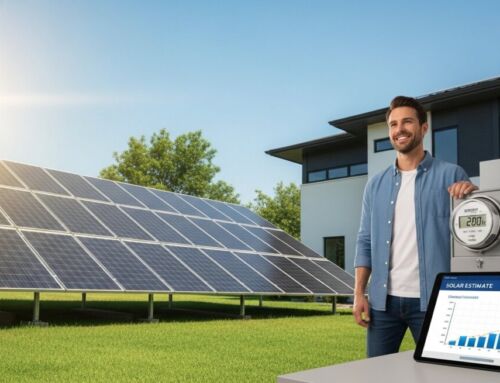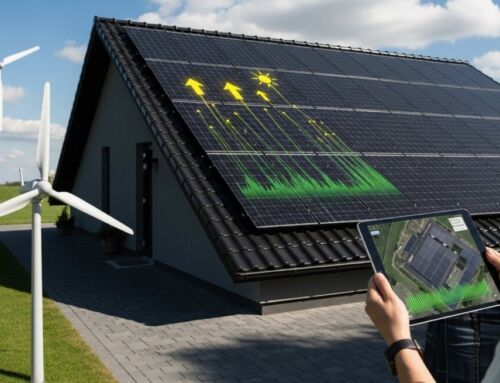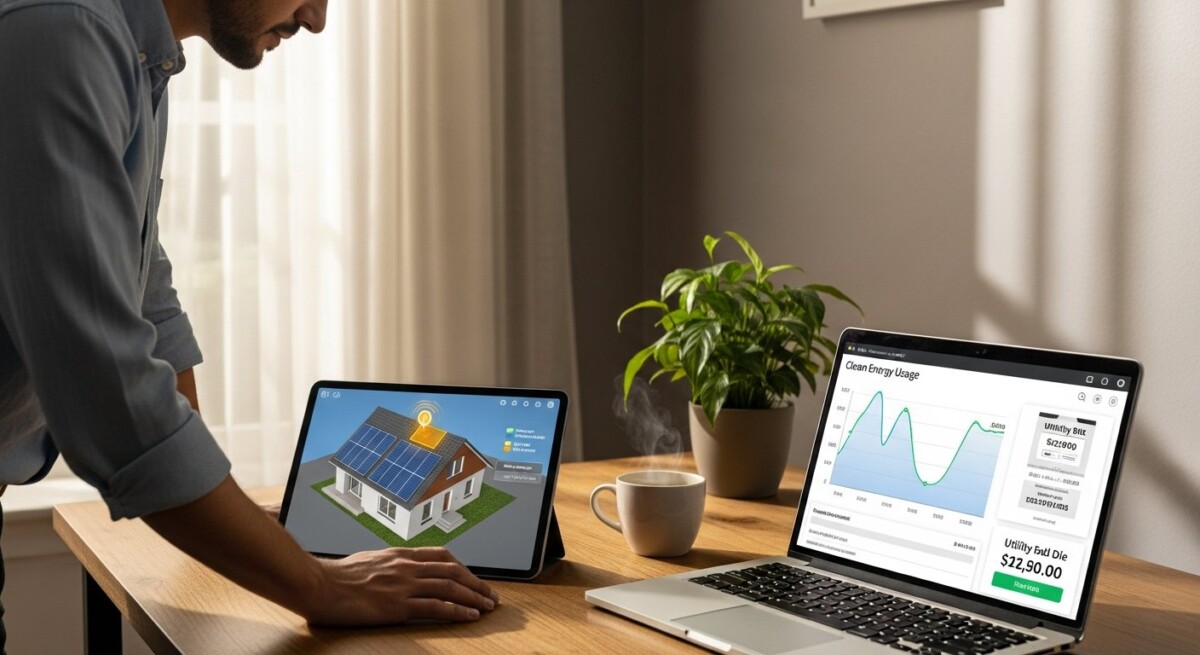
Every month, you open your electricity bill and see the number creeping higher. You wonder if there is a way to take control of your energy costs without sacrificing comfort. That is exactly why thousands of homeowners are turning to solar power. By using a trusted solar system sizing calculator, you can estimate how many panels you need to slash your electric bills and reduce dependence on the grid.
Understanding Solar System Sizing Calculator
A solar system sizing calculator is an online tool that helps you figure out the right number of solar panels for your home. It takes your energy usage, roof size, and local sunlight hours and converts them into a personalized recommendation. Instead of guessing, you get a data-backed estimate of the system size that will cover your electricity needs.
The calculator works by analyzing your past utility bills and your home’s geographic location. You simply enter your average monthly kilowatt-hour (kWh) consumption, and the tool accounts for factors like roof angle, shading, and seasonal sun exposure. More homeowners are using these calculators before contacting installers because they provide a clear starting point and help avoid overpaying for an oversized system or under-sizing a unit that fails to offset your bills.
How Accurate Are These Tools?
Most solar sizing calculators provide a reliable ballpark figure, but they are not a substitute for a professional site visit. A certified installer will use advanced software that incorporates your specific roof layout, local weather patterns, and equipment efficiency. Think of the calculator as your first step , a useful guide that prepares you for a more detailed consultation.
Why Solar Energy Is Becoming More Popular
Electricity rates have risen steadily over the past decade, and many homeowners feel the pinch. Solar panels offer a way to lock in lower energy costs for 25 years or more. Once your system is paid off, the electricity it generates is essentially free, protecting you from future rate hikes.
Beyond saving money, people are drawn to solar because it reduces their carbon footprint. Generating clean energy from the sun means less reliance on fossil fuels and a healthier environment for future generations. Add in federal tax credits, state rebates, and net metering programs, and the financial case for going solar becomes even stronger.
If you are considering solar power for your home, comparing installation quotes can help you understand your options. Request a free solar quote or call to learn more.
Common Questions Homeowners Have About Solar
It is normal to have questions before making a big investment like solar panels. Many homeowners worry about the upfront cost and whether their roof can support the equipment. Others wonder how well the system will perform on cloudy days or during winter months.
The truth is that solar technology has improved dramatically. Modern panels are more efficient than ever, and most roofs , including those with asphalt shingles, tile, or metal , can accommodate them. The key is to work with an experienced installer who can evaluate your specific situation.
- How much does a solar system cost? Costs vary by size, but the average residential system runs between $15,000 and $25,000 before incentives.
- Will solar work on a shaded roof? Partial shading reduces output, but microinverters or power optimizers can mitigate the impact.
- What happens during a power outage? Standard grid-tied systems shut off for safety, but battery backup can keep your lights on.
- How long do panels last? Most panels come with a 25-year performance warranty and can produce electricity for 30 years or more.
- Do I need to clean my panels? Rain usually keeps them clean, but occasional washing in dusty areas can improve efficiency.
- Can I add more panels later? Yes, but it depends on your inverter capacity and roof space. In our guide on expanding your solar system, we explain how to plan for future growth.
How Solar Panel Installation Works
Installing solar panels is a straightforward process when handled by professionals. The entire journey, from first consultation to flipping the switch, typically takes four to eight weeks. Knowing what to expect helps you feel confident every step of the way.
Your installer will start by reviewing your energy usage and examining your roof. They will design a system that fits your home’s unique layout and then handle all the permits and paperwork. Once the panels are mounted and connected, your utility company will inspect the system and grant permission to operate.
- Home energy assessment , Your installer evaluates your current electricity use and roof condition.
- System design , Using the data, they create a custom layout and select the right equipment.
- Permits and approvals , The installer submits documents to your local building department and utility company.
- Panel installation , Crews mount the racking system, attach the panels, and wire the inverter.
- System activation , After final inspection, your system is turned on and starts generating power.
Speaking with experienced installers can help you determine the best solar solution for your home. Compare solar quotes here or call to explore available options.
Signs Your Home May Be Ideal for Solar
Not every home is a perfect fit for solar, but most can benefit from it. Certain characteristics make the transition easier and more cost-effective. If your home checks several of these boxes, you are likely a strong candidate.
A south-facing roof with little to no shade is the gold standard, but east and west exposures also work well. High electricity bills are another clear indicator , the more you pay the utility, the more you stand to save. If you plan to stay in your home for at least five more years, the long-term savings will easily outweigh the upfront investment.
- Strong sunlight exposure , Your roof receives direct sun for most of the day.
- High electricity bills , You pay more than $100 per month on average.
- Suitable roof space , You have at least 300 square feet of usable, unshaded roof area.
- Long-term home ownership plans , You intend to stay in your home for five years or more.
- Good roof condition , Your roof is less than 10 years old or in excellent shape.
- Local incentives available , Your state or utility offers rebates or net metering programs.
What Affects Solar Installation Costs
The price of a solar system depends on several variables, and understanding them helps you make smarter decisions. The size of the system , measured in kilowatts , is the biggest factor. A larger home with higher energy needs will require more panels and a bigger inverter, which raises the total cost.
Equipment quality also matters. Premium panels from top-tier manufacturers cost more upfront but often produce more power and last longer. Installation complexity , such as a steep roof, multiple stories, or older electrical panels , can add labor costs. Finally, local incentives and federal tax credits can dramatically lower your out-of-pocket expense, sometimes by 30 percent or more.
The cost of solar installation varies depending on your home and energy needs. Request personalized solar quotes or call to see what options are available.
Tips for Choosing a Reliable Solar Installer
Finding the right installer is just as important as choosing the right equipment. A reputable company will guide you through the process, handle all the paperwork, and stand behind their work. Taking a little extra time to vet installers can save you headaches later.
Start by looking for companies with a proven track record in your area. Ask about their experience installing the specific type of system you want, and check online reviews from real customers. Always compare at least three quotes before signing a contract , this ensures you get a fair price and a system that meets your needs. In our guide on how to compare solar system quotes, we break down exactly what to look for.
- Review installer experience , Look for a company with at least five years in business and hundreds of installations.
- Check warranties , Ensure the installer offers a workmanship warranty of at least 10 years.
- Read customer reviews , Browse sites like Google, Yelp, and SolarReviews for honest feedback.
- Compare multiple quotes , Get proposals from three or more installers to see pricing and equipment options.
- Verify licensing and insurance , Confirm the company holds proper state licenses and general liability insurance.
Long-Term Benefits of Installing Solar Panels
Going solar is not just about this year’s electricity bill , it is an investment that pays off for decades. Most homeowners see a full return on their investment within seven to ten years, and after that, the electricity they generate is essentially free. Over the 25-year life of a typical system, total savings can exceed $30,000.
Solar panels also increase your home’s resale value. Studies show that homes with solar systems sell for a premium compared to similar homes without them. Beyond the financial gains, you gain energy independence , you are no longer at the mercy of utility rate increases or grid outages. And every kilowatt-hour you produce from sunlight reduces carbon emissions, helping create a cleaner planet for your children and grandchildren.
Frequently Asked Questions
How do I use a solar system sizing calculator?
You simply enter your average monthly electricity usage, your location, and details about your roof. The calculator then estimates the system size you need to offset your bill. Many online calculators also show estimated savings and payback periods.
What size solar system do I need for a 2,000 square foot house?
A 2,000-square-foot home typically uses between 800 and 1,200 kWh per month. That usually requires a 6 kW to 8 kW solar system, which is about 15 to 20 panels. A solar sizing calculator can give you a more precise number based on your actual usage.
Can I install solar panels myself to save money?
While DIY installation is possible, it is not recommended for most homeowners. Professional installers handle permits, safety requirements, and proper wiring, which reduces risk and ensures your system qualifies for incentives. Mistakes can lead to costly repairs or voided warranties.
How long does it take to get solar panels installed?
From signing a contract to system activation, the process usually takes four to eight weeks. The physical installation itself often takes only one to three days. The rest of the time is spent on permitting, approvals, and utility interconnection.
Will solar panels work during a blackout?
Standard grid-tied solar systems shut down during a blackout to protect utility workers. If you want backup power, you need a battery storage system like the Tesla Powerwall or LG Chem. Batteries store excess solar energy and keep your home running when the grid goes down.
Do I need to replace my roof before installing solar?
If your roof is older than 20 years or shows signs of damage, it is wise to replace it before installing panels. Removing and reinstalling panels later adds extra cost. A reputable installer will inspect your roof and advise you on the best course of action.
What happens if I move after installing solar?
If you own the system outright, it can increase your home’s sale price. Many buyers view solar as a valuable upgrade. If you have a lease or power purchase agreement, the new owner may need to take over the contract, which can be a hurdle in some markets.
How much can I save with federal tax credits?
The federal Investment Tax Credit (ITC) currently allows you to deduct 30 percent of your solar installation cost from your federal taxes. For a $20,000 system, that is a $6,000 credit. State and local incentives can further reduce your net cost.
Switching to solar is one of the smartest home improvements you can make. It lowers your monthly expenses, increases your property value, and helps protect the environment. The best way to get started is to use a solar system sizing calculator to estimate your needs, then compare quotes from certified installers. Reach out today and take the first step toward energy independence.