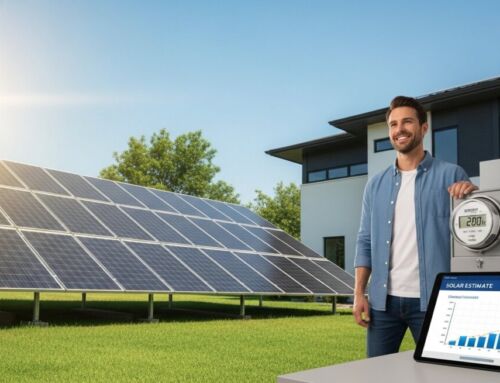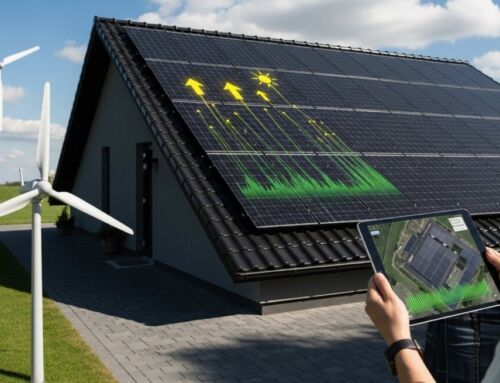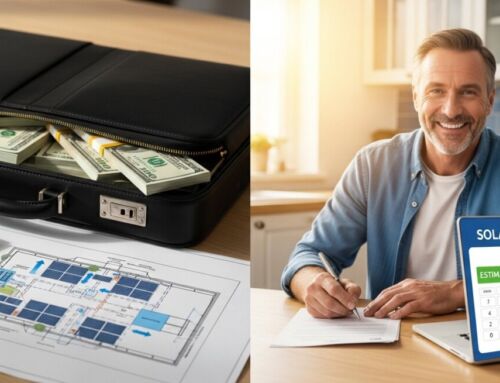
You open your monthly electric bill and feel a familiar pinch. The numbers keep climbing, and it seems like there is no end in sight. This is why so many homeowners are searching for a solar total investment calculation to see if they can finally reduce those costs and become less dependent on the power grid.
A solar total investment calculation helps you understand the full cost of going solar and how much you will save over time. It is not just about the price of panels; it includes equipment, installation, permits, and incentives. When you grasp this number, you can make a confident decision about whether solar is right for your home.
Understanding Solar Total Investment Calculation
A solar total investment calculation is simply the process of adding up all the costs of a solar panel system and then subtracting any rebates or tax credits. This gives you the net amount you will actually pay out of pocket. From there, you can compare that number to your expected savings on electricity bills over the life of the system.
To calculate this, you start with the system price, which includes panels, inverters, wiring, labor, and permits. Then you subtract the federal solar tax credit, which is currently 30 percent, and any state or local incentives. The result is your true investment. After that, you estimate how much electricity the system will produce and multiply that by your local utility rate to see your annual savings.
More homeowners are running these numbers because solar costs have dropped dramatically in recent years. With higher electricity rates and better financing options, the math often works in the homeowner’s favor. A professional installer can run this calculation for you and show you a clear payback period.
Why a Professional Calculation Matters
A DIY calculation might miss important factors like shading, roof angle, or future electricity rate increases. Professional installers use advanced software to model your home’s exact energy production and savings. This accuracy is why comparing quotes from certified installers is so valuable.
Why Solar Energy Is Becoming More Popular
Electricity prices have risen steadily across the United States, and many homeowners feel the strain on their monthly budgets. Solar panels offer a way to lock in lower energy costs for decades. This financial predictability is a major reason why more people are making the switch.
Environmental concerns also play a big role. Solar energy produces no greenhouse gases during operation, which helps reduce your carbon footprint. For many families, knowing they are contributing to a cleaner planet adds meaning to their investment.
Long-term savings are the most compelling factor. Most solar systems pay for themselves within six to ten years and then continue to produce free electricity for another fifteen to twenty years. Over thirty years, the total savings can easily reach tens of thousands of dollars.
If you are considering solar power for your home, comparing installation quotes can help you understand your options. Request a free solar quote or call to learn more.
Common Questions Homeowners Have About Solar
Many homeowners worry about the upfront installation cost. The good news is that federal tax credits, state rebates, and financing options make solar more accessible than ever. Some programs even allow you to install solar with zero down payment.
Roof suitability is another frequent concern. Not every roof is ideal, but most homes with sufficient sun exposure can benefit. A professional installer will inspect your roof’s age, material, and orientation to determine if it is a good fit.
System performance questions are also common. Homeowners want to know how much power their panels will actually produce on cloudy days or during winter. Modern panels are efficient and work even in indirect sunlight, though production will vary by season.
- How much does a typical solar system cost?
- Will solar panels work on my roof?
- How long do solar panels last?
- What happens during a power outage?
- Do I need to replace my roof first?
- How much maintenance do panels require?
How Solar Panel Installation Works
The installation process begins with a home energy assessment. An installer reviews your past electric bills and examines your roof to design a system that matches your energy use. This step ensures you get the right size system for your needs.
After the design is complete, the installer handles all permits and approvals with your local utility and city government. This paperwork can be complex, which is why working with an experienced professional saves you time and stress. Once permits are approved, the actual installation usually takes one to three days.
- Home energy assessment and bill review
- System design and equipment selection
- Permit applications and utility approvals
- Panel and inverter installation on your roof
- System activation and final inspection
Speaking with experienced installers can help you determine the best solar solution for your home. Compare solar quotes here or call to explore available options.
Signs Your Home May Be Ideal for Solar
Homes with strong sunlight exposure are the best candidates for solar panels. If your roof faces south or west and receives little shade during peak hours, you are likely to see excellent energy production. Even homes with east or west facing roofs can work well with modern panel technology.
High electricity bills are another clear sign. If you pay more than one hundred dollars per month on average, solar can likely reduce those costs significantly. The higher your current bills, the faster your system will pay for itself.
- Your roof gets at least five hours of direct sunlight daily
- Your electricity bills are consistently high
- You have enough unshaded roof space
- You plan to stay in your home for at least five more years
- Your roof is in good condition or relatively new
- Your local utility offers net metering
What Affects Solar Installation Costs
System size is the biggest cost factor. A larger system that covers more of your electricity usage will cost more upfront but also save more over time. Installers will size the system based on your average monthly consumption and future energy needs.
Equipment quality also matters. Premium panels and inverters cost more but often come with better warranties and higher efficiency. Lower cost equipment may save money now but could produce less power or fail sooner. Balancing quality and budget is important.
Installation complexity can drive up labor costs. A steep roof, unusual materials, or the need for electrical panel upgrades will add to the total price. Local incentives and rebates can offset these costs, so it pays to research what is available in your area.
The cost of solar installation varies depending on your home and energy needs. Request personalized solar quotes or call to see what options are available.
Tips for Choosing a Reliable Solar Installer
Choosing the right installer is just as important as choosing the right equipment. A reputable company will guide you through the entire process and stand behind their work. Look for installers who have been in business for several years and have strong reviews.
Warranties are a key indicator of quality. The best installers offer a workmanship warranty of at least ten years and use equipment with twenty-five year performance guarantees. Reading customer reviews on independent sites can also reveal how a company handles problems.
- Check the installer’s experience and years in business
- Review the equipment warranties carefully
- Read recent customer reviews on multiple platforms
- Compare at least three quotes before deciding
- Ask about financing options and interest rates
- Confirm they handle permits and inspections
Long-Term Benefits of Installing Solar Panels
Lower electricity bills are the most immediate benefit. Once your system is paid off, the electricity it produces is essentially free. This can save you hundreds of dollars each year and insulate you from future rate hikes.
Solar panels also increase your home’s value. Studies show that homes with solar sell for a premium compared to similar homes without it. Buyers are attracted to the promise of lower utility costs and energy independence.
Reducing your environmental impact is another lasting reward. Solar energy is clean and renewable, meaning you are helping to reduce reliance on fossil fuels. Energy independence also gives you peace of mind during grid outages if you add battery storage.
What is a solar total investment calculation?
A solar total investment calculation is the process of adding up all costs for a solar panel system and subtracting available incentives to find your net investment. It helps you understand the true price you will pay and compare it to your expected savings over time.
How do I calculate my solar payback period?
Divide your net system cost by your average annual electricity savings. For example, if your system costs $12,000 after incentives and you save $1,500 per year, your payback period is eight years. Most systems pay for themselves within six to ten years.
Does solar really save money on electricity bills?
Yes, solar panels significantly reduce or even eliminate your monthly electricity bills. The amount you save depends on your system size, local utility rates, and how much sun your roof receives. Over the life of the system, savings typically reach tens of thousands of dollars.
What incentives are available for solar installation?
The federal solar tax credit allows you to deduct 30 percent of your system cost from your taxes. Many states and utilities offer additional rebates, tax credits, or performance payments. Your installer can help you identify all available incentives in your area.
How long do solar panels last?
Most solar panels come with a twenty-five year performance warranty and continue producing electricity for thirty to forty years. They gradually lose efficiency over time, but still generate significant power even after several decades.
Will solar panels work on a cloudy day?
Yes, solar panels still generate electricity on cloudy days, though at a reduced rate. They work using diffuse sunlight that penetrates clouds. Modern panels are designed to capture light even in less than ideal conditions.
Do I need to clean my solar panels?
Solar panels are self cleaning for the most part. Rain washes away dust and dirt. In very dry or dusty areas, occasional cleaning with a hose may improve performance. Most homeowners never need to clean their panels.
Can I install solar panels myself to save money?
DIY solar installation is possible but not recommended for most homeowners. Professional installation ensures the system is safe, properly permitted, and eligible for warranties and incentives. Mistakes can be costly and dangerous.
Understanding your solar total investment calculation is the first step toward energy savings and independence. By comparing quotes from certified installers, you can find the best system for your home and budget. Take that step today and see how solar can work for you.