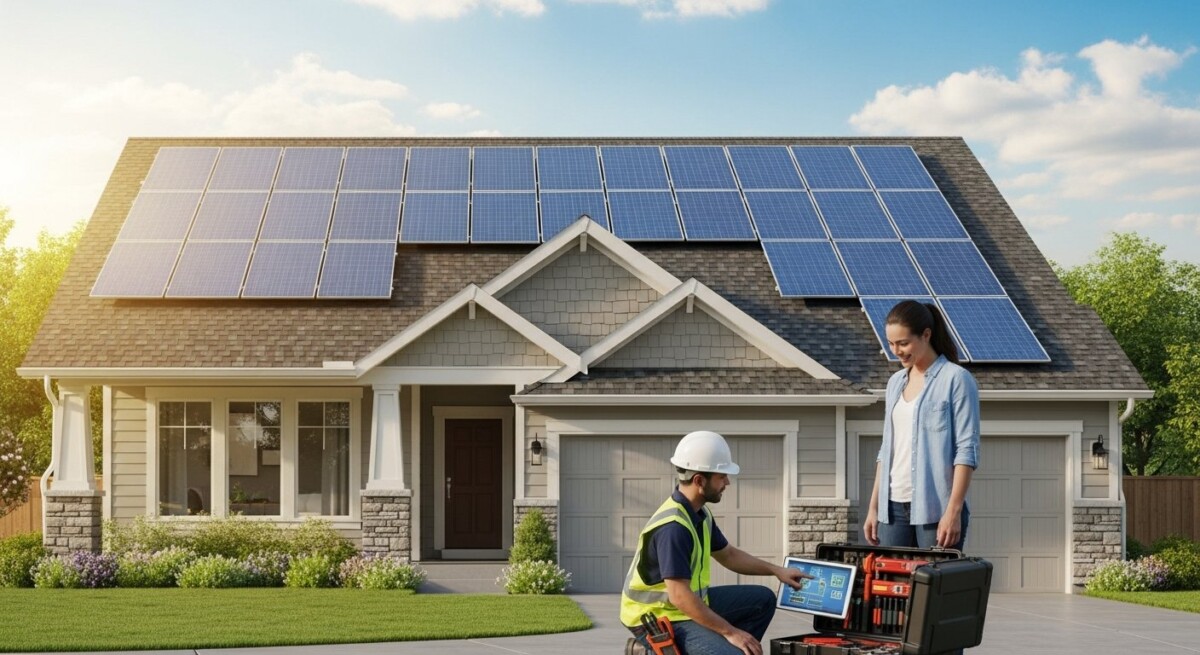
You open your monthly electricity bill and notice the cost has gone up again. For many homeowners, this has become a frustrating pattern. Rising energy rates and growing concerns about the environment have led more people to search for trusted solar installation services that can help them take control of their energy future. Solar power offers a practical way to reduce electricity bills while becoming less dependent on the power grid. Finding a reliable installer is the first step toward long-term savings and energy independence.
Understanding trusted solar installation services
Trusted solar installation services refer to professional companies that design, permit, install, and maintain solar panel systems for homes. These providers have certified technicians, proven experience, and a track record of quality work. They handle everything from the initial energy assessment to final system activation, ensuring your solar panels operate safely and efficiently for decades.
A solar panel system works by capturing sunlight through photovoltaic (PV) panels, which convert sunlight into direct current (DC) electricity. An inverter then changes that DC power into alternating current (AC) electricity your home can use. Any extra power can be sent back to the grid, often earning you credits through net metering programs. More homeowners are choosing solar because it turns a monthly expense into a long-term investment.
What sets a trusted installer apart
A trusted installer doesn’t just mount panels on your roof. They perform a thorough site evaluation, check your roof’s condition and orientation, review your energy usage history, and design a system tailored to your household’s needs. They also handle all local permits and utility paperwork, coordinate inspections, and provide warranties on both equipment and workmanship. This comprehensive service protects you from costly mistakes and ensures your system performs as promised.
Why solar energy is becoming more popular
Electricity prices in the United States have risen steadily over the past decade, and many homeowners expect them to keep climbing. Solar energy offers a way to lock in lower electricity costs for 25 years or more. By generating your own power, you reduce your monthly utility bills and shield yourself from future rate increases. For many families, the savings add up to tens of thousands of dollars over the life of the system.
Environmental concerns also drive the shift to solar. Solar power produces no greenhouse gas emissions during operation, helping reduce your household’s carbon footprint. Additionally, federal tax credits and state-level incentives make solar more affordable than ever. The combination of financial savings, energy independence, and environmental benefits has made solar one of the fastest-growing home improvements in the country.
If you are considering solar power for your home, comparing installation quotes can help you understand your options. Request a free solar quote or call (800) 555-0199 to learn more.
Common questions homeowners have about solar
Many homeowners hesitate to go solar because they have unanswered questions. The most common concerns involve upfront cost, roof suitability, and how well the system will perform in their local climate. Understanding these factors can help you make an informed decision and avoid surprises later.
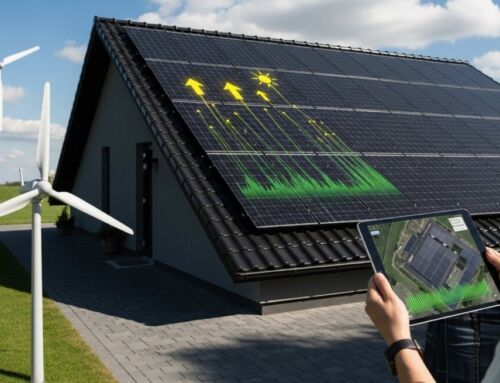
Professional installers address these concerns during the consultation process. They use satellite imagery and on-site inspections to evaluate your roof’s sun exposure, shading, and structural integrity. They also provide detailed cost estimates and projected savings based on your actual electricity usage. Here are some of the most frequently asked questions homeowners have:
- How much does a solar panel system cost?
- Will solar panels work on my roof?
- How long does installation take?
- What happens if my panels produce more power than I use?
- Do solar panels require maintenance?
- What warranties come with a solar system?
How solar panel installation works
The solar installation process follows a clear sequence of steps designed to ensure safety, quality, and compliance with local codes. A typical project takes one to three months from initial consultation to system activation, depending on permitting timelines and weather conditions. Working with a trusted installer simplifies this process and keeps everything on track.
Here are the main steps involved in a professional solar installation:
- Home energy assessment , The installer reviews your electricity bills and evaluates your roof to determine the optimal system size.
- System design , A custom layout is created showing panel placement, inverter location, and electrical routing.
- Permits and approvals , The installer obtains necessary building permits and submits interconnection requests to your utility company.
- Panel installation , Certified technicians mount the panels, install the inverter, and connect the system to your electrical panel.
- System activation , After final inspection and utility approval, your solar system is turned on and begins generating electricity.
Speaking with experienced installers can help you determine the best solar solution for your home. Compare solar quotes here or call (800) 555-0199 to explore available options.
Signs your home may be ideal for solar
Not every home is equally suited for solar panels, but many properties can benefit from a well-designed system. Certain characteristics make a home especially good for solar energy. If you check several of these boxes, solar could be a smart investment for you.
A south-facing roof with little to no shade from trees or nearby buildings provides the best sun exposure. High electricity bills also indicate strong potential for savings, as solar offsets your most expensive power usage. Additionally, if you plan to stay in your home for several more years, you have time to fully recoup your investment through lower energy costs.
- Your roof receives strong sunlight for most of the day
- Your monthly electricity bills are consistently high
- You have adequate roof space without obstructions
- You plan to stay in your home for at least five to seven years
- Your roof is in good condition and less than 10 years old
- Your state or utility offers net metering or solar incentives
What affects solar installation costs
Solar installation costs vary widely depending on several key factors. Understanding these variables helps you evaluate quotes and choose a system that fits your budget. On average, a residential solar system in the United States ranges from $15,000 to $25,000 before incentives, though prices continue to decline.
System size is the biggest cost driver. Larger homes with higher energy consumption need more panels and a bigger inverter, which increases upfront cost. Equipment quality also matters: premium panels and microinverters cost more but often deliver better performance and longer warranties. Installation complexity, such as roof type, pitch, and wiring challenges, can add labor costs. Finally, local incentives and federal tax credits can significantly reduce your net out-of-pocket expense.
The cost of solar installation varies depending on your home and energy needs. Request personalized solar quotes or call (800) 555-0199 to see what options are available.
Tips for choosing a reliable solar installer
Selecting the right installer is one of the most important decisions you’ll make when going solar. A trustworthy company ensures your system is designed correctly, installed safely, and backed by solid warranties. Taking time to research and compare installers can save you from headaches and unexpected costs down the road.
Start by reviewing each installer’s experience and certifications. Look for companies with at least five years in business and staff who hold credentials from the North American Board of Certified Energy Practitioners (NABCEP). Read customer reviews on platforms like Google, Yelp, and the Better Business Bureau to gauge satisfaction and reliability.
- Review the installer’s experience and ask for references from recent projects
- Check equipment and workmanship warranties , aim for at least 10 years on workmanship
- Read online customer reviews and check the company’s Better Business Bureau rating
- Compare at least three detailed quotes that include equipment, labor, and permits
- Ask about financing options, including solar loans, leases, and power purchase agreements
- Confirm the installer handles all permitting and utility paperwork
Long-term benefits of installing solar panels
Solar panels provide financial and environmental benefits that compound over time. The most immediate advantage is lower electricity bills. Most homeowners see their monthly utility costs drop by 50 to 90 percent, depending on system size and local electricity rates. Over 25 years, those savings can total $20,000 to $40,000 or more.
Solar also increases your home’s resale value. Studies show that homes with solar panels sell for a premium compared to similar homes without solar. Additionally, you reduce your reliance on fossil fuels and help combat climate change. Energy independence means you are less affected by grid outages and utility rate hikes, giving you greater control over your household budget.
Frequently asked questions
How much can I save on my electricity bills with solar panels?
Savings vary based on system size, local electricity rates, and your energy usage. Most homeowners reduce their monthly electric bills by 50 to 90 percent. Over the 25- to 30-year lifespan of a solar system, total savings often range from $20,000 to $40,000.
Do solar panels work during cloudy days or winter?
Yes, solar panels still generate electricity on cloudy days, though output is reduced. Modern panels are designed to capture diffuse sunlight. Winter months typically produce less energy due to shorter days, but net metering credits from summer production can help balance your annual usage.
How long do solar panels last?
Most solar panels come with a 25- to 30-year performance warranty and continue producing power well beyond that. They typically degrade at a rate of about 0.5 percent per year, meaning they still operate at roughly 85 percent capacity after 25 years.
What maintenance do solar panels require?
Solar panels require minimal maintenance. Rain usually keeps them clean, but in dusty areas you may need to rinse them occasionally. It’s also wise to have a professional inspect the system every few years to check wiring, connections, and mounting hardware.
Will solar panels damage my roof?
When installed correctly by a trusted professional, solar panels do not damage your roof. Installers mount panels on rails that attach to roof rafters, and all penetrations are properly sealed to prevent leaks. Many installers also offer a roof penetration warranty for added peace of mind.
What happens if I sell my home with solar panels?
If you own your solar system outright, it typically increases your home’s resale value. Buyers often find the lower electricity bills attractive. If you have a solar lease or power purchase agreement, you may need to transfer the contract to the new owner, which is common and straightforward.
Are there government incentives for installing solar panels?
Yes, the federal solar investment tax credit (ITC) allows you to deduct 30 percent of the cost of your solar system from your federal taxes. Many states and utilities also offer additional rebates, performance payments, or net metering programs that further reduce your costs.
How do I know if my roof is suitable for solar panels?
A trusted installer will evaluate your roof’s orientation, pitch, shading, and structural condition during a free consultation. Generally, roofs facing south, east, or west with minimal shade and good condition are excellent candidates for solar.
Solar energy is a practical, long-term investment that lowers your electricity bills, increases home value, and reduces your environmental impact. The key to a successful installation is finding a trusted solar installation service that designs the right system for your home. By comparing quotes from multiple qualified installers, you can choose the best option for your budget and energy goals. Start exploring your solar options today and take the first step toward energy independence.