You open your monthly electricity bill and feel a familiar sting. Rates keep climbing, and you wonder if there is a way to finally escape the cycle of rising costs. This frustration leads many homeowners to search for “what is solar payback period” , a key concept that can help you understand when your solar investment starts paying you back. Reducing your energy bills and becoming less dependent on the power grid is not just a dream; it is a practical goal made achievable with the right information.
Understanding what is solar payback period
In simple terms, the solar payback period is the time it takes for your solar panel system to generate enough savings on your electricity bills to cover its total installation cost. Think of it as the break-even point , after that date, the electricity your panels produce is essentially free. Most residential systems have a payback period between six and ten years, depending on your location, energy usage, and available incentives.
Here is how it works. When your solar panels generate electricity, they reduce the amount of power you need to buy from your utility company. Every kilowatt-hour (kWh) your system produces is money you do not pay to the grid. Over time, those monthly savings add up until they equal what you spent on installation. Once you hit that milestone, your system moves into pure-profit territory for the rest of its 25,30 year lifespan.
Why the payback period matters
More homeowners are considering solar because the payback period has shrunk dramatically over the past decade. Equipment costs have dropped, and federal and state incentives can cover 30% or more of the upfront price. A shorter payback means faster returns on your investment, making solar an increasingly attractive option for families looking to stabilize their energy costs.
Why Solar Energy Is Becoming More Popular
Rising electricity prices are the number one reason homeowners switch to solar. The average residential electricity rate in the United States has increased by about 15% over the last five years, with no sign of slowing down. Solar panels act as a hedge against those increases , once installed, your cost per kilowatt-hour is locked in for decades.
Environmental concerns also play a big role. Many homeowners want to reduce their carbon footprint and contribute to a cleaner planet. Solar energy produces no emissions during operation, and switching from fossil fuels to solar can offset as much carbon as planting hundreds of trees each year. Long-term savings sweeten the deal , most homeowners save between $20,000 and $40,000 over the life of their system.
If you are considering solar power for your home, comparing installation quotes can help you understand your options. Request a free solar quote or call to learn more.
Common Questions Homeowners Have About Solar
Before making a decision, most homeowners have a list of concerns. Installation cost is usually at the top , how much will this really cost after incentives? Roof suitability is another big question , does your roof get enough sun, and is it in good condition? System performance also matters , will your panels produce enough power to cover your needs, especially during cloudy days or winter months?
Here are the most common questions homeowners ask:
- How long does the solar payback period take for an average home?
- Does my roof need to face south for solar to work well?
- What happens to my solar system during a power outage?
- Will solar panels increase my home insurance or property taxes?
- How much maintenance do solar panels require after installation?
- Can I add battery storage to my system later?
How Solar Panel Installation Works
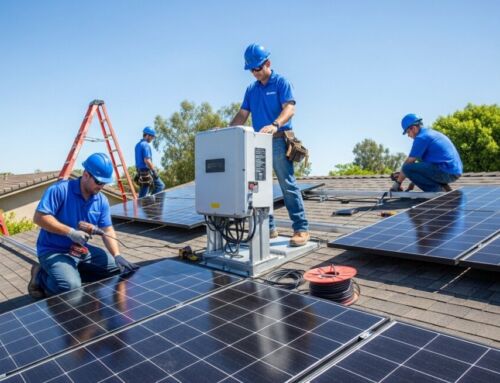
Installing solar panels is not as complicated as it sounds. A professional installer handles nearly everything from start to finish. The process typically takes one to three days for the physical installation, though permitting and approvals can add a few weeks.
- Home energy assessment , An installer reviews your past utility bills and inspects your roof to estimate how many panels you need and where they should go.
- System design , Using the assessment data, the installer creates a custom layout that maximizes sunlight exposure and fits your roof’s dimensions.
- Permits and approvals , The installer handles all paperwork, including building permits, utility interconnection applications, and incentive enrollment.
- Panel installation , Mounting hardware is attached to your roof, panels are secured in place, and wiring connects the system to your home’s electrical panel.
- System activation , Once inspections pass and the utility gives final approval, your system is turned on and starts producing electricity immediately.
Speaking with experienced installers can help you determine the best solar solution for your home. Compare solar quotes here or call to explore available options.
Signs Your Home May Be Ideal for Solar
Not every home is a perfect candidate for solar, but many are. The best indicators include strong sunlight exposure, high electricity bills, and suitable roof space. If your roof faces south, west, or east and receives direct sunlight for most of the day, you are already in a great position.
Here are signs your home is ready for solar panels:
- Strong sunlight exposure , Your roof gets at least four to five hours of direct sunlight daily, with minimal shading from trees or nearby buildings.
- High electricity bills , You pay $100 or more per month on electricity, meaning your potential savings are significant.
- Suitable roof space , You have at least 300 square feet of unshaded roof area, preferably with a south-facing slope.
- Long-term home ownership plans , You plan to stay in your home for at least five to seven years, which allows you to fully benefit from the payback period.
- Good roof condition , Your roof is in good shape and will not need replacement in the next 10,15 years.
- Local incentives available , Your state or utility offers rebates, tax credits, or net metering programs that reduce costs and speed up payback.
What Affects Solar Installation Costs
The cost of a solar system varies widely based on several factors. System size is the biggest driver , a typical home needs a 6 to 10 kilowatt (kW) system, with prices ranging from $15,000 to $30,000 before incentives. Equipment quality also matters , premium panels and inverters cost more but often come with better warranties and higher efficiency.
Installation complexity can raise costs too. A simple asphalt shingle roof with easy attic access is cheaper to work with than a tile roof or a complex multi-story layout. Local incentives can dramatically lower your out-of-pocket expense , the federal Investment Tax Credit (ITC) currently covers 30% of the total system cost, and many states offer additional rebates or performance-based incentives.
The cost of solar installation varies depending on your home and energy needs. Request personalized solar quotes or call to see what options are available.
Tips for Choosing a Reliable Solar Installer
Your installer makes or breaks your solar experience. A trustworthy professional designs a system that meets your needs, handles permits correctly, and provides ongoing support. Spend time vetting potential installers before signing a contract.
Here are practical tips for finding the right installer:
- Review installer experience , Look for companies with at least three to five years of solar installation experience and a proven track record in your area.
- Check warranties , Ensure the installer offers a workmanship warranty (5,10 years is standard) and that equipment comes with manufacturer warranties (25 years for panels, 10,12 years for inverters).
- Read customer reviews , Check platforms like Google Reviews, Yelp, and Better Business Bureau to see how past customers rate the installer’s communication, quality, and follow-up.
- Compare multiple quotes , Get at least three quotes from different installers. This helps you compare pricing, equipment options, and financing terms side by side.
- Verify licenses and insurance , Make sure the installer holds a valid contractor’s license in your state and carries general liability and workers’ compensation insurance.
- Ask about monitoring , Confirm that the system includes monitoring software so you can track your energy production and catch issues early.
Long-Term Benefits of Installing Solar Panels
The most immediate benefit is lower electricity bills. Once your system is paid off, your monthly electric costs drop dramatically , often to just a small connection fee. Over the life of a 25-year system, that can add up to tens of thousands of dollars in savings, especially as utility rates continue to rise.
Solar panels also increase your home’s resale value. Studies show that homes with solar panels sell for 4,6% more than comparable homes without them. Buyers recognize the value of reduced energy costs, making your property more attractive. On top of that, you gain energy independence , you produce your own power and are less affected by grid outages or rate hikes. And of course, you reduce your environmental impact by cutting greenhouse gas emissions.
Frequently Asked Questions
What is the average solar payback period in the United States?
The average solar payback period in the U.S. is between six and ten years. This varies based on your location, electricity rates, system size, and available incentives. States with high electricity costs and strong incentives, like California or Massachusetts, often see shorter payback periods.
How do I calculate my solar payback period?
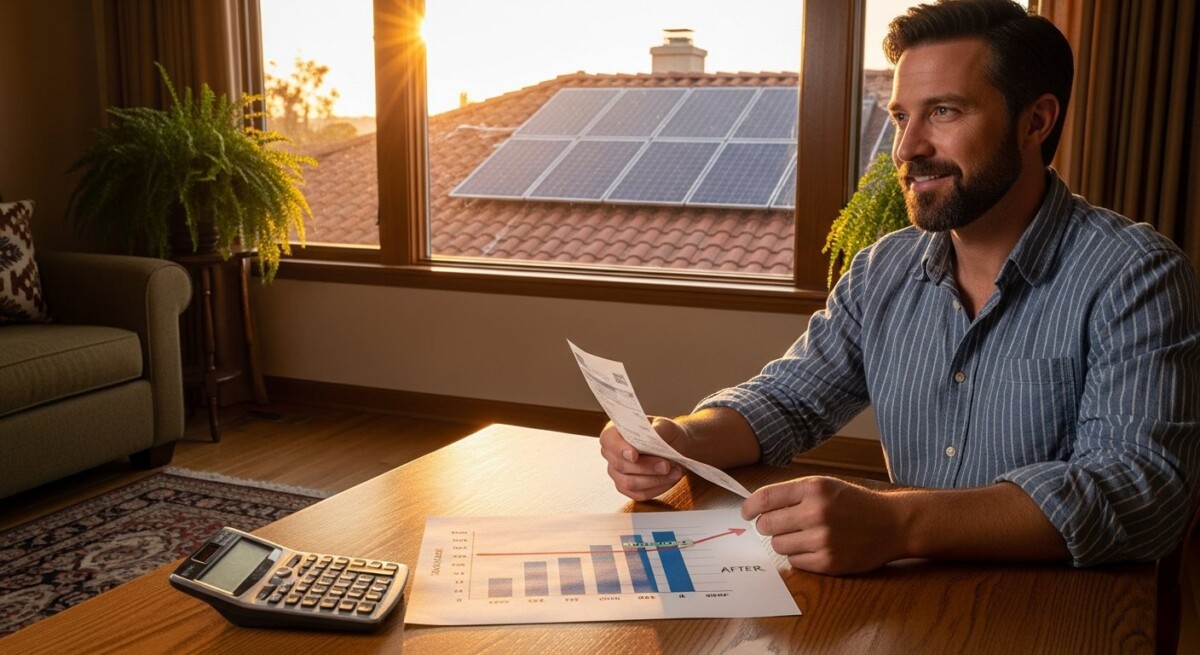
To calculate your payback period, divide the total net cost of your solar system (after incentives) by your annual electricity savings. For example, if your system costs $12,000 after incentives and you save $1,500 per year on electricity, your payback period is eight years.
Does solar payback period include the 30% federal tax credit?
Yes, the federal Investment Tax Credit (ITC) reduces your upfront cost by 30%, which directly shortens your payback period. When calculating payback, always subtract the tax credit and any state or local rebates from the total installation cost.
What happens if I sell my home before the payback period ends?
Selling before the payback period ends is still beneficial. Solar panels increase your home’s resale value, and you can often recoup your remaining investment through a higher sale price. Many buyers are willing to pay a premium for a home with low or predictable energy costs.
Can I install solar panels myself to reduce the payback period?
DIY solar installation is risky and often not recommended. Improper installation can void equipment warranties, create safety hazards, and disqualify you from incentives. Professional installers ensure the system meets building codes, connects safely to the grid, and qualifies for rebates.
How does net metering affect my solar payback period?
Net metering credits you for excess electricity your panels send back to the grid, reducing your bills further. In states with full-retail net metering, your payback period can be two to three years shorter than in states with less favorable policies.
What maintenance do solar panels need to maintain their payback schedule?
Solar panels require very little maintenance , typically just occasional cleaning and annual inspections. Keeping panels free of debris and snow ensures they produce at peak efficiency, which helps you reach your payback period on schedule.
Do solar panels work on cloudy days?
Yes, solar panels still produce electricity on cloudy days, though at reduced output , typically 10,25% of their rated capacity. Modern panels are designed to capture diffuse sunlight, so your system continues generating power even during overcast weather.
Understanding what is solar payback period is the first step toward making a smart energy investment. By comparing quotes from multiple installers, you can find a system that fits your budget and starts saving you money sooner. Take the next step today and explore your solar options with confidence.